


Are you ready to upgrade your kitchen with a new microwave dish but don’t know where to start? Installing a kitchen microwave dish might sound tricky, but with the right steps, you can do it yourself quickly and safely.
Imagine saving time and money by handling this project on your own. In this guide, you’ll find simple instructions that anyone can follow, even if you’re not a DIY expert. Keep reading, and by the end, you’ll have your microwave dish installed perfectly, making your kitchen more functional and stylish.
Let’s get started!
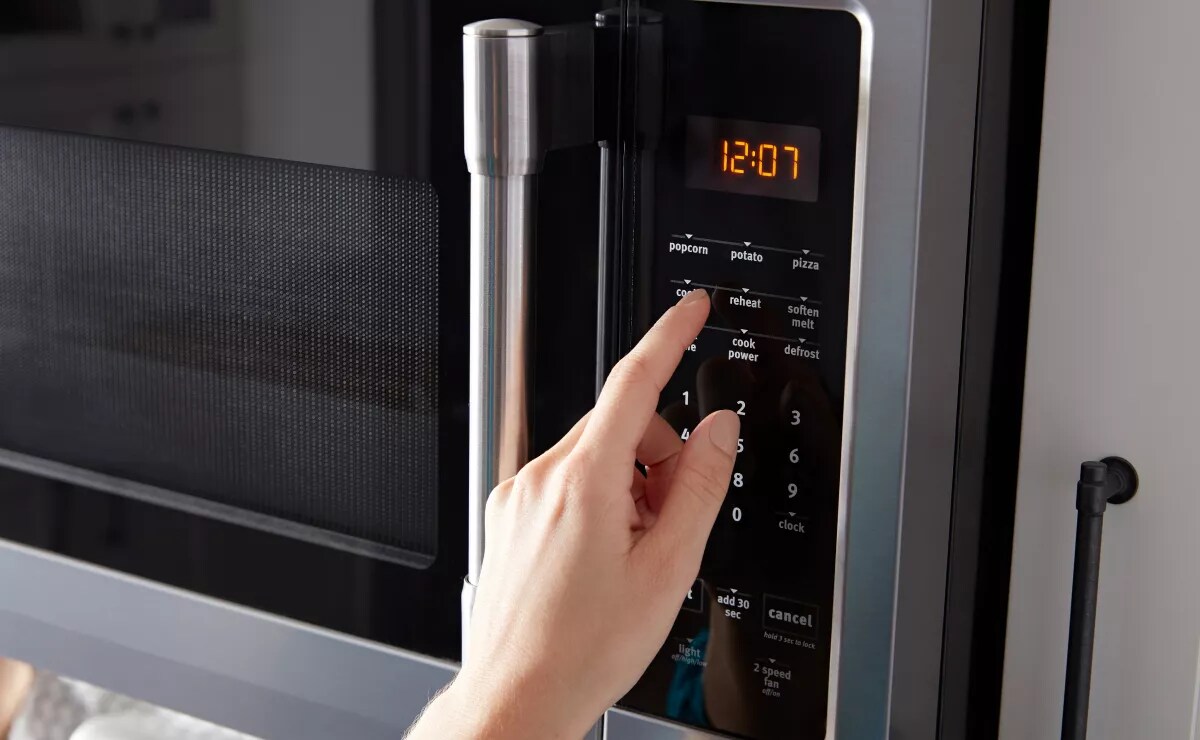
Credit: www.maytag.com
Choosing The Right Microwave Dish
Choosing the right microwave dish is key to efficient cooking and easy cleaning. The dish must fit your microwave and match your cooking needs. Picking the best type, material, and size helps improve your kitchen experience. This section guides you through these choices.
Types Of Microwave Dishes
Microwave dishes come in various shapes and designs. Round dishes are the most common and rotate well inside the microwave. Square or rectangular dishes fit better in some microwaves and save space. Some dishes have lids to keep food moist and prevent splatters. Choose a type that suits your microwave and cooking style.
Material Options
Microwave dishes are made from different materials. Glass dishes heat food evenly and are easy to clean. Ceramic dishes also work well and come in many designs. Plastic dishes are lightweight but must be microwave-safe to avoid melting. Silicone dishes are flexible and good for steaming. Avoid metal dishes as they can cause sparks and damage the microwave.
Size Considerations
The dish size must fit comfortably inside your microwave. Too large dishes block rotation and cause uneven cooking. Small dishes may not hold enough food for your needs. Measure your microwave’s interior before choosing a dish. Also, consider the amount of food you usually cook. Choose a dish size that matches your meal portions and microwave space.

Credit: shopping.yahoo.com
Preparing Your Kitchen Space
Preparing your kitchen space is essential before installing a microwave dish. It helps avoid mistakes and ensures a smooth setup. A well-prepared area gives enough room for the microwave and safe access to power. Taking time here saves effort later.
Measuring The Installation Area
Start by measuring the space where the microwave will go. Use a tape measure to get the width, height, and depth. Check if the microwave fits without blocking cabinets or doors. Leave some extra space for ventilation to keep the microwave cool.
Clearing The Workspace
Remove all items from the installation area. Clear countertops and shelves near the spot. This prevents accidents and makes room for tools and the microwave. A clean workspace helps you focus and work faster.
Checking Power Supply
Locate the nearest power outlet for the microwave. Make sure it matches the microwave’s plug type. Confirm the outlet is grounded and can handle the microwave’s power needs. Avoid using extension cords to reduce fire risk.
Gathering Necessary Tools
Gather all tools like a drill, screwdriver, measuring tape, and level before starting. Having everything ready makes the installation smooth and quick. Check that all tools are in good working condition to avoid delays.
Gathering the necessary tools is crucial for installing a kitchen microwave dish. It ensures a smooth and efficient installation process. Before diving into the task, make sure you have everything ready. This preparation saves time and minimizes interruptions.
Essential Tools List
Start by collecting basic hand tools. A screwdriver set is essential. Both Phillips and flathead types are needed. A measuring tape helps in getting accurate dimensions. A level ensures the microwave dish is aligned correctly. Having a pencil is useful for marking positions. A drill with various bit sizes is also important. This will help in making any necessary holes.
- Screwdriver Set (Phillips and Flathead)
- Measuring Tape
- Level
- Pencil
- Drill with Bits
Safety Equipment
Prioritize safety by wearing the right gear. Safety goggles protect your eyes from dust. Gloves keep your hands safe from sharp edges. Use a dust mask if drilling into walls. Ensure the area is well-lit. This helps in avoiding accidents. Clear the workspace of any obstructions. A clutter-free area reduces risks.
- Safety Goggles
- Work Gloves
- Dust Mask
- Good Lighting
Having these tools and equipment ready sets you up for success. It makes the installation process straightforward and safe.
Step-by-step Installation Process
Installing a kitchen microwave dish can seem tough. Breaking it down into clear steps makes it easier. Follow this simple guide to place, secure, connect, and test your microwave dish correctly.
Positioning The Microwave Dish
Find a spot with a clear line of sight to the satellite. Avoid walls or metal objects blocking the signal. The dish should be high enough to avoid obstructions. Use a level to keep the dish straight.
Securing Mounting Brackets
Attach the mounting brackets firmly to a sturdy surface. Use a drill and screws designed for your wall type. Check the brackets are stable and do not move. Tighten all bolts to keep the dish secure.
Connecting Power
Plug the microwave dish’s power cable into a nearby outlet. Use a surge protector for safety. Ensure cables are not stretched or tangled. Keep cables away from water or heat sources.
Testing The Setup
Turn on the microwave dish and receiver. Check for a strong signal on your TV or device. Adjust the dish angle slightly to improve signal strength. Confirm the picture is clear and stable.
Troubleshooting Common Issues
Facing issues with your kitchen microwave dish can be frustrating, especially when you expect it to work smoothly after installation. Troubleshooting these common problems can save you time and avoid unnecessary service calls. Let’s look at some straightforward ways to fix typical issues and keep your microwave dish running perfectly.
Dish Alignment Problems
One of the most frequent issues is the microwave dish not spinning properly or getting stuck. This usually happens when the dish is not seated correctly on the turntable support or the roller ring underneath.
Check if the dish is centered and sits flat on the support ring. If the roller ring is dirty or damaged, clean it gently or replace it if needed. Sometimes, even a small crumb or debris can cause the dish to wobble or stop spinning.
Have you ever noticed uneven heating in your microwave? Misalignment can cause this because the food isn’t rotating evenly. Adjusting the dish placement often fixes this problem immediately.
Power And Connectivity Errors
Microwave dishes rely on the motor and electrical connections to function properly. If your dish won’t turn or the microwave shows error messages, the issue could be power-related.
Start by unplugging the microwave and plugging it back in to reset the system. If the problem persists, check if the motor that drives the turntable is working. A humming sound without rotation often means the motor is stuck or faulty.
Inspect the wiring connections if you feel comfortable doing so; loose wires can interrupt power flow. If you’re unsure about handling electrical parts, it’s safer to call a professional. Remember, ignoring power issues can lead to bigger repairs later.
Maintenance Tips
Keeping your microwave dish clean and well-maintained prevents many common problems. Regularly remove the dish and roller ring to wash them with warm, soapy water.
Wipe the inside of the microwave to remove spills and food particles that can cause odors or interfere with dish rotation. Lubricate the turntable motor shaft lightly if it starts to squeak or slows down.
Have you set a reminder to check your microwave’s components? Simple maintenance every few months can extend the life of your microwave and keep your kitchen running smoothly.
Enhancing Microwave Dish Performance
Enhancing your microwave dish’s performance ensures better cooking results. Small habits impact the dish’s longevity and efficiency. Following simple practices helps maintain even heating and clean surfaces.
Proper Cleaning Techniques
Clean the microwave dish after every use. Use warm water and mild soap to avoid damage. Avoid abrasive sponges that can scratch the surface. For tough stains, soak the dish before cleaning. Dry the dish completely to prevent water spots.
Using Microwave-safe Cookware
Always choose cookware labeled microwave-safe. Materials like glass, ceramic, and certain plastics work best. Avoid metal or dishes with metallic paint. Use covers to reduce splatter and retain moisture. This keeps the microwave dish cleaner for longer.
Optimizing Cooking Settings
Adjust power levels for different foods to avoid overcooking. Use the timer correctly to prevent overheating. Stir food halfway through cooking for even heat. Let food rest in the microwave after cooking to finish heating. These tips protect the dish and improve meal quality.
Credit: www.maytag.com
Frequently Asked Questions
How Do I Install A Kitchen Microwave Dish Properly?
To install a kitchen microwave dish, place it on the turntable spindle. Ensure it fits securely and rotates smoothly. Follow your microwave’s manual for specific instructions to avoid damage or improper use.
What Tools Are Needed To Install A Microwave Dish?
Most microwave dishes require no tools for installation. Simply place the dish on the turntable hub inside the microwave. If you need to replace parts, a screwdriver may help, but usually, no special tools are necessary.
Can I Use Any Dish In My Microwave?
Only use microwave-safe dishes designed for microwaves. Using non-microwave-safe dishes can cause damage or uneven heating. Always check the manufacturer’s guidelines for compatible dishes to ensure safety and efficiency.
Why Is My Microwave Dish Not Rotating?
The dish may not rotate if the turntable motor or spindle is broken. Check if the dish is properly seated on the spindle. If still not rotating, the motor might need repair or replacement.
Conclusion
Installing a kitchen microwave dish is easier than it seems. Follow each step carefully for a safe setup. Double-check all connections before use. This ensures your microwave works well and lasts longer. Take your time and don’t rush the process.
A properly installed microwave adds convenience to your kitchen. Enjoy quick meals and easy cleanups every day. Simple tools and clear instructions make the job smooth. Now, you can confidently install your microwave dish yourself.


