


Are you thinking about upgrading your kitchen sink but feel overwhelmed by all the options? Understanding what a standard size single bowl kitchen sink is can make your choice much easier.
This simple yet versatile sink fits most kitchens perfectly, giving you plenty of space for washing dishes or prepping meals without taking up too much counter space. Keep reading to discover why this sink might be exactly what your kitchen needs and how it can make your daily tasks smoother and more efficient.
Single Bowl Sink Basics
A standard size single bowl kitchen sink offers a simple, practical design. It features one large basin for washing dishes, pots, and pans. This type of sink fits well in many kitchens, especially those with limited space. It provides ample room for cleaning tasks without extra compartments.
Single bowl sinks come in various styles and materials. They blend easily with different kitchen designs. Understanding their basic features helps choose the right sink for any kitchen setup.
Design Features
- One large, deep basin for easy washing
- Simple shape, usually rectangular or square
- Allows for washing large items like baking sheets
- Less divider means more space inside the sink
- Supports various mounting styles: drop-in, undermount, or flush mount
- Usually includes one drain opening
Common Materials
- Stainless Steel:Durable, easy to clean, and resists stains
- Cast Iron:Coated with enamel, strong and classic-looking
- Composite Granite:Scratch-resistant and available in many colors
- Acrylic:Lightweight and affordable, but less heat-resistant
- Ceramic:Smooth, glossy surface, but can chip easily
Credit: carysil.com
Standard Size Dimensions
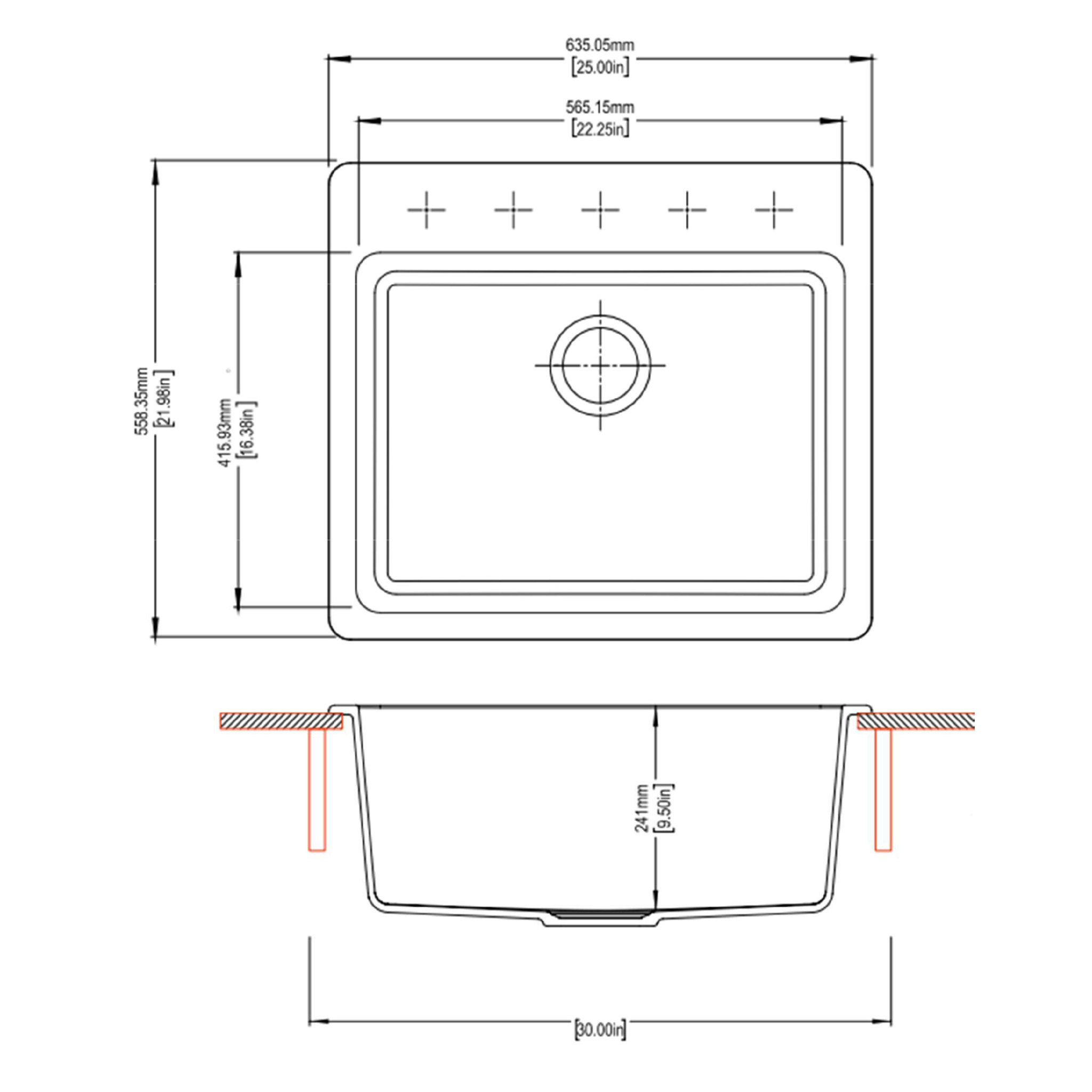
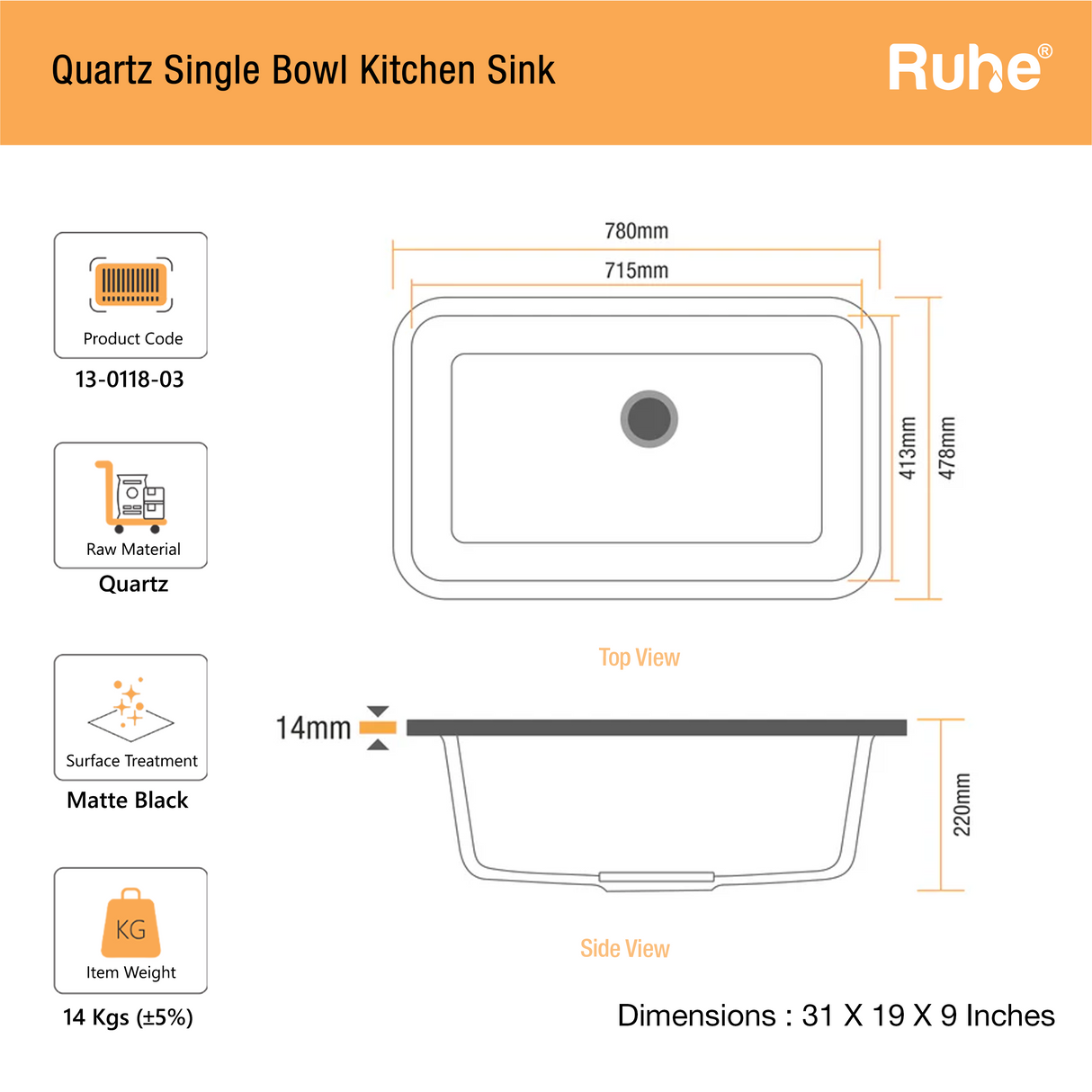
Understanding the standard size dimensions of a single bowl kitchen sink can help you choose one that fits perfectly in your kitchen space. These dimensions influence not just the look but also the functionality of your sink. Let’s break down what you need to know about the width, length, and depth to make an informed decision.
Typical Width And Length
The width and length of a standard single bowl kitchen sink usually range between 22 to 33 inches. Most commonly, you’ll find sinks around 25 to 30 inches wide, which fits comfortably into most kitchen countertops without overcrowding the space.
Remember, the size you pick affects how much workspace you have around the sink, so consider the layout of your kitchen carefully. If you’ve ever tried washing large pots or trays, you’ll appreciate a wider sink that offers more room to maneuver.
Depth Variations
Depth is where sinks really differ and it directly impacts how much you can fit inside. Standard depths often range from 8 to 10 inches, but some sinks go even deeper, reaching up to 12 inches or more.
Choosing a deeper sink can be a game-changer if you frequently handle big pots or bakeware. On the other hand, a shallower sink might be easier on your back during long dishwashing sessions. What depth feels right for your kitchen routine?
Benefits Of Single Bowl Sinks
Single bowl kitchen sinks offer many benefits that suit various kitchen needs. They provide a simple, practical design that fits well in most spaces. The large, uninterrupted basin makes tasks easier and more efficient. Below are key benefits of choosing a single bowl sink.
Space Efficiency
Single bowl sinks use space wisely. Their large basin fits into smaller countertops. This leaves more room for food prep or other kitchen tools. They fit well in compact kitchens or busy work areas. The design helps keep the kitchen organized and less cluttered.
Ease Of Cleaning
Cleaning single bowl sinks is quick and easy. Without divider walls, there are fewer corners to scrub. Large basin space makes washing big pots and pans simple. Dirt and grime don’t get trapped in tight spaces. This design saves time and keeps the sink hygienic.
Installation Types
A standard size single bowl kitchen sink fits most countertops easily. It offers a simple, spacious basin for washing dishes or food prep. This sink type suits various installation styles like top-mount or under-mount.
Choosing the right installation type for your single bowl kitchen sink can significantly impact both the aesthetics and functionality of your kitchen. Whether you are planning a kitchen makeover or setting up a new space, understanding different installation types is crucial. Each option has its own set of benefits and installation quirks that can align with your preferences and lifestyle.
Top Mount
The top mount, often referred to as a drop-in sink, is one of the most common installation types. Its rim sits on top of the countertop, making it straightforward to install. Many homeowners appreciate its simplicity and versatility, especially during a quick kitchen update. With a top mount sink, you can easily replace it without disturbing your existing countertop. This option is particularly handy if you love refreshing your kitchen’s look without diving into major renovations. However, be mindful that the rim can sometimes catch grime, requiring more frequent cleaning.
Undermount
An undermount sink offers a sleek and modern appearance by attaching beneath the countertop. This seamless design makes cleaning up a breeze, as crumbs and spills can be wiped directly into the sink without any obstacles. Imagine having a countertop that flows effortlessly into your sink without any lip or rim in the way. While the installation of an undermount sink is more complex, it often results in a high-end look that many homeowners desire. It’s important to ensure your countertop material is suitable for this installation type, as the sink’s weight and moisture exposure can affect the surface. Do you envision your kitchen as a clean and contemporary space? If so, an undermount sink might be the perfect choice for you.
Choosing The Right Size
A standard size single bowl kitchen sink usually measures around 22 by 30 inches. This size fits most countertops and offers enough space for daily kitchen tasks. Choosing the right size helps ensure comfort and efficiency while working in the kitchen.
Choosing the right size for your kitchen sink can transform your space. A single bowl sink offers simplicity and functionality. But selecting the right size is crucial. It ensures the sink fits well and meets your needs. Let’s explore how to choose the perfect size.
Measuring Your Countertop
Start by measuring your countertop space. Use a tape measure for accuracy. Measure the width and depth of the space. Note any obstructions like cabinets or pipes. This helps avoid fitting issues. Ensure the sink fits without cramping the counter. Proper measurements prevent costly mistakes.
Matching Your Kitchen Needs
Consider your kitchen habits. Do you often wash large pots? A bigger sink might be needed. If space is tight, a compact sink might suit you. Think about your daily tasks. A sink should support your routine, not hinder it. Balance size with functionality for best results.

Credit: www.amazon.in
Popular Materials Compared
Choosing the right material for your standard size single bowl kitchen sink affects both its look and performance. Each material offers unique benefits and drawbacks that can influence your daily kitchen routine and long-term satisfaction. Understanding these options helps you make a choice that fits your style and needs.
Stainless Steel
Stainless steel sinks are a popular choice because they are durable and easy to clean. They resist stains, rust, and heat, making them a practical option for busy kitchens. However, they can show water spots and scratches, so regular wiping helps keep them shiny.
If you like a modern, sleek look, stainless steel blends well with most kitchen styles. Its lightweight nature also makes installation easier, especially in remodels.
Composite Granite
Composite granite sinks offer a stone-like appearance without the high cost or weight of natural stone. They are made from crushed granite mixed with resin, making them resistant to scratches and chips. You’ll find them in various colors to match your countertop or cabinets.
One thing to remember is that composite granite can be sensitive to harsh chemicals, so gentle cleaning products are best. If you want a sink that adds a touch of luxury but stays practical, this material might fit your kitchen perfectly.
Fireclay
Fireclay sinks are crafted by molding clay and firing it at high temperatures, resulting in a smooth, durable surface. They resist heat, scratches, and stains, and their glossy finish adds a classic, timeless feel to any kitchen. Cleaning is straightforward since food and grime don’t stick easily.
These sinks tend to be heavier and might require reinforced cabinetry. If you’re aiming for a farmhouse or traditional kitchen style, fireclay can be a stunning centerpiece that lasts for years.
Maintenance Tips
Proper maintenance keeps a standard size single bowl kitchen sink in top shape. Regular care prevents stains, scratches, and odors. This extends the sink’s life and keeps it looking new.
Follow simple cleaning and protection steps daily. These tips help maintain a clean and functional kitchen sink.
Daily Cleaning
Rinse the sink with warm water after each use. Use mild dish soap and a soft sponge to clean the surface. Avoid harsh chemicals or abrasive pads that can scratch the sink.
Dry the sink with a soft cloth to prevent water spots. Remove food particles promptly to avoid stains and odors. Regular cleaning stops buildup of grime and bacteria.
Preventing Damage
Do not leave acidic or harsh substances on the sink surface. Use a sink grid or mat to protect the bottom from heavy pots and pans. Avoid dropping sharp or heavy objects into the sink.
Check for leaks and fix them early to prevent water damage. Avoid pouring grease or oil down the drain to prevent clogs. Gentle care reduces wear and keeps the sink looking good.
Design Styles And Finishes
Design styles and finishes play a big role in choosing a standard size single bowl kitchen sink. The style of the sink sets the tone for the kitchen’s look. Finishes add personality and protect the sink from damage. Together, they create a perfect blend of form and function for any kitchen space.
Modern Vs Traditional
Modern sinks have clean lines and simple shapes. They often use materials like stainless steel or composite granite. These sinks focus on minimalism and efficiency. Traditional sinks have more curves and decorative details. They come in materials like porcelain and cast iron. Traditional designs bring warmth and classic charm to kitchens. Both styles suit different kitchen themes and personal tastes.
Finish Options
Finish options affect the sink’s look and durability. Some popular finishes include:
- Brushed stainless steel – hides scratches well, gives a sleek look
- Polished stainless steel – shiny and modern but shows water spots
- Matte black – bold and trendy, hides fingerprints
- White porcelain – classic and clean, but can chip easily
- Granite composite – durable and resistant to stains and heat
Choosing the right finish depends on kitchen style and daily use. A good finish keeps the sink looking new for years.
Common Accessories
Common accessories can transform your standard size single bowl kitchen sink from a simple utility spot into a multifunctional workspace. These add-ons not only protect your sink but also improve how you use it every day. Have you ever thought about how a small accessory could save you time or prevent damage?
Sink Grids
Sink grids sit at the bottom of your sink bowl, creating a protective layer between dishes and the sink surface. They help prevent scratches and dents, especially if your sink is made of stainless steel. I’ve found that using a sink grid keeps my sink looking new and helps water drain efficiently around dishes.
Besides protection, sink grids can elevate your pots and pans, allowing water to flow underneath for better drying. They are easy to remove and clean, making maintenance simple. Wouldn’t you agree that keeping your sink scratch-free is worth a small investment?
Strainers And Disposal Flanges
Strainers are essential to catch food particles, preventing clogs in your plumbing. A good strainer fits snugly in your drain and is easy to remove for cleaning. Disposal flanges connect your sink to a garbage disposal unit, creating a secure and leak-proof seal.
Choosing the right strainer or flange means less hassle with blocked drains and leaks. In my experience, a high-quality strainer can save you from frequent plumbing calls. What’s more frustrating than a clogged sink right in the middle of cooking?
Credit: ruheindia.com
Frequently Asked Questions
What Is The Standard Size Of A Single Bowl Kitchen Sink?
The standard size of a single bowl kitchen sink typically measures 22 inches by 24 inches. Depth varies but commonly ranges from 8 to 10 inches. This size fits most kitchen countertops and offers ample space for washing dishes and food prep.
How Deep Is A Standard Single Bowl Kitchen Sink?
Standard single bowl kitchen sinks usually have a depth between 8 and 10 inches. This depth allows for comfortable washing and soaking of large pots and pans. Deeper bowls help prevent water splashing and improve overall kitchen functionality.
What Materials Are Common For Single Bowl Sinks?
Single bowl kitchen sinks commonly come in stainless steel, porcelain, granite composite, and cast iron. Stainless steel is durable and affordable, while granite composite offers strong resistance to scratches. Choosing material depends on style, budget, and maintenance preferences.
Can A Single Bowl Sink Fit Small Kitchens?
Yes, single bowl sinks are ideal for small kitchens due to their compact size. They save countertop space while providing sufficient washing area. This makes them perfect for apartments or kitchens with limited counter and cabinet space.
Conclusion
A standard size single bowl kitchen sink fits most kitchens well. It offers enough space for washing dishes and preparing food. Choosing the right size helps keep your kitchen organized and functional. Simple design meets everyday needs without taking too much space.
This sink type suits many kitchen styles and budgets. Easy to clean and maintain, it stays useful for years. A good sink makes kitchen tasks easier and more pleasant. Consider your space and needs to pick the best option.


