


Have you ever wondered who invented the kitchen blender that makes your smoothies, soups, and sauces so easy to prepare? This simple device has transformed the way you cook and eat every day.
But behind that powerful motor and sharp blades lies an interesting story you might not know. Understanding who created the blender can give you a fresh appreciation for this kitchen hero—and maybe even inspire your next culinary adventure. Keep reading, and you’ll discover the surprising origins of the kitchen blender and how it became a staple in your home.
Credit: medium.com
Early Food Mixing Tools
Before the kitchen blender became common, people used simple tools to mix and prepare food. These early food mixing tools helped with basic tasks like stirring, chopping, and blending. The tools were mostly manual and required physical effort. They laid the groundwork for modern kitchen appliances.
Manual Blenders Before Electricity
Manual blenders were basic devices operated by hand. They often had a handle connected to blades or beaters. Users turned the handle to mix ingredients. Some tools looked like large whisks or hand-cranked beaters. These tools made mixing faster than stirring by hand but still needed effort.
Limitations Of Traditional Tools
Traditional tools had many limits. They took time and strength to use. Mixing thick or large amounts of food was hard. The blades were not very sharp or fast. This caused uneven mixing and longer preparation times. Safety was also a concern due to exposed sharp parts.
The Birth Of The Electric Blender
The birth of the electric blender marked a significant shift in how people prepared food and drinks at home and in commercial settings. Before its invention, mixing ingredients was a manual, time-consuming task. The electric blender introduced a faster, more efficient way to blend, crush, and mix, changing kitchens forever.
Invention By Stephen Poplawski
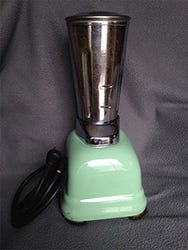
Stephen Poplawski is credited with inventing the first electric blender in the early 1920s. He designed it primarily to mix soda fountain drinks, making it easier for soda jerks to create milkshakes and other beverages quickly.
Poplawski’s invention was not just a new gadget; it was a response to a real need in the food service industry. His blender featured a motorized blade at the bottom of a container, a concept that remains central to blender design today.
Design And Features Of The First Blender
The first blender had a simple yet effective design. It included:
- A motor housed in the base, powering the blades
- A glass container that held ingredients
- Blades positioned at the bottom to chop and mix efficiently
This design allowed for quick blending of liquids and soft ingredients, making it ideal for milkshakes and cocktails. The blender’s straightforward mechanics made it easy to use and clean, which helped it gain popularity.
Have you ever stopped to think about how this early design influences the blender you use today? The core idea remains the same, proving that a simple, well-thought-out invention can stand the test of time.
Innovations By Fred Osius
Fred Osius, an American inventor, played a pivotal role in the evolution of the kitchen blender. Known for his engineering prowess, Osius took an existing idea and transformed it. His contributions were crucial in making blenders a household staple.
Improvements On Poplawski’s Design
Fred Osius saw potential in Stephen Poplawski’s initial blender design. He aimed to enhance its functionality and reliability. Osius focused on improving the motor and blending capabilities. These changes made the blender more efficient and versatile. He added features to blend ingredients more smoothly. His modifications made the blender quieter during use. This made it more appealing for home kitchens.
Founding The Waring Corporation
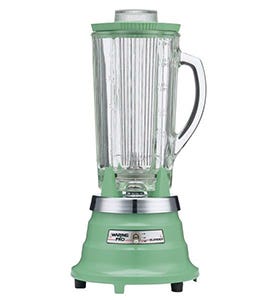
Fred Osius needed financial backing to bring his improved blender to market. He partnered with Fred Waring, a popular musician and bandleader. Together, they founded the Waring Corporation. This partnership was key to the blender’s success. Waring’s influence helped market the blender effectively. The Waring Blender became a trusted name in households. It set a standard for future kitchen appliances. Today, the Waring brand is synonymous with quality blenders.

Credit: www.cocktail-extravaganza.com
Impact On Kitchen Appliances
The invention of the kitchen blender brought a new era to kitchen appliances. It made food preparation faster and easier. This device changed how people cook and enjoy meals. The blender’s impact reaches beyond just mixing ingredients. It shaped the design and function of many kitchen tools. Its influence is clear in homes and professional kitchens alike.
Popularity In Home Kitchens
Blenders quickly became a staple in many households. They offered a simple way to make smoothies, soups, and sauces. Families appreciated their speed and convenience. Blenders helped save time on chopping and mixing. This made cooking more accessible for busy people. The appliance’s ease of use also attracted beginners in cooking. Its presence grew in kitchens around the world.
Influence On Modern Blenders
Modern blenders owe much to the original design. Manufacturers improved motor power and blade sharpness. New models include features like multiple speed settings and timers. Safety measures became a key focus in development. The shape and materials evolved for better durability and cleaning. Technology added smart controls and noise reduction. These changes enhanced user experience and performance. The blender’s evolution reflects ongoing innovation in kitchen tools.
Blender Evolution Over Time
The kitchen blender has come a long way since its invention, evolving to meet the changing needs of home cooks and professionals alike. Its journey reflects advancements in technology and shifts in lifestyle, making it a staple appliance today. Understanding this evolution can help you appreciate the blender’s role in your kitchen and choose the right one for your needs.
Technological Advancements
Early blenders were simple machines with limited speed settings and basic blades. Over time, manufacturers improved motor power, allowing blenders to crush ice and blend tougher ingredients with ease.
Today’s blenders often feature multiple speed options, pulse functions, and even pre-programmed settings for smoothies, soups, and sauces. Some models include smart technology, enabling you to control blending via smartphone apps for precise results.
Have you ever noticed how quieter motors make your kitchen experience more pleasant? Noise reduction became a key focus in recent models, showing how user comfort influences design.
Variety Of Blender Types Today
Blenders now come in many forms, each suited for different tasks. Countertop blenders remain popular for their power and capacity, perfect for making large batches.
Personal or single-serve blenders offer convenience for quick smoothies and shakes, especially if you’re always on the go. Immersion blenders give you the ability to blend directly in pots or bowls, saving time and reducing cleanup.
- High-performance blenders:Designed for professional use or serious home chefs.
- Portable blenders:Rechargeable and compact, ideal for travel.
- Food processor-blender hybrids:Combine chopping and blending functions for versatile kitchen tasks.
Which type fits your lifestyle best? Choosing the right blender can make your cooking more efficient and enjoyable.
Legacy Of The Kitchen Blender
The legacy of the kitchen blender goes far beyond its simple design. This appliance has quietly transformed the way we prepare food and enjoy meals every day. Understanding its impact helps you appreciate how a single invention can shape culinary habits and culture.
Contributions To Culinary Arts
The kitchen blender made blending, pureeing, and mixing quick and easy. Chefs and home cooks alike found new ways to create smooth soups, creamy sauces, and fresh smoothies without much effort.
Think about how many recipes now rely on the blender for texture and consistency. It enabled experimentation with ingredients, encouraging healthier and more diverse cooking styles.
Have you ever tried making your own nut butter or fresh salsa at home? Chances are, your blender made that possible, saving you money and giving you control over what goes into your food.
Blender In Popular Culture
The kitchen blender has also found its place in popular culture. From TV cooking shows to viral social media videos, it’s a symbol of creativity and convenience.
Remember the iconic scenes where chefs toss ingredients into a blender and create instant magic? These moments highlight the blender’s role as a kitchen essential.
Moreover, the blender’s presence in countless commercials and memes shows how deeply it’s embedded in everyday life. What favorite blender moment has stuck with you?
Credit: medium.com
Frequently Asked Questions
Who Invented The Kitchen Blender?
Stephen Poplawski is credited with inventing the kitchen blender in 1922. He designed it to make soda fountain drinks and smoothies. His innovation helped revolutionize food preparation in homes and restaurants by blending ingredients quickly and efficiently.
When Was The First Blender Created?
The first blender was created in 1922 by Stephen Poplawski. It was designed to mix milkshakes and other beverages. This invention laid the foundation for modern kitchen blenders used worldwide today.
How Did The Blender Impact Kitchen Appliances?
The blender transformed kitchen appliances by introducing fast, efficient food blending. It replaced manual mixing and improved cooking convenience. This innovation influenced the design of many multifunctional kitchen tools.
What Was The Original Purpose Of The Blender?
The blender was originally created to mix and blend soda fountain drinks. Its initial use focused on milkshakes and other beverages. This purpose expanded to food preparation over time.
Conclusion
The kitchen blender changed how people prepare food at home. Stephen Poplawski invented the first blender in the early 20th century. His design helped mix drinks and soups quickly. Since then, many improvements made blenders more useful. Today, blenders are common in kitchens worldwide.
They save time and make cooking easier. Knowing who invented the blender shows how simple ideas can help daily life. A small invention can have a big impact. The blender remains a handy tool for many families.


