


Have you ever wondered if you can blend soups directly in your KitchenAid? Imagine turning your chunky soup into a smooth, creamy delight without extra dishes or hassle.
If you’re looking for an easy way to get that perfect texture, you’re in the right place. You’ll discover how your KitchenAid can be your secret weapon for blending soups quickly and safely. Keep reading to find out how to make your cooking easier and your soups tastier!
Credit: www.kitchenaid.com
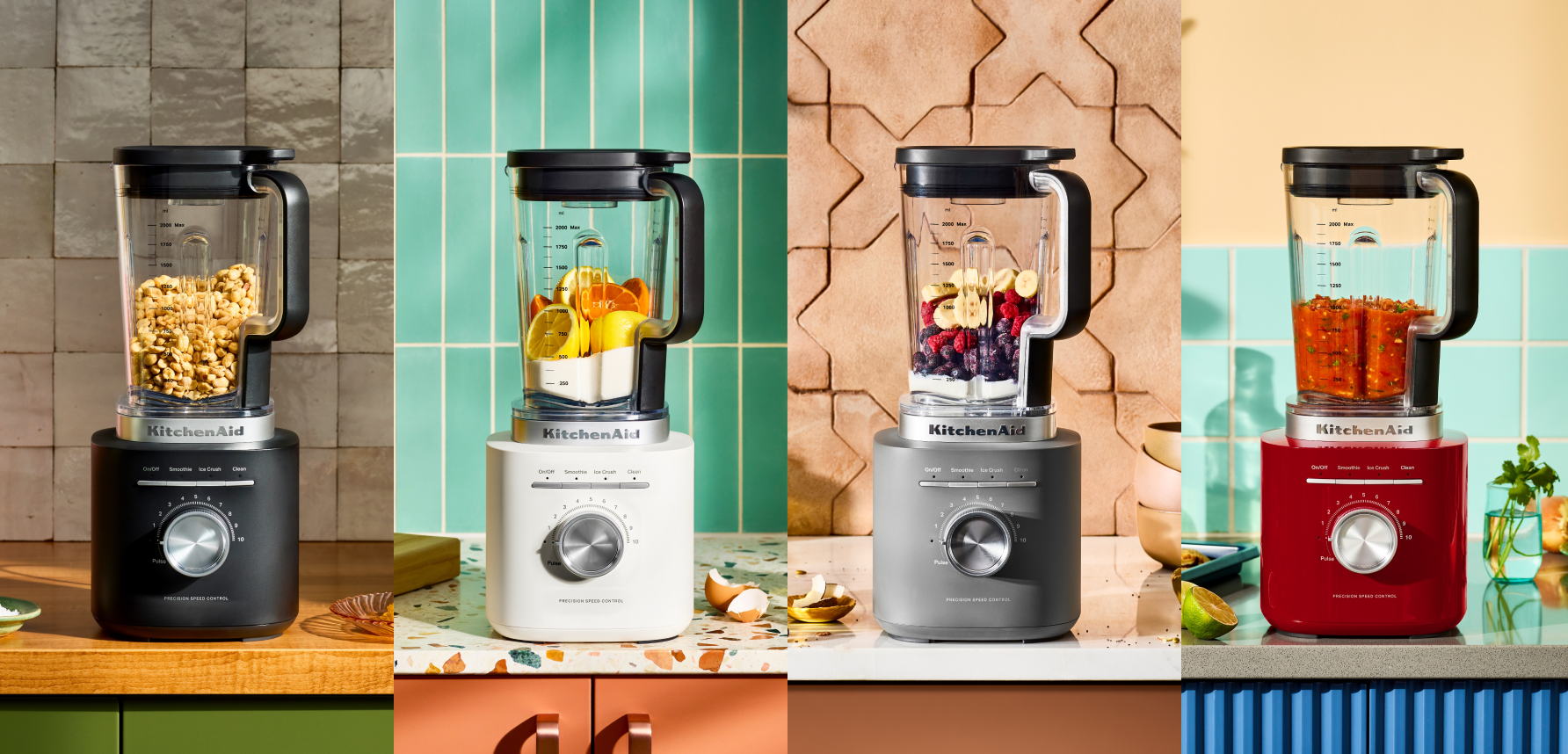
Choosing The Right Kitchenaid Blender
Choosing the right KitchenAid blender is key to making smooth, delicious soups. Not all blenders handle hot liquids well or blend thick ingredients evenly. Selecting a model with the right features ensures a safe and easy blending process. Power and size also affect how well the blender works with various soup recipes.
Kitchenaid Blender Models Suitable For Soups
Certain KitchenAid blenders are designed to handle hot and thick soups. Models with strong, durable blades and heat-resistant jars work best. Look for blenders labeled as capable of crushing ice or blending hot liquids safely.
- KitchenAid KSB1575 – Offers a sturdy pitcher and strong motor.
- KitchenAid KSB6060 – Comes with a glass jar that tolerates heat.
- KitchenAid Pro Line Series – High power and large capacity.
These models prevent leaks and cracks, making soup blending safer.
Power And Capacity Considerations
Power matters for blending thick soups smoothly. Choose blenders with motors rated at least 500 watts. Higher wattage helps break down ingredients faster and more evenly.
Capacity is important to avoid overflow. A jar size of 56 ounces or more is good for family-sized portions. Smaller jars suit single servings but may require multiple blends.
| Feature | Recommended Specification |
|---|---|
| Motor Power | 500 watts or higher |
| Jar Capacity | 56 ounces or larger |
| Jar Material | Glass or heat-resistant plastic |
Credit: www.kitchenaid.com
Preparing Soups For Blending
Soups should cool slightly before blending in a KitchenAid to avoid pressure buildup. Cut ingredients into small pieces for smooth results. Always blend in batches to protect your mixer and achieve even texture.
Preparing soups for blending involves a few key steps. These steps ensure your soup achieves the perfect texture and safety. A Kitchen Aid can make this process simple and efficient. Understanding these aspects will help you create delightful soups every time.
Ideal Soup Consistency
Before blending, your soup should have a smooth consistency. Chunky pieces can cause uneven blending. Cut vegetables and meat into smaller pieces. This helps in achieving a silky texture. Add enough liquid for a smooth blend. Soups too thick may need more broth or water. Check the consistency with a spoon. It should easily flow off.
Safe Temperature For Blending
Hot soups can be dangerous if blended incorrectly. Let the soup cool for a few minutes before blending. Warm, not boiling, is the safe temperature for blending. High heat can cause pressure build-up. This can lead to spills or burns. Use a thermometer to ensure safety. Aim for a temperature below 80°C (176°F). Always handle hot soups with care. Secure the lid tightly to prevent spills.
Blending Techniques For Smooth Soups
Blending soups in a KitchenAid mixer can create a creamy and smooth texture. Using the right techniques helps avoid lumps and uneven consistency. Proper blending also preserves flavors and improves the soup’s overall appeal. Here are key methods to blend soups effectively with your KitchenAid.
Step-by-step Blending Process
- Allow soup to cool slightly to avoid splatters.
- Pour soup into the KitchenAid blender jar, filling it halfway.
- Secure the lid tightly to prevent spills.
- Start blending at a low speed to combine ingredients gently.
- Gradually increase speed for a smoother texture.
- Stop blending and check consistency.
- Repeat blending if needed for a finer texture.
- Pour soup back into the pot and heat as desired.
Pulse Vs Continuous Blending
Pulsing blends soup in short bursts. This controls texture better and avoids over-blending. It works well for chunky soups or when you want a bit of texture.
Continuous blending runs the mixer non-stop for a smooth, uniform result. Use this for creamy soups that need no lumps. Watch closely to avoid overheating or splashing.
Both techniques have their uses depending on soup type and desired texture. Experiment to find what works best for each recipe.
Common Mistakes To Avoid
Blending soups in your KitchenAid blender can be a game-changer for smooth, creamy results. However, certain mistakes can spoil the process or even cause safety hazards. Knowing what to avoid helps you blend efficiently and safely every time.
Overfilling The Blender
Filling the blender too full is a common error that can lead to spills or uneven blending. Your KitchenAid blender needs some room for the liquid to move and mix properly.
Try to fill the jar no more than two-thirds full. Overfilling can cause the lid to pop off or hot soup to splatter, creating a mess and risking burns.
Next time you blend, ask yourself: Is there enough space for the ingredients to swirl freely? Leaving space ensures smooth blending without accidents.
Blending Hot Soups Safely
Hot soups create pressure inside the blender jar, which can be dangerous if not handled correctly. Blending hot liquids without precautions might cause the lid to blow off.
Always remove the center piece of the lid or leave the lid slightly ajar while covering it with a towel. This allows steam to escape safely.
Pour hot soup into the blender in small batches instead of all at once. This reduces pressure build-up and keeps you safe from unexpected splashes.
Cleaning And Maintenance Tips
Keeping your KitchenAid blender clean after making soups is essential for both hygiene and the longevity of your appliance. Proper cleaning and maintenance prevent buildup that can affect taste and performance. Let’s look at some easy ways to keep your blender spotless and fresh after every use.
Cleaning After Blending Soups
Right after blending, rinse the pitcher with warm water to remove most of the soup residue. Fill the pitcher halfway with warm water and add a drop of dish soap. Secure the lid and blend on low speed for 30 seconds to clean the blades and sides effectively.
After blending, rinse thoroughly to remove soap. Avoid immersing the base in water; instead, wipe it with a damp cloth. For stubborn spots, use a soft brush to scrub without scratching the pitcher.
Preventing Odors And Stains
Have you ever noticed your blender smelling like last week’s tomato soup? To prevent this, blend a mixture of water and a teaspoon of baking soda and let it sit for 10 minutes before rinsing. This neutralizes odors and keeps your blender fresh.
Brightly colored soups like carrot or beetroot can leave stains. To tackle this, rub a cut lemon inside the pitcher or soak it with a diluted vinegar solution for 15 minutes. This helps lift stains without harsh chemicals.
Remember, regular cleaning after each use is the best way to avoid buildup. What’s your go-to trick for keeping your blender fresh and clean?

Credit: www.youtube.com
Recipe Ideas For Blended Soups
Blending soups in a KitchenAid mixer opens many tasty possibilities. It makes creating smooth, creamy textures easy and fast. Here are some simple recipe ideas to try with your KitchenAid blender.
Creamy Vegetable Soups
Creamy vegetable soups taste rich and fresh. Use cooked carrots, potatoes, or cauliflower for a silky base. Blend until smooth, then season with herbs like thyme or parsley.
- Carrot and ginger soup with a touch of cream
- Cauliflower and garlic soup with a sprinkle of nutmeg
- Potato leek soup, blended until perfectly smooth
These soups are great for light meals or starters. The KitchenAid blender helps reach a smooth, velvety texture quickly.
Hearty Pureed Soups
Hearty pureed soups fill you up and warm you inside. Use beans, lentils, or squash to add body. Blend the soup to combine flavors and create a thick texture.
- Red lentil soup with cumin and coriander
- Butternut squash soup with a hint of cinnamon
- Black bean soup with a splash of lime juice
These soups are nutritious and comforting. The KitchenAid blender makes pureeing easy, ensuring a smooth consistency without lumps.
Frequently Asked Questions
Can I Blend Hot Soup In A Kitchenaid Blender?
Yes, you can blend hot soup in a KitchenAid blender. Always remove the center cap to release steam. Blend in small batches to avoid splashes and pressure build-up. Use a low speed to ensure safety and even blending.
What Kitchenaid Model Is Best For Blending Soups?
The KitchenAid KSB1575ER is ideal for blending soups. It has a powerful motor and a sturdy pitcher. The design handles hot liquids well. It offers variable speed control for smooth soup texture.
How To Avoid Splattering When Blending Soups?
To avoid splattering, remove the blender lid’s center cap. Start blending at low speed and gradually increase. Blend in small batches and hold a towel over the lid. This reduces pressure and prevents hot soup from spilling.
Can I Blend Chunky Soups With Kitchenaid?
Yes, KitchenAid blenders can handle chunky soups. Use the pulse function for controlled blending. This keeps some texture while blending ingredients. The sharp blades and motor power make it easy to customize soup consistency.
Conclusion
Blending soups in a KitchenAid is simple and effective. The appliance handles soft and cooked ingredients well. Just use the right attachment and avoid overfilling. This method saves time and effort in the kitchen. Enjoy smooth, creamy soups without extra tools.
Keep safety in mind by blending slowly. Your KitchenAid can be a handy soup blender. Try it next time for easy, tasty results.


