


If you work in a kitchen, you know how important it is to keep your equipment safe for everyone. But did you realize your toaster could hide allergens that put some people at risk?
Imagine serving breakfast and accidentally causing an allergic reaction because crumbs from previous use stayed inside. You want to protect your customers and your team, and that starts with knowing how to remove those hidden allergens from your toaster. You’ll discover simple, effective steps to clean your toaster safely and thoroughly.
Keep reading to learn how you can make your kitchen a safer place for everyone.
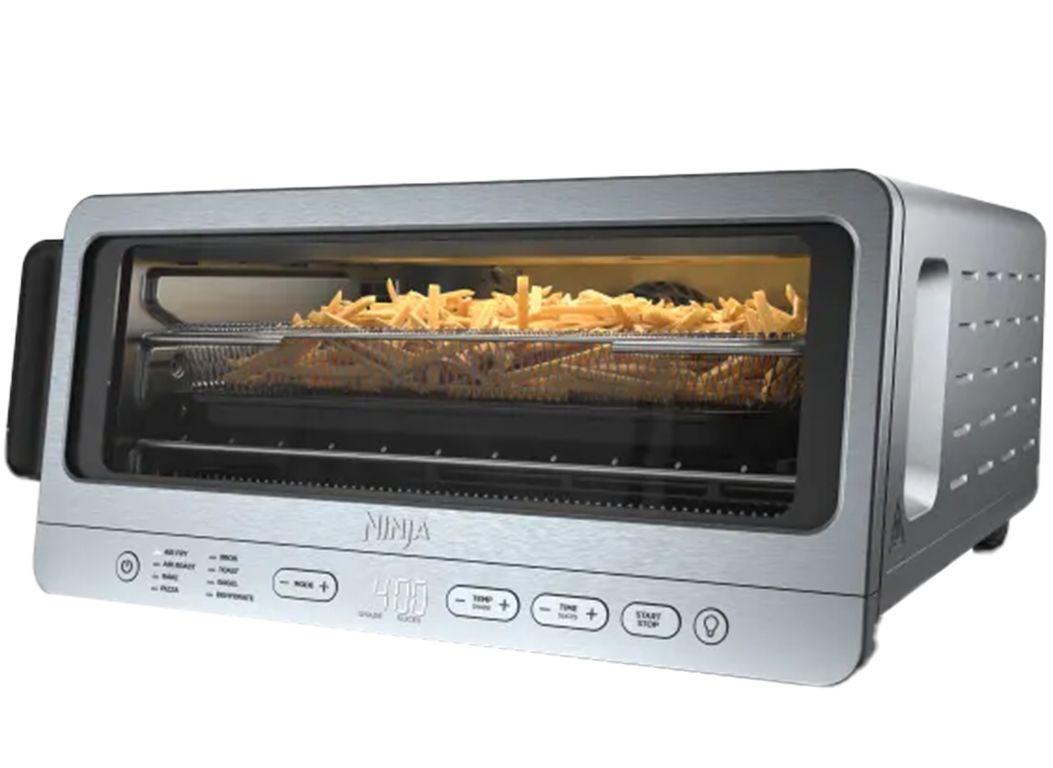
Credit: www.consumerreports.org
Common Toaster Allergens
Toasters might seem harmless, but they can easily harbor allergens that pose risks to people with food sensitivities. Understanding what these allergens are and how they get into your toaster is the first step toward keeping your kitchen safe. Let’s look closely at the common allergens found in toasters and how they end up there.
Types Of Allergens In Toasters
Common allergens in toasters include gluten, nuts, dairy, and soy. Gluten often comes from crumbs of bread or baked goods left inside the toaster slots. Nut residues might come from toasting nut-based breads or pastries.
Dairy allergens can linger from cheesy bread or buttered toast, while soy is often found in breads and spreads. Even tiny crumbs can carry enough allergen to cause a reaction if you’re sensitive. Have you ever thought about what crumbs might be hiding inside your toaster?
Sources Of Cross-contamination
Cross-contamination happens when allergens transfer from one food to another through shared surfaces or equipment. Your toaster’s slots and heating elements are perfect places for crumbs and oils to build up, mixing allergens from different foods.
Using the same toaster for gluten-free and regular bread without cleaning it thoroughly can expose you or your guests to allergens. Also, shared kitchen tools like tongs or trays can spread allergens if they’re not cleaned properly. How often do you clean your toaster to avoid these hidden dangers?
Preparing For Allergen Removal
Preparing for allergen removal in a kitchen is a vital step for staff safety and food hygiene. It ensures thorough cleaning of equipment like toasters to prevent allergen cross-contact. Proper preparation helps avoid health risks for customers with allergies.
Staff must gather all necessary tools and follow safety measures before starting the cleaning process. Clear guidelines and the right equipment make allergen removal efficient and effective.
Necessary Cleaning Tools
- Soft-bristle brush to remove crumbs and debris
- Lint-free cloths for wiping surfaces
- Food-safe cleaning spray or sanitizer
- Disposable gloves to avoid cross-contact
- Small vacuum cleaner or handheld vacuum for crumbs
- Separate cleaning tools reserved for allergen cleaning
Safety Precautions For Staff
- Wear disposable gloves throughout the cleaning process
- Wash hands before and after handling the toaster
- Use dedicated cleaning tools for allergen areas only
- Avoid touching other food items during cleaning
- Ensure the toaster is unplugged before cleaning
- Inform all staff about the allergen cleaning procedure
Step-by-step Cleaning Process
Cleaning a toaster to remove allergens is essential. Follow a step-by-step process to ensure thorough cleaning. This helps in maintaining a safe kitchen environment for everyone.
Unplugging And Disassembling The Toaster
First, unplug the toaster for safety. Wait for it to cool down. Carefully disassemble any removable parts, such as the crumb tray or racks. This makes cleaning more effective.
Removing Crumbs And Residue
Turn the toaster upside down over a trash bin. Gently shake to remove loose crumbs. Use a soft brush to reach deeper areas. This helps in removing hidden residue.
Wiping Down Surfaces
Dampen a cloth with warm, soapy water. Wipe down the exterior surfaces of the toaster. Focus on areas that may have collected allergens. Dry the surfaces with a clean towel.
Cleaning Removable Parts
Wash the removable parts in hot, soapy water. Use a sponge or brush to scrub them clean. Rinse thoroughly and allow them to dry completely. Reassemble the toaster only after all parts are dry.

Credit: www.nytimes.com
Using Allergen-safe Cleaning Products
Using allergen-safe cleaning products is essential for kitchen staff aiming to remove allergens from a toaster effectively. These products help eliminate residue without introducing new irritants or harmful chemicals. Choosing the right cleaner ensures safety for both staff and customers with allergies.
Recommended Cleaning Agents
Look for cleaning products labeled as hypoallergenic or specifically designed to remove food allergens. Simple solutions like white vinegar and baking soda can be surprisingly effective and safe. These natural agents break down crumbs and oils without leaving harmful residues behind.
Commercial allergen-free cleaners often contain enzymes that target proteins from nuts, gluten, and dairy. Using such products regularly keeps the toaster clean and reduces cross-contact risks. Always check product labels to confirm they are free from fragrances and dyes, which can also trigger allergies.
Avoiding Harmful Chemicals
Avoid cleaners with bleach, ammonia, or strong synthetic fragrances when cleaning toasters. These chemicals can irritate skin and respiratory systems, especially for sensitive individuals. Plus, residues from harsh chemicals can linger and contaminate food during the next use.
Have you noticed how some cleaners leave a strong smell that sticks around? That’s a sign they might not be safe for allergy-sensitive environments. Instead, opt for mild, fragrance-free options to protect everyone’s health while keeping your toaster spotless.
Preventing Future Allergen Exposure
Preventing future allergen exposure in kitchen appliances like toasters is essential for protecting customers with food allergies. Allergen residues can linger in crumb trays, heating elements, and toaster slots, leading to accidental contamination. Taking proactive steps ensures your kitchen remains safe and builds trust with guests who rely on your care.
Designating Toasters For Specific Uses
Assigning separate toasters for allergen-free cooking is a practical way to avoid cross-contact. For example, keep one toaster exclusively for gluten-free bread and another for regular items. This clear division helps staff quickly identify which toaster to use and reduces the risk of mixing allergens.
Label each toaster clearly with signs or color-coded tags. This simple visual cue supports kitchen efficiency and safety. Have you noticed how small changes like this can transform your team’s attention to detail?
Regular Cleaning Schedules
Cleaning toasters thoroughly and often is key to removing allergens trapped in crumbs and crevices. Set a strict schedule that includes daily crumb tray emptying and weekly deep cleans using safe cleaning tools.
Use brushes or vacuum attachments designed for appliances to avoid damaging the toaster. Encourage staff to inspect toasters before every use. Could a checklist help your kitchen maintain this habit consistently?
Staff Training On Allergen Control
Educate your team about the importance of allergen control in appliances. Training should cover recognizing allergen risks, proper cleaning techniques, and the consequences of cross-contact.
Role-playing scenarios or quick quizzes can make training more engaging and memorable. When staff understand the real impact of their actions, they become more vigilant. How often do you refresh training to keep allergen awareness sharp?
Credit: www.consumerreports.org
Signs Of Allergen Contamination To Watch For
Knowing the signs of allergen contamination in your toaster is crucial for anyone managing a kitchen. Allergens can linger unnoticed, posing a serious risk to people with allergies. Watching closely for these signs helps you act quickly and keep your kitchen safe.
Visual Indicators
Look carefully inside and around the toaster for crumbs or residue from previous use. These leftovers often carry allergen traces like nuts, gluten, or dairy.
Check for discoloration or burnt spots that might trap allergens. Even small particles stuck in crevices can cause contamination.
Ask yourself: Is the toaster thoroughly cleaned after every use? If not, visible debris is a red flag that allergens may remain.
Smell And Taste Checks
Smell can be a subtle yet powerful clue. If you notice an unusual or lingering aroma, it might indicate leftover food particles with allergenic ingredients.
Though tasting from a toaster is not recommended, staff often detect cross-contamination when flavors mix unexpectedly in toast. This can be a warning sign of allergen presence.
Trust your senses but never rely solely on them—combine smell and visual checks to better identify contamination risks.
Frequently Asked Questions
How Can Kitchen Staff Clean Toaster Crumbs Safely?
Kitchen staff should unplug the toaster and remove all crumbs using a soft brush or cloth. Avoid water inside the toaster. Regular crumb tray cleaning prevents allergen buildup and cross-contamination.
What Products Help Remove Allergens From Toasters?
Use mild dish soap and warm water to clean removable parts. Avoid harsh chemicals that damage the toaster. Natural cleaners like vinegar can help sanitize without leaving harmful residues.
How Often Should Toasters Be Cleaned To Prevent Allergens?
Clean toasters daily in busy kitchens to avoid allergen buildup. Regular cleaning reduces cross-contact risks for allergy sufferers and maintains hygiene standards. Consistency is key for safety.
Can Toaster Covers Prevent Allergen Contamination?
Yes, toaster covers protect against dust and airborne allergens. They help keep the surface clean between uses. Covers should be washed regularly to maintain effectiveness.
Conclusion
Removing allergens from a toaster keeps the kitchen safe for everyone. Clean crumbs and wipe all parts carefully. Use separate tools for allergen-free cleaning. Check toaster regularly to avoid buildup. Staff should follow simple steps every day. This helps prevent allergic reactions and keeps food safe.
Small actions make a big difference in allergy control. Safe kitchens protect both staff and customers well. Always stay alert to allergen risks in your kitchen.


