


Are you thinking about upgrading your kitchen utensils? If so, you might have come across bamboo as a popular choice.
But is bamboo really good for your kitchen tools? You probably want something safe, durable, and easy to clean. Choosing the right utensils can make cooking more enjoyable and even healthier. Keep reading to discover why bamboo could be the perfect addition to your kitchen and how it compares to other materials you might be using right now.
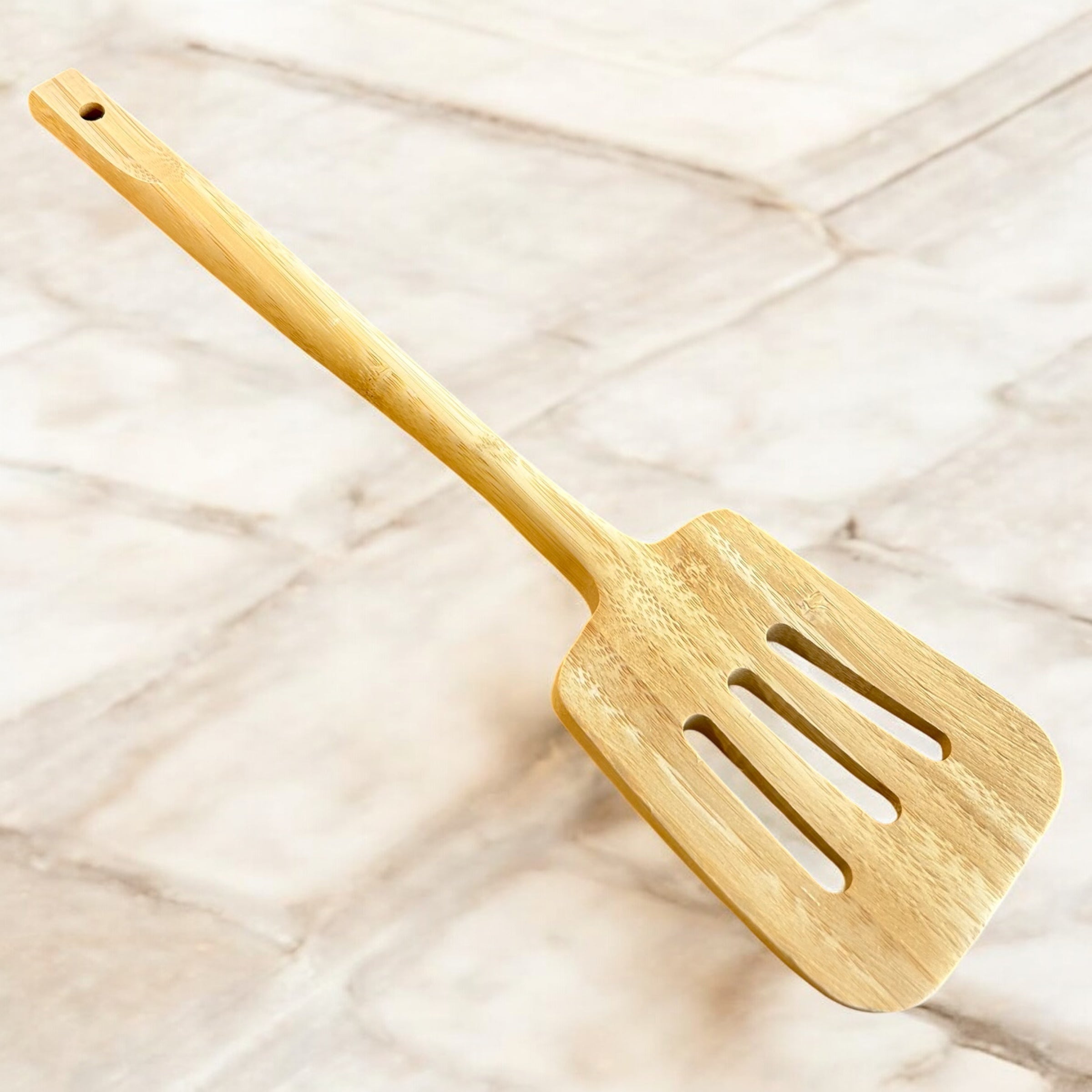
Credit: www.bambooswitch.com
Why Choose Bamboo Utensils
Choosing the right utensils can change how you cook and care for your kitchen tools. Bamboo utensils stand out because they combine practicality with eco-awareness. Understanding why bamboo is a smart choice helps you make better decisions for your cooking and the planet.
Durability And Strength
Bamboo is naturally tough and can handle daily kitchen tasks without breaking or splintering easily. Unlike plastic, bamboo doesn’t melt or warp when exposed to heat. I once switched to bamboo spatulas, and they lasted much longer than my old plastic ones, even after regular use.
Its dense fiber structure gives bamboo a strength that rivals some hardwoods. This means your bamboo spoons and forks won’t crack or wear down quickly, saving you money over time.
Eco-friendly Qualities
Bamboo grows incredibly fast, making it a renewable resource that replenishes quickly. Choosing bamboo utensils reduces reliance on plastic and slows deforestation linked to hardwood production. Have you thought about how your kitchen choices impact the environment?
Bamboo also requires minimal pesticides and fertilizers, which means fewer chemicals end up in your home and the soil. By picking bamboo, you support a sustainable cycle that benefits both your kitchen and the earth.
Lightweight And Comfortable
Bamboo utensils feel lighter in your hand compared to metal or heavy wood. This makes stirring, flipping, and serving easier, especially during long cooking sessions. I noticed less wrist strain when I switched to bamboo tools, which made cooking more enjoyable.
The smooth texture of bamboo is gentle on your cookware, preventing scratches on non-stick surfaces. This helps your pots and pans last longer, protecting your investment.
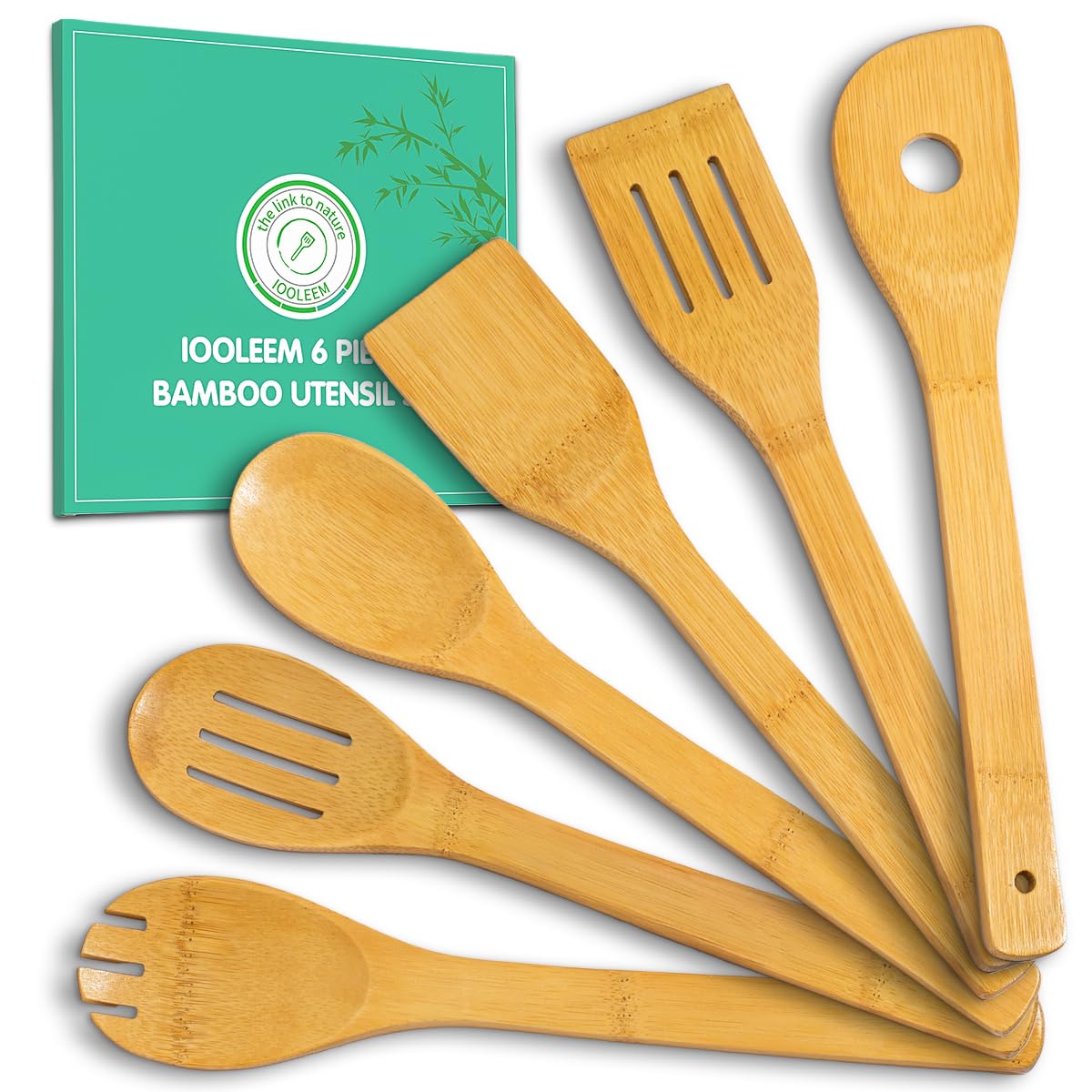
Credit: www.amazon.ca
Health Benefits Of Bamboo Utensils
Bamboo utensils offer several health benefits that make them a smart choice for your kitchen. They are made from natural materials that support safe and healthy cooking. Bamboo is known for its unique qualities that protect your food and body.
Natural Antibacterial Properties
Bamboo contains natural antibacterial agents. These agents help prevent the growth of harmful bacteria on the utensils. This means less risk of food contamination. Using bamboo utensils can keep your kitchen cleaner and safer.
Chemical-free And Safe
Bamboo utensils are free from harmful chemicals often found in plastic or metal tools. They do not leach toxins into food. This makes them a safer option for cooking and eating. Choosing bamboo helps avoid exposure to synthetic chemicals.
Non-toxic And Hypoallergenic
Bamboo utensils do not cause allergic reactions. They are gentle on sensitive skin and safe for all family members. Bamboo is non-toxic, meaning it won’t release harmful substances. This makes it ideal for those with allergies or sensitivities.
Maintenance And Longevity
Bamboo utensils last long with proper care like hand washing and drying. Regular oiling keeps them strong and prevents cracking. They resist stains and odors better than many other materials.
Bamboo kitchen utensils are popular for their durability and eco-friendly nature. Proper maintenance ensures they last a long time. With the right care, bamboo utensils can serve your kitchen needs for years. Learn how to clean, store, and extend their lifespan.
Easy Cleaning Tips
Bamboo utensils are easy to clean. Use mild soap and warm water. Avoid soaking them in water. This prevents warping and maintains their shape. Dry them immediately with a towel. Letting them air dry can lead to cracks. Occasionally, apply mineral oil to keep them moisturized.
Proper Storage Practices
Store bamboo utensils in a dry place. Keep them away from direct sunlight. This prevents fading and drying out. Use a utensil holder that allows air circulation. Avoid stacking them in a cramped drawer. This helps maintain their natural shape.
Extending The Lifespan
Regular maintenance extends the life of bamboo utensils. Avoid using them in high heat or with hot oils. This prevents damage and discoloration. Inspect them regularly for any signs of wear. Replace them if they start splintering. Proper care ensures they remain a kitchen staple.
Comparing Bamboo To Other Materials
Choosing the right material for your kitchen utensils affects not only your cooking experience but also the environment and your health. Bamboo stands out as a natural, sustainable option, but how does it really compare to more common materials like plastic, metal, and wood? Let’s break down the strengths and weaknesses of each to help you decide what fits best in your kitchen.
Bamboo Vs Plastic
Bamboo is a natural, renewable resource, while plastic comes from petroleum, a non-renewable source. Bamboo utensils are biodegradable and won’t add to long-term landfill waste, unlike plastic which can take hundreds of years to decompose.
Plastic utensils often feel lighter and cheaper, but they can release harmful chemicals when heated or scratched. Bamboo is heat-resistant and safe, making it ideal for cooking at higher temperatures without worry.
Have you noticed how plastic utensils can stain or retain odors? Bamboo resists staining and odors better, keeping your utensils fresh longer.
Bamboo Vs Metal
Metal utensils are durable and heat-resistant but can scratch your cookware, especially non-stick pans. Bamboo is gentle on cookware surfaces, reducing wear and tear.
Metal can get hot quickly, risking burns when you’re cooking. Bamboo stays cool to the touch, providing safer handling during meal prep.
While metal utensils often require more effort to clean and maintain their shine, bamboo utensils are easy to clean and don’t rust or corrode.
Bamboo Vs Wood
Wood and bamboo look similar, but bamboo grows faster and is more sustainable. This rapid growth means bamboo is often cheaper and more eco-friendly.
Wood utensils can absorb water and may crack or warp over time. Bamboo is more resistant to moisture and less likely to split.
If you’ve ever experienced a wooden spoon that smells musty after a few uses, you’ll appreciate bamboo’s natural resistance to bacteria and odors.
Design And Aesthetic Appeal
Bamboo kitchen utensils bring more than just functionality to your cooking space—they add a unique design and aesthetic appeal that can transform your kitchen atmosphere. Their appearance combines simplicity with natural elegance, making them a favored choice for many homeowners. Let’s look at how bamboo’s design qualities can enhance your kitchen’s overall look and feel.
Natural Look In Kitchens
Bamboo utensils have a warm, earthy tone that fits perfectly in kitchens aiming for a natural or rustic vibe. The subtle grain patterns and smooth finish give each piece a distinct character you won’t find in plastic or metal tools.
Using bamboo can soften the coldness of modern appliances and create a welcoming environment. Have you noticed how a few wooden or bamboo items can instantly make your kitchen feel cozier and more inviting?
Variety Of Styles And Finishes
Bamboo utensils come in many shapes and finishes, from sleek and polished to matte and textured. This variety allows you to choose pieces that match your kitchen’s style, whether it’s contemporary, traditional, or farmhouse.
- Polished bamboo offers a smooth, shiny look ideal for minimalist kitchens.
- Textured or hand-carved utensils add depth and artisanal charm.
- Natural matte finishes highlight bamboo’s organic feel, perfect for eco-friendly setups.
Such options give you the freedom to mix and match or maintain a consistent theme throughout your kitchen tools.
Customizable Options
Bamboo is easy to work with, which means you can find or order customized utensils tailored to your needs. Personalizing handles with names, patterns, or even custom shapes makes your kitchen tools feel truly unique.
Imagine having a set of bamboo spoons designed just for the types of dishes you love to cook. Custom utensils don’t just look good—they can improve your cooking experience by fitting your grip and style perfectly.
Would you consider personalized bamboo utensils to make your kitchen feel more like your own space?
Potential Drawbacks To Consider
Bamboo kitchen utensils offer many benefits, but they aren’t without their flaws. Knowing the potential drawbacks helps you decide if they fit your cooking style and maintenance routine. Let’s look at some challenges you might face when using bamboo utensils.
Sensitivity To Water
Bamboo is naturally porous, which means it absorbs water more easily than metal or plastic. If you leave your bamboo utensils soaking or wet for too long, they can swell, warp, or even crack.
From my experience, hand washing and drying bamboo utensils immediately extends their life. But if you’re used to tossing everything in the dishwasher, bamboo might not be your best option.
Possible Wear Over Time
Even with careful use, bamboo utensils show signs of wear faster than metal tools. You might notice the surface becoming rough or small splinters developing after months of regular use.
Think about how often you’re willing to replace or sand down your utensils. If you prefer tools that stay smooth and new-looking for years, bamboo could require more upkeep than you expect.
Limitations In High Heat
Bamboo can handle moderate heat but struggles with very high temperatures. Using bamboo spoons directly in a hot pan or near open flame might cause charring or damage.
Are your cooking habits usually high-heat or gentle simmer? If you frequently stir-fry or grill, you might want utensils that withstand intense heat better than bamboo can.
Where To Buy Quality Bamboo Utensils
Finding quality bamboo utensils can significantly enhance your kitchen experience. But where exactly should you shop to ensure you get durable, eco-friendly tools that justify your investment? Let’s look at some reliable options and what to keep in mind while shopping.
Trusted Brands
Choosing bamboo utensils from well-known brands ensures better quality and safety standards. Brands like Bambu, Totally Bamboo, and Earlywood have built reputations for sustainable sourcing and craftsmanship. These companies often provide detailed product information, including the type of bamboo used and manufacturing processes.
Have you ever bought utensils that cracked or warped quickly? Trusted brands minimize such risks by using high-quality bamboo and proper finishing techniques. Checking customer reviews on these brands can also give you insight into real-life durability and performance.
Price Ranges
Bamboo utensils come in a variety of price points, typically ranging from $10 to $40 for a set. Lower-priced options might be mass-produced with less attention to detail, while higher-priced sets often feature hand-finished edges and organic bamboo.
Consider how often you cook and the importance of longevity before choosing your budget. Spending a bit more upfront can save money and frustration later if the utensils last longer and resist stains or odors better.
What To Look For
- Finish:Smooth, splinter-free surfaces ensure comfort and safety during use.
- Certifications:Look for products labeled BPA-free and free from harmful chemicals.
- Design:Choose utensils that feel balanced and comfortable in your hand.
- Maintenance:Check if the utensils are easy to clean and require minimal care.
Have you noticed how some bamboo utensils develop cracks or discolor over time? Selecting pieces with a high-quality finish and proper care instructions helps avoid these issues. Always ask if the bamboo is sustainably harvested — your kitchen tools should not come at the expense of the environment.
:max_bytes(150000):strip_icc()/wooden-spoons-for-cooking-7-piece-7f588bd1f8864d0c94f3d5735798d7f7.jpg)
Credit: www.allrecipes.com
Frequently Asked Questions
Is Bamboo Safe For Cooking Utensils?
Yes, bamboo is safe for cooking utensils. It is natural, non-toxic, and free from harmful chemicals. Bamboo utensils do not react with food, making them ideal for kitchen use.
How Durable Are Bamboo Kitchen Utensils?
Bamboo utensils are highly durable. They resist cracking and warping better than wood. With proper care, they last longer and maintain their strength.
Are Bamboo Utensils Eco-friendly?
Absolutely. Bamboo is a fast-growing, renewable resource. Using bamboo utensils reduces plastic waste and environmental impact, making them an eco-friendly kitchen choice.
Do Bamboo Utensils Resist Bacteria?
Yes, bamboo has natural antimicrobial properties. This helps reduce bacteria growth on utensils, ensuring safer and more hygienic food preparation.
Conclusion
Bamboo is a strong and safe choice for kitchen utensils. It resists stains and does not scratch cookware. Bamboo is also light and easy to handle. It grows quickly, making it good for the environment. Cleaning bamboo utensils is simple and fast.
They last long with proper care. Choosing bamboo helps reduce plastic waste. It fits well in any kitchen style. Overall, bamboo offers a natural, practical option for daily cooking tools. Give bamboo utensils a try for a fresh kitchen experience.


