


Have you ever struggled to slice through a crusty loaf of bread or a juicy tomato with your regular kitchen knife? You might have wondered if there’s a special knife designed for such tasks.
That knife, the one with teeth along its edge, has a unique name and purpose. Understanding what it’s called and why it’s different can change the way you cook and prepare food. Keep reading to discover the secret behind this essential kitchen tool and how it can make your cutting easier and more precise.
Credit: nymag.com
Serrated Blade Basics
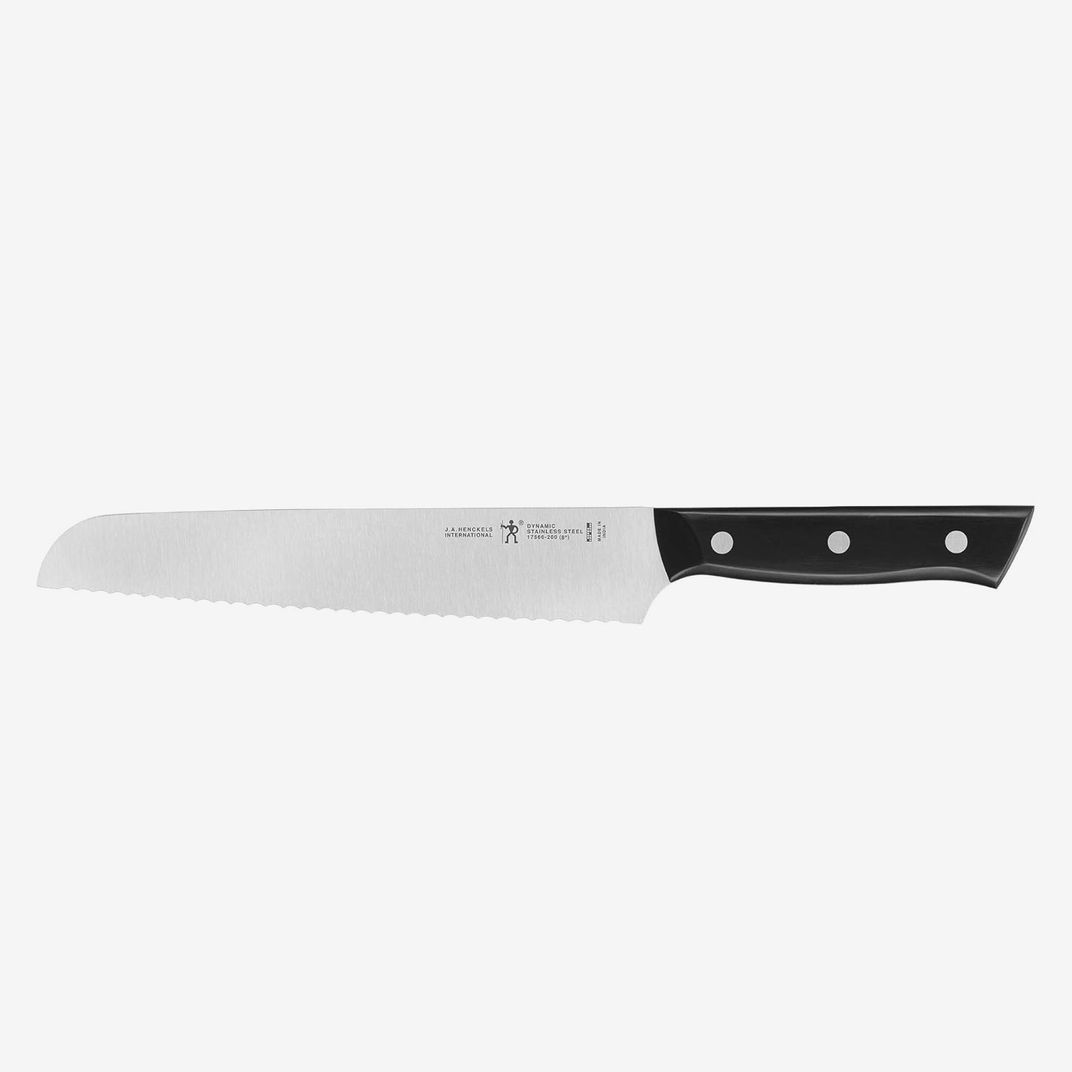
Serrated blades are a special type of kitchen knife. They have teeth along the edge instead of a smooth blade. These teeth help cut through tough surfaces without crushing the food. A serrated blade works well with foods like bread, tomatoes, and citrus fruits. It grips the surface and slices cleanly with a sawing motion.
Toothed Edge Design
The edge of a serrated blade has small, sharp teeth. These teeth vary in size and shape. Some have large, deep teeth; others have small, fine ones. The teeth create points of pressure that break the food’s skin. This makes cutting easier and faster. The blade’s design reduces slippage and tearing. It also stays sharp longer than a straight edge.
Common Serrated Knife Types
- Bread Knife:Long blade with large teeth. Perfect for slicing crusty bread.
- Tomato Knife:Shorter blade with fine teeth. Cuts soft skins without squashing the fruit.
- Utility Knife:Medium-sized blade with moderate teeth. Good for various kitchen tasks.
- Steak Knife:Smaller serrated blade used at the table. Cuts cooked meat easily.
Credit: www.hellofresh.com
Benefits Of Serrated Blades
Serrated blades, often found on kitchen knives with teeth, offer unique advantages that make them a valuable tool in your kitchen. Their design helps tackle tasks that smooth blades struggle with, giving you more control and efficiency. Understanding these benefits can improve your cooking experience and knife maintenance.
Cutting Tough Surfaces
Serrated knives excel at slicing through tough, fibrous, or crusty surfaces without crushing them.
Think about cutting a fresh loaf of bread. A smooth blade might squish the loaf, but a serrated edge bites into the crust and cuts cleanly.
This makes them perfect for tomatoes, citrus fruits, and even some meats where the skin or outer layer is tougher than the inside.
Have you noticed how effortlessly a serrated knife tackles a stubborn tomato compared to a smooth blade? That’s the edge of those teeth at work.
Maintaining Sharpness Longer
Serrated blades hold their sharpness much longer than straight-edged knives. The teeth reduce the contact area with what you cut, so they wear down more slowly.
This means less frequent sharpening, saving you time and effort. You can rely on your serrated knife to stay effective through many uses.
Even if you don’t sharpen your serrated knife regularly, it will still perform well. This is especially handy if you prefer low-maintenance tools in your kitchen.
Serrated Blade Uses
A serrated blade is a kitchen essential that often surprises home cooks with its versatility. Its unique teeth-like edges make slicing through certain foods easier and cleaner than a smooth blade. Understanding how to use this type of knife can change the way you prepare your meals and save you time.
Bread And Bakery Items
Serrated knives are perfect for cutting through bread without crushing it. The teeth grip the crust, allowing you to saw through thick, hard surfaces while keeping the soft interior intact.
If you’ve ever struggled slicing a fresh baguette or a crusty loaf, you know how frustrating it can be. Using a serrated blade here means you get even slices with minimal effort.
Tomatoes And Soft Fruits
Soft fruits like tomatoes can be tricky to cut because their skin is delicate but firm. A serrated knife’s saw-like edge pierces the skin without squashing the fruit inside.
Have you noticed how a regular knife sometimes smashes tomatoes? Using a serrated blade helps maintain the fruit’s shape and juice, making your salads look and taste better.
Meat And Other Foods
Serrated blades also work well on certain meats, especially those with a tougher exterior or a crust, like roast beef or smoked ham. The teeth help you slice thin pieces cleanly without shredding the meat.
Besides bread and fruits, you might try a serrated knife on foods like pineapple or hard-skinned squash. It’s a handy tool for jobs where a smooth blade struggles.
Choosing The Right Serrated Knife
Choosing the right serrated knife can change how you handle everyday kitchen tasks. It’s not just about having a knife with teeth; it’s about picking one that fits your needs and feels right in your hand. The right serrated knife can make slicing bread, tomatoes, and even tougher-skinned fruits easier and more precise.
Blade Length And Shape
The blade length affects what you can cut comfortably. Shorter blades, around 5 to 6 inches, work well for small fruits and vegetables. Longer blades, 8 to 10 inches, are great for slicing large bread loaves or bigger produce.
Shape matters too. A curved blade can help you saw through crusty bread, while a straighter blade might give more control with delicate items. Think about what you cut most often and match the blade shape to your regular tasks.
Handle Comfort And Grip
You’ll use your serrated knife a lot, so comfort is key. Look for handles that feel secure and don’t slip, even when wet. Materials like rubber or textured plastic often provide better grip than smooth wood or metal.
Ergonomics play a big role. If the handle feels awkward or causes hand fatigue, you’re less likely to use the knife properly. Have you ever stopped using a favorite tool just because it hurt your hand? Don’t let that happen to your serrated knife.
Caring For Serrated Knives
A kitchen knife with teeth is called a serrated knife. Caring for it means gentle hand washing and drying right away. Avoid sharpening with regular stones; use a special sharpener made for serrated blades.
Caring for serrated knives is crucial for their longevity and performance. These unique knives require special attention to maintain their sharpness and effectiveness. A well-maintained serrated knife can make slicing through bread, tomatoes, and other items effortless.
Cleaning Tips
Cleaning serrated knives is simple but requires care. Always wash them by hand. Use warm water and mild soap. Avoid soaking the handle to prevent damage. Rinse thoroughly to remove soap residues. Dry immediately with a clean towel to avoid rust.
Sharpening Techniques
Sharpening serrated knives requires a special tool. Use a ceramic sharpening rod for best results. Focus on each individual serration. Insert the rod into the serration and gently stroke. Repeat for each serration until sharp. Regular maintenance keeps your knife in top condition.

Credit: knifewear.com
Comparing Serrated And Straight Blades
Comparing serrated and straight blades reveals clear differences in use and care. Each blade suits specific tasks in the kitchen. Understanding these differences helps in choosing the right knife. It also improves cutting efficiency and safety.
Cutting Performance
Serrated blades have teeth along the edge. These teeth grip and saw through tough surfaces. They work well on bread, tomatoes, and other soft items with hard skins. Straight blades have a smooth edge. They slice cleanly through meat, vegetables, and fruits. Straight blades offer precision and smooth cuts. Serrated blades excel at cutting items without crushing them.
Maintenance Differences
Serrated knives need less frequent sharpening. Their teeth keep cutting well even when slightly dull. Sharpening serrated blades requires special tools or professional help. Straight blades need regular sharpening to stay effective. They are easier to sharpen at home with a whetstone or sharpener. Both types should be cleaned and dried immediately to prevent rust.
Frequently Asked Questions
What Is A Kitchen Knife With Teeth Called?
A kitchen knife with teeth is called a serrated knife. It has a saw-like edge for cutting tough surfaces like bread.
Why Use A Serrated Kitchen Knife?
Serrated knives cut through crusty or soft foods without crushing them. They work well on bread, tomatoes, and cakes.
How To Sharpen A Serrated Kitchen Knife?
Use a special sharpening rod designed for serrated edges. Sharpen each tooth gently to maintain the knife’s effectiveness.
Are Serrated Knives Good For Everyday Use?
Serrated knives are ideal for specific tasks, not all kitchen jobs. Use them mainly for cutting bread and soft-skinned fruits.
Conclusion
A kitchen knife with teeth is called a serrated knife. It cuts through tough foods easily. Bread, tomatoes, and citrus fruits are good examples. The teeth grip and slice without crushing. This makes it useful in many kitchens. Keep it sharp for best results.
A serrated knife is a helpful tool to have. It makes food prep faster and neater. Try using one and see the difference. Simple, effective, and easy to use.


