


Are you tired of wondering whether your favorite kitchen utensils can go in the dishwasher? You’re not alone.
Knowing which core kitchen tools are dishwasher safe can save you time and protect your investment. Imagine never worrying about ruining your spoons, spatulas, or knives again. You’ll discover simple tips to keep your utensils clean and in great shape—without the guesswork.
Keep reading to find out exactly what you need to know to make your kitchen cleanup easier and safer.
Credit: www.walmart.com
Common Kitchen Utensils
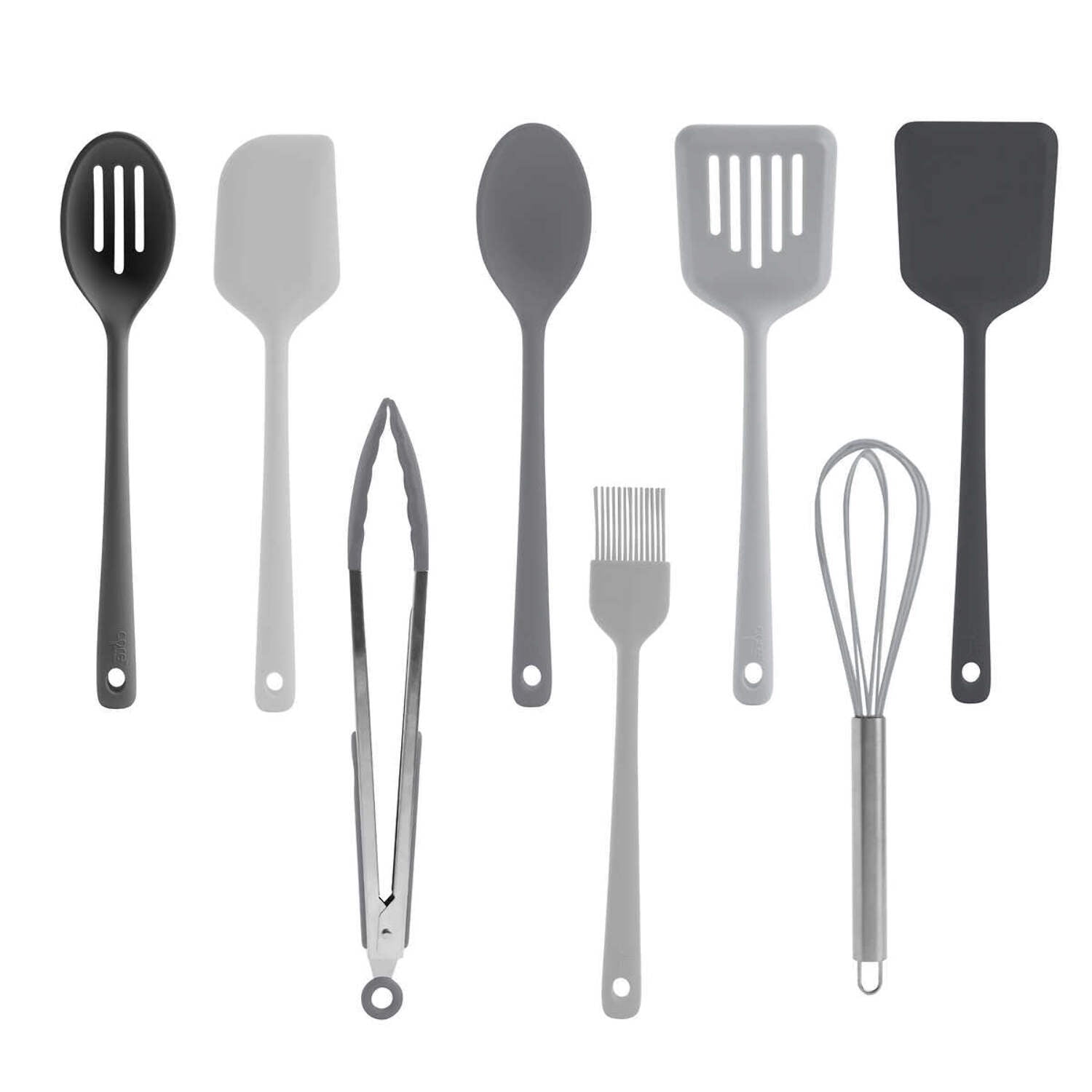
Common kitchen utensils are essential tools used daily for cooking and serving food. They help with stirring, cutting, measuring, and serving. These utensils come in many shapes and sizes to fit different kitchen tasks.
Understanding which utensils are dishwasher safe depends on their type and material. Some can withstand high temperatures and strong detergents, while others may get damaged.
Types Of Utensils
- Spoons – wooden, metal, plastic
- Spatulas – silicone, metal, wood
- Knives – stainless steel, ceramic
- Whisks – metal, silicone-coated
- Tongs – metal, plastic
- Measuring cups and spoons – plastic, metal
Materials Used
Utensils are made from various materials. Each material reacts differently to dishwasher cleaning.
- Stainless Steel:Durable and mostly dishwasher safe. Resists rust and staining.
- Wood:Absorbs water and can crack or warp. Usually not dishwasher safe.
- Plastic:Varies by quality. Some melt or discolor in hot water.
- Silicone:Flexible and heat-resistant. Generally dishwasher safe.
- Ceramic:Fragile and can chip. Often hand wash recommended.
Dishwasher Safety Basics
Understanding the basics of dishwasher safety is key to keeping your kitchen utensils in top shape. Not all utensils handle the dishwasher environment the same way. Knowing how heat, water, and detergents affect your tools can save you time and money, and keep your kitchen running smoothly.
Heat And Water Effects
High temperatures inside a dishwasher can warp or melt some utensils. Plastic handles and wooden parts are especially vulnerable. Have you noticed your favorite spatula bending after a few washes? That’s heat damage at work.
Water pressure also plays a role. Strong jets can chip or scratch delicate surfaces like non-stick coatings or painted finishes. To protect these items, place them securely and avoid crowding your dishwasher.
Detergent Impact
Dishwasher detergents are formulated to break down tough food residues, but they can be harsh on certain materials. Harsh chemicals may dull the shine on stainless steel or erode the finish on wooden handles.
Choosing a mild detergent or one labeled as safe for your type of utensils can reduce wear. Have you ever noticed a metallic utensil looking cloudy after repeated washes? That’s detergent residue building up.
Simple adjustments to your detergent choice and loading techniques can extend the life of your core kitchen tools. What small changes could you make to protect your utensils better?
Utensils Usually Dishwasher Safe
Many core kitchen utensils can go straight into the dishwasher. This saves time and effort during cleanup. Knowing which utensils are dishwasher safe helps keep them in good shape. It also prevents damage to your tools and dishwasher.
Stainless Steel
Stainless steel utensils are usually safe for dishwashers. They resist rust and corrosion well. This metal handles high heat and strong water jets. Avoid mixing stainless steel with aluminum or cast iron in the dishwasher. It keeps the metal looking shiny and new.
Silicone And Plastic
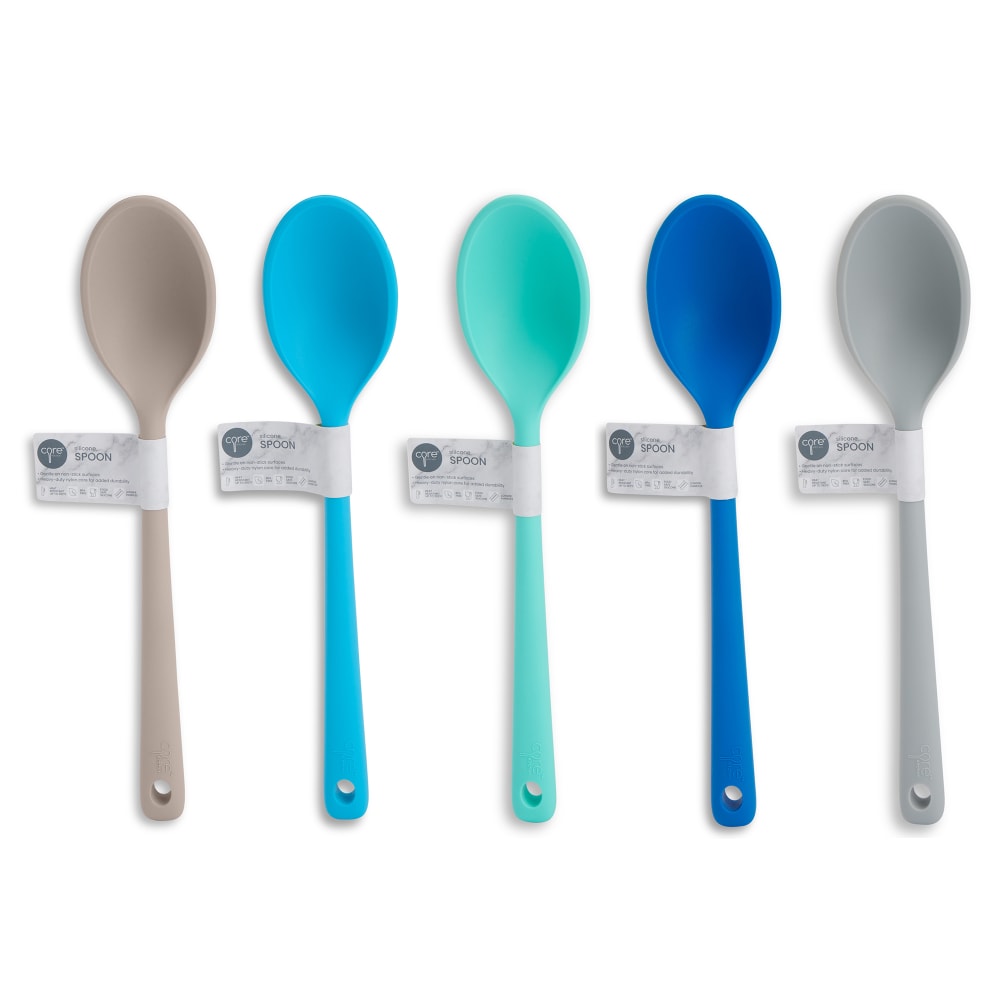
Silicone utensils can go in the dishwasher without problems. They tolerate heat and do not warp easily. Many plastics are dishwasher safe too, but check the label. Use the top rack to protect plastic from the dishwasher’s heating element. This prevents melting or warping.
Heat-resistant Glass
Heat-resistant glass utensils and tools usually handle dishwashers well. They withstand hot water and detergent without cracking. Avoid sudden temperature changes to protect glass from breaking. Place glass items securely to stop them from banging during the wash cycle.
Credit: hillsidewealth.ca
Utensils To Avoid In Dishwashers
Not all kitchen utensils are made to survive the high heat and harsh detergents inside a dishwasher. Some items can warp, crack, or lose their finish if tossed in with your regular load. Knowing which utensils to keep out of the dishwasher helps you protect your tools and keep them looking and working great for longer.
Wooden Utensils
Wooden spoons, spatulas, and salad servers absorb water easily. When exposed to the dishwasher’s heat and moisture, they can swell and crack over time. I once ruined a favorite wooden spoon this way—it became rough and splintered after just a few cycles.
Hand washing wooden utensils preserves their natural oils and prevents damage. Plus, it helps maintain their smooth texture and prevents unpleasant odors. If you want your wooden tools to last, keep them out of the dishwasher.
Nonstick Coated Tools
Utensils with nonstick coatings, like certain spatulas or tongs, are vulnerable to the dishwasher’s abrasive environment. Detergents and high heat can wear down the coating, making it peel or chip. Have you noticed your nonstick spatula losing its slick surface after a few washes?
Cleaning these tools by hand with mild soap and a soft sponge keeps the coating intact. This simple habit extends their usability and keeps your cookware safe from scratches.
Delicate Metals
Silver, copper, and aluminum utensils often don’t fare well in dishwashers. They can tarnish, discolor, or even pit due to harsh detergents and the dishwasher’s strong water jets. I once saw copper measuring cups turn dull and spotty after dishwasher cleaning.
To keep these metals shiny and smooth, wash them gently by hand. This prevents damage and preserves their beautiful finish, saving you from costly replacements or repairs.
Tips For Dishwasher Loading
Are core kitchen utensils dishwasher safe? Many are, but always check the manufacturer’s instructions first. Placing them correctly ensures they stay in good condition and last longer.
When using a dishwasher, loading kitchen utensils correctly is crucial. Proper placement ensures effective cleaning and prevents damage. Follow these tips to load your dishwasher efficiently and keep your utensils safe.Placement Strategies
- Place larger utensils horizontally on the top rack.
- Arrange knives with blades down for safety.
- Separate spoons and forks to avoid nesting.
- Ensure all utensils face the same direction for even cleaning.
Avoiding Damage
- Keep wooden utensils out of the dishwasher to prevent warping.
- Separate delicate items from heavier pots and pans.
- Avoid overcrowding to allow water and detergent flow.
- Check for dishwasher-safe labels on all utensils.

Credit: www.amazon.ca
Maintaining Utensils After Washing
Keeping your kitchen utensils in top shape after washing is just as important as cleaning them properly. How you dry and store your utensils can greatly affect their lifespan and performance. Small habits here can save you from rust, damage, or unwanted odors later on.
Drying Techniques
Air drying is a popular choice, but it’s not always the best for every utensil. Leaving metal utensils wet for too long can cause rust spots, especially on knives and spoons with joints or crevices.
Using a clean, dry towel to wipe down your utensils immediately after washing helps prevent water spots and corrosion. If you use a dishwasher, don’t just leave utensils sitting inside—remove them promptly and dry thoroughly.
Think about using a utensil rack that allows air to circulate freely around each item. It reduces moisture buildup and speeds up drying without risking damage.
Storage Suggestions
Proper storage keeps utensils safe and ready to use. Avoid tossing them loosely in a drawer where they can get scratched or tangled.
Consider using drawer dividers or utensil organizers to keep items separated and easy to find. Wooden blocks or magnetic strips work well for knives, keeping blades sharp and hands safe.
Make sure the storage area is dry and clean to prevent bacteria growth and unpleasant smells. Do you check your utensil storage regularly to avoid hidden grime or dampness?
When To Hand Wash Instead
Knowing when to hand wash your core kitchen utensils can save you time and extend their life. Not every utensil is built to handle the dishwasher’s heat and harsh detergents. Paying attention to certain signs and understanding which items need special care helps you decide when hand washing is the better option.
Signs Of Damage Risk
Look for any warping, cracking, or discoloration on your utensils after a dishwasher cycle. If your wooden spoons start to crack or your plastic spatulas bend, it’s a clear signal to stop putting them in the dishwasher. Excessive fading or peeling paint on handles also means your utensil is at risk.
Have you noticed any unusual smells or residue left behind even after running the dishwasher? This could mean your utensil’s material is reacting poorly to dishwasher detergent. Protect your investment by washing these items by hand.
Special Care Items
Utensils made from wood, bamboo, cast iron, or those with delicate finishes require gentle treatment. These materials absorb water or can rust and degrade when exposed to dishwasher conditions. For example, a cast iron spatula can lose its seasoning or rust, while wooden utensils may swell and crack.
Non-stick coated utensils and those with intricate designs also benefit from hand washing. Using a soft sponge and mild detergent preserves their surface and prevents damage. Do you want your favorite spatula to last for years or just a few washes?
Frequently Asked Questions
Are All Core Kitchen Utensils Dishwasher Safe?
Not all core kitchen utensils are dishwasher safe. Materials like wood, cast iron, and some plastics can get damaged. Always check the manufacturer’s instructions before placing utensils in the dishwasher to avoid warping or deterioration.
How To Identify Dishwasher Safe Kitchen Utensils?
Look for dishwasher safe labels or symbols on the utensil. Stainless steel, silicone, and some plastics usually are safe. Avoid placing wooden or non-stick utensils in the dishwasher to maintain their quality and longevity.
Can Dishwasher Damage Wooden Kitchen Utensils?
Yes, dishwashers can damage wooden utensils by causing cracks and warping. The heat and water exposure strip natural oils from wood. Hand washing is recommended to preserve wooden kitchen tools and extend their lifespan.
Is Stainless Steel Safe For Dishwasher Cleaning?
Stainless steel utensils are generally dishwasher safe and durable. They resist rust and corrosion under dishwasher conditions. However, avoid mixing stainless steel with other metals to prevent discoloration or damage.
Conclusion
Core kitchen utensils vary in dishwasher safety. Some materials handle heat and water well. Others may warp, fade, or lose coating. Always check the manufacturer’s instructions first. Hand washing keeps delicate items safe longer. Regular cleaning preserves your tools’ quality.
Knowing which utensils go in the dishwasher saves time and effort. Protect your kitchen gear for daily use. Simple care habits make a big difference. Choose wisely to keep your utensils working well.


