


Are you curious about whether your kitchen oven is ceramic? Understanding this can change how you cook and care for your oven.
Knowing the materials used in your oven can help you make better choices for cleaning, maintenance, and even cooking techniques. You’ll discover the truth about kitchen oven ceramics and how this knowledge can improve your cooking experience. Keep reading to unlock tips that could save you time and keep your oven in top shape.
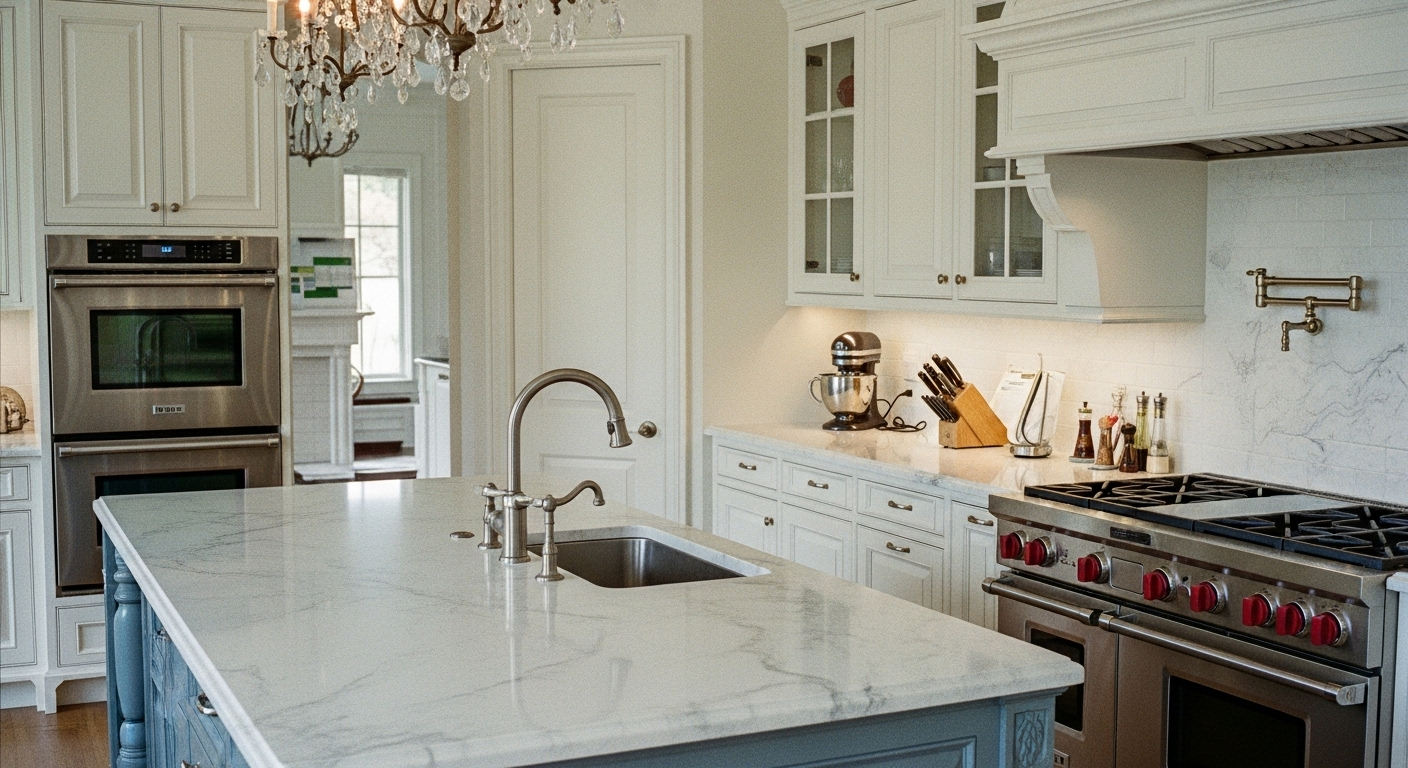
Credit: misen.com
Ceramic Surfaces In Kitchen Ovens
Ceramic surfaces in kitchen ovens have become a popular choice for many home cooks and professionals alike. They offer a sleek look and practical benefits that can enhance your cooking experience. Understanding what makes ceramic surfaces unique helps you decide if they fit your kitchen needs.
Material Composition
Ceramic oven surfaces are made from a combination of natural minerals, mainly clay, silica, and feldspar. These ingredients are heated at high temperatures to create a hard, glass-like finish. This process makes the surface highly resistant to heat and scratches.
Unlike traditional metal surfaces, ceramic coatings do not easily chip or peel. They also resist stains from food spills, making cleanup much easier. Have you ever struggled with scrubbing burnt-on residue? Ceramic surfaces can significantly reduce that hassle.
Common Uses
Ceramic surfaces are commonly found on oven interiors and oven racks. They are also used in some cooktop designs for their smooth, easy-to-clean nature. Many manufacturers choose ceramic coatings to improve durability and aesthetics.
- Interior oven walls: Protects against high heat and food splatters.
- Oven racks: Provides a non-stick surface for easier food handling.
- Cooktop panels: Offers a smooth surface for quick cleaning.
Thinking about your last oven cleaning? Imagine how much time you could save with ceramic surfaces. They not only resist damage but also maintain their shine over years of use.

Credit: xtrema.com
Benefits Of Ceramic Oven Surfaces
Ceramic oven surfaces offer several advantages that can enhance your cooking experience and kitchen maintenance. They combine functionality with easy upkeep, making them a popular choice for many home cooks. Understanding these benefits can help you decide if a ceramic surface fits your needs.
Heat Distribution
Ceramic surfaces spread heat evenly, which helps your food cook more consistently. Uneven heating can cause hotspots that burn some parts while leaving others undercooked. With ceramic, you get a smooth temperature across the cooking area, improving your results every time.
Have you noticed uneven cooking with your current oven? A ceramic surface could be the solution to that problem.
Durability And Scratch Resistance
Ceramic oven surfaces are tough and resist scratches better than many other materials. This means your oven will look newer for longer, even after regular use with metal utensils or heavy pots. The hard surface can take the daily wear and tear without showing signs of damage easily.
Think about how often you accidentally scratch your current stove. Wouldn’t it be great to have a surface that stands up to that without a fuss?
Ease Of Cleaning
Cleaning ceramic oven surfaces is straightforward because food and spills don’t stick as easily. You can wipe down the surface quickly with a damp cloth, avoiding harsh scrubbing. This saves you time and effort after cooking, making kitchen cleanup less of a chore.
Do you spend a lot of time scrubbing your stove? Switching to ceramic could cut that cleaning time significantly.
Potential Drawbacks
Kitchen oven ceramics offer many benefits but also come with some drawbacks. Knowing these points helps you decide if ceramic ovens suit your cooking needs. This section covers the main potential downsides.
Cost Factors
Ceramic ovens often cost more than traditional metal ovens. The material and manufacturing process increase the price. Repair and replacement parts can also be expensive. This might not fit all budgets.
Fragility Concerns
Ceramic surfaces can crack or chip if dropped or hit hard. They require careful handling during cleaning and use. Sudden temperature changes may cause damage too. This fragility limits rough use.
Compatibility With Cookware
Not all cookware works well with ceramic ovens. Some metals can scratch the surface. Heavy pots may cause cracks if placed roughly. Using the right cookware protects the ceramic layer and extends its life.
Comparing Ceramic To Other Oven Surfaces
Choosing the right oven surface can impact your cooking experience more than you might expect. Ceramic surfaces have gained popularity, but how do they truly stack up against other common materials? Let’s break down the differences to help you decide which is best for your kitchen.
Stainless Steel
Stainless steel ovens are known for their durability and sleek appearance. They resist rust and are relatively easy to clean with the right products. However, stainless steel can get very hot quickly, which might lead to uneven cooking if you’re not careful.
Ceramic surfaces, on the other hand, distribute heat more evenly, which often results in better cooking performance. If you’ve ever struggled with hotspots in your oven, ceramic might solve that issue for you.
Enamel Coating
Enamel coatings are popular because they offer a smooth, glossy finish that’s easy to wipe clean. They also resist stains and scratches fairly well under normal use. But over time, enamel can chip if it’s exposed to sudden temperature changes or harsh scrubbing.
Ceramic surfaces tend to be harder and more resistant to scratches than enamel. If you like to cook frequently and want a surface that holds up under heavy use, ceramic could be a smarter choice.
Non-stick Coatings
Non-stick coatings provide convenience by preventing food from sticking and making cleanup faster. However, they often wear off after a few years, especially if metal utensils are used. This can reduce their effectiveness and pose health concerns if the coating starts to peel.
Ceramic coatings are often marketed as a healthier alternative because they typically use fewer chemicals and last longer. If you care about both safety and durability, ceramic surfaces might align better with your priorities.
Expert Opinions And User Experiences
Expert opinions highlight the durability and heat retention of kitchen oven ceramics. Users appreciate their even cooking and easy cleaning.
Are kitchen ovens ceramic? This question has piqued the curiosity of many home cooks and culinary enthusiasts. To shed light on this, we delve into expert opinions and user experiences. By understanding the perspectives of professional chefs and home cooks, you can make an informed decision about whether ceramic ovens are right for your kitchen.
Professional Chef Insights
Professional chefs often have strong preferences when it comes to kitchen equipment. Many appreciate ceramic ovens for their even heat distribution, which is crucial for baking delicate pastries and perfectly roasting meats. One chef shared that the ceramic interior of their oven helps maintain a consistent temperature, reducing the chances of hot spots. This consistency can make all the difference in a busy restaurant kitchen where precision is key. Another chef highlighted the aesthetic appeal of ceramic ovens. They not only perform well but also enhance the kitchen’s overall look, adding a touch of elegance and sophistication.
Home Cook Reviews
Home cooks often have different priorities, focusing on ease of use and maintenance. Many find ceramic ovens to be a game-changer in their cooking routines. A home cook mentioned that cleaning a ceramic oven is surprisingly easy. The smooth surface allows for quick wipe-downs, saving time and effort after a big family meal. However, some users have noted that ceramic ovens can be fragile. Accidental drops or knocks may lead to chips or cracks, requiring careful handling. Have you considered how a ceramic oven might change your cooking experience? Perhaps it’s time to weigh the pros and cons based on these insights.
Maintenance Tips For Ceramic Oven Surfaces
Keeping your ceramic oven surface in top shape extends its life and keeps your kitchen looking sleek. Maintenance isn’t just about cleaning; it’s about protecting and caring for the material so it stays strong and scratch-free. Let’s look at practical ways you can handle your ceramic oven surface daily and avoid common pitfalls.
Cleaning Techniques
Use a soft cloth or sponge with warm, soapy water to wipe down the surface after each use. Avoid abrasive pads or harsh chemicals—they can scratch or dull the ceramic finish.
For stubborn stains, mix baking soda with a little water to form a paste. Apply it gently and leave it for a few minutes before wiping off. This method removes grime without damaging the surface.
Always dry your oven surface thoroughly to prevent water spots. Have you noticed how water marks linger if not wiped away quickly? A simple microfiber cloth does the trick.
Preventing Damage
Never slide heavy pots or pans across the ceramic surface. The friction can cause scratches that are hard to fix. Instead, lift cookware when moving it.
Use cookware with smooth, flat bottoms to ensure even contact and avoid pressure points. Uneven or warped pans can create stress spots on the ceramic.
Watch out for sudden temperature changes. Placing a hot pan on a cold surface or vice versa can cause cracks. Allow pans to cool slightly before setting them down.
How often do you check your cookware for rough edges? Small chips on the bottom can transfer directly onto your ceramic oven, causing damage over time.
Making The Right Choice For Your Kitchen
Choosing the right kitchen oven ceramic matters for your cooking space. It affects how you cook and maintain your kitchen. The right oven fits your budget, cooking style, and lasts long. Understanding these factors helps make a smart choice for your kitchen.
Budget Considerations
Oven ceramics come in various price ranges. Setting a clear budget narrows down your options. Cheaper ceramics may save money but last less. Higher-quality ceramics cost more but offer durability. Balance cost with quality to avoid frequent replacements.
Cooking Habits
Consider how often and what you cook. Frequent baking or roasting needs strong, heat-resistant ceramic. Casual cooks may choose basic ceramic options. Some ceramics handle high temperatures better. Match the oven ceramic to your cooking frequency and style.
Long-term Value
Durability affects long-term value. High-quality ceramic ovens resist cracks and stains. Easy-to-clean ceramics save time and effort. Look for warranties or customer reviews. Investing in quality saves money over time by reducing repairs and replacements.
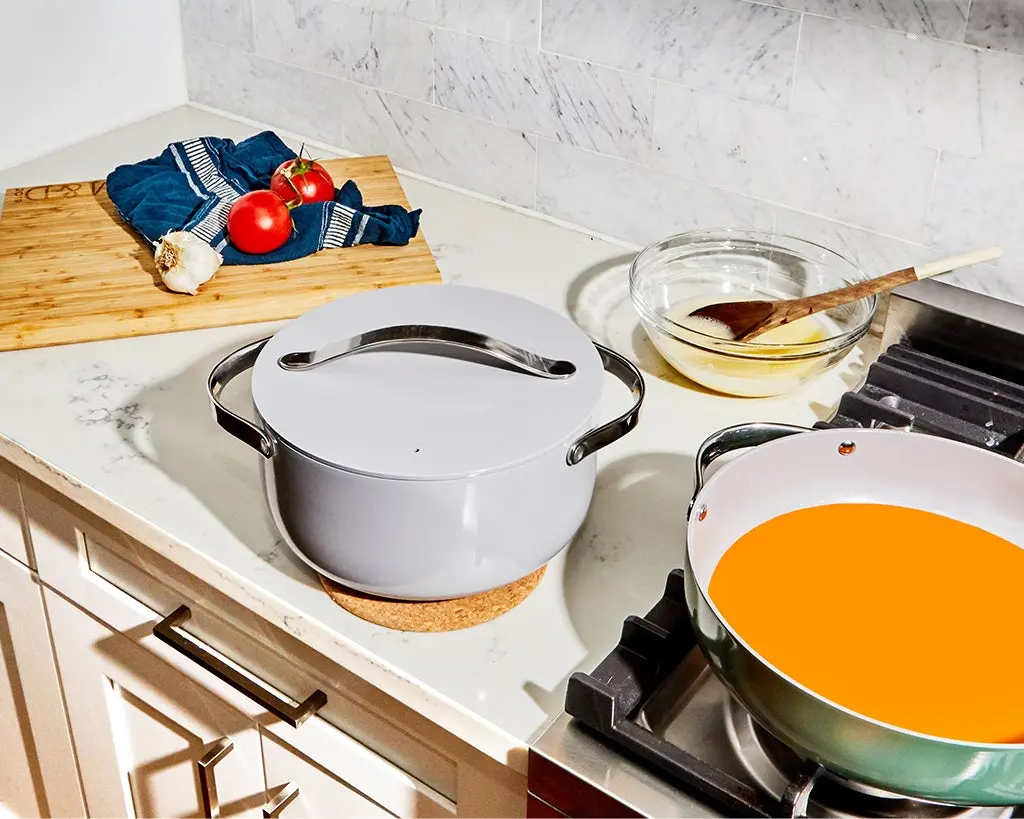
Credit: www.carawayhome.com
Frequently Asked Questions
Are Kitchen Oven Ceramic Coatings Safe To Use?
Yes, ceramic coatings in kitchen ovens are safe. They are non-toxic, heat-resistant, and free from harmful chemicals. Ceramic surfaces also prevent food from sticking and are easy to clean, making them a healthy and convenient choice for cooking appliances.
How Durable Are Kitchen Oven Ceramic Surfaces?
Kitchen oven ceramic surfaces are highly durable. They resist scratches, stains, and high temperatures effectively. With proper care, ceramic coatings can last for years without chipping or cracking, maintaining their smooth finish and enhancing oven longevity.
Do Ceramic Ovens Cook Food More Evenly?
Yes, ceramic ovens distribute heat evenly. The ceramic material retains and spreads heat uniformly, resulting in consistent cooking. This helps avoid hot spots and ensures your food is cooked thoroughly and evenly every time.
Can I Clean Ceramic Oven Surfaces Easily?
Absolutely, ceramic oven surfaces are easy to clean. Their smooth, non-porous finish prevents food buildup and stains. Use mild soap and a soft cloth to wipe down the surface, avoiding abrasive cleaners that could damage the ceramic coating.
Conclusion
Kitchen oven ceramics offer durability and even heat for cooking. They resist scratches and stains better than many materials. Cleaning them is usually easy and quick. These ovens can add style to your kitchen space. Consider your cooking needs and budget before choosing one.
Quality ceramic ovens often last longer and perform well. This makes them a practical choice for many homes. Choose wisely for a better cooking experience every day.


