


Are you wondering if a medication refrigerator can be placed in your employee kitchen? This question matters because storing medications properly is crucial for safety and effectiveness.
But mixing a medication fridge with everyday food storage might raise some concerns. You’ll discover important facts that could affect your workplace health and compliance. Keep reading to find out what you need to know before making a decision that impacts your team’s well-being.
Medication Refrigerator Basics
Understanding the basics of medication refrigerators is key if you’re thinking about placing one in an employee kitchen. These specialized fridges do more than just keep medicines cold—they protect their effectiveness and ensure safety. Knowing how they work and what they require helps you make smart decisions about their placement and use.
Purpose And Importance
Medication refrigerators are designed to store medicines at consistent, controlled temperatures. This prevents medicines from losing potency or becoming unsafe. You might not realize that some common drugs can quickly degrade if left in a regular kitchen fridge where temperatures fluctuate.
Imagine a vaccine or insulin exposed to improper conditions—it might not work as intended, risking patient health. Your role in maintaining the right environment ensures these medicines remain reliable. Have you checked if your kitchen fridge meets these strict needs?
Temperature Requirements
Most medication refrigerators must maintain temperatures between 2°C and 8°C (36°F and 46°F). This range keeps medicines stable without freezing them. Regular kitchen fridges often have temperature swings, especially when the door is frequently opened.
Temperature monitoring is critical. Many medication fridges come with built-in alarms or digital displays that alert you if temperatures move outside the safe zone. Would you trust your kitchen fridge to provide this level of control and monitoring?
Common Medication Storage Needs
Different medications have unique storage demands. Vaccines, insulin, certain antibiotics, and eye drops often need refrigeration. Some require strict temperature control, while others tolerate short periods outside the fridge.
Beyond temperature, consider avoiding cross-contamination. Storing food next to medicines can risk exposure to spills or odors. This is why dedicated medication refrigerators are recommended, even if space in the employee kitchen seems limited.

Credit: milky-mama.com
Safety Concerns In Employee Kitchens
Safety concerns arise when placing a medication refrigerator in an employee kitchen. These spaces are designed for food storage and preparation, not for medicines. Mixing medication storage with food areas can cause health and safety issues. Understanding these concerns helps maintain a safe workplace for all employees.
Cross-contamination Risks
Employee kitchens often have food particles and spills. These can contaminate medications stored in the same refrigerator. Bacteria from food can spread to medicine packaging. This risk may affect the effectiveness and safety of medications.
Cleaning routines in kitchens focus on food safety, not medication safety. This difference increases the chance of cross-contamination. Proper separation is necessary to avoid mixing medicines with food items.
Access Control And Security
Employee kitchens usually have open access to many people. This makes it hard to control who handles medications. Unauthorized access can lead to theft or misuse of medicines. Sensitive medications need restricted access to protect employee health.
Secure storage requires locked units and limited entry. Employee kitchens rarely meet these security standards. This lack of control risks medication safety and workplace compliance.
Hygiene And Cleanliness Issues
Kitchens are high-traffic areas with frequent food handling. This environment can expose medication refrigerators to dirt and germs. Regular cleaning for food safety may not cover medication-specific needs.
Improper hygiene around medication refrigerators can cause contamination. This risk affects both medication quality and employee health. Maintaining strict cleanliness is crucial in areas storing medicines.
Regulations And Guidelines
Storing medication in an employee kitchen refrigerator raises important questions about safety and compliance. Understanding the regulations and guidelines that govern medication storage is critical to avoid risks and legal issues. These rules ensure medications remain effective and employees stay safe.
Fda And Health Standards
The FDA provides clear guidance on how medications should be stored, emphasizing temperature control and contamination prevention. Medication refrigerators must maintain specific temperature ranges, typically between 2°C and 8°C, to keep drugs effective.
Mixing food and medication in the same fridge can risk contamination. Have you ever thought about how easy it is for bacteria from food to affect sensitive medications? Following FDA standards means using dedicated storage or strict organizational controls.
Workplace Safety Rules
Workplace safety rules often include requirements for medication storage to protect employees from accidental exposure or misuse. These rules might specify locked refrigerators, restricted access, or clear labeling to prevent confusion.
Imagine a scenario where an employee accidentally uses medication from a shared fridge thinking it’s their lunch item. Safety rules exist to prevent such mistakes and ensure a secure environment.
- Ensure the fridge is clearly marked for medication storage only.
- Limit access to authorized personnel.
- Regularly check temperature logs and maintenance records.
Local And State Requirements
Local and state laws can add layers of regulation beyond federal standards. These might include specific permits or additional safety inspections for medication storage in workplace kitchens.
In some areas, storing medication in employee kitchens is prohibited outright, while others allow it under strict conditions. Checking your local health department’s guidelines is essential before placing a medication refrigerator in a shared space.
Have you contacted your local authorities to verify these rules? Compliance starts with knowing what applies directly to your location.
Best Practices For Placement
Placing a medication refrigerator in an employee kitchen requires careful planning to maintain safety and compliance. The placement must prevent cross-contamination and ensure medications are stored under proper conditions. Let’s look at key best practices that help keep both your staff and medications safe.
Separate Storage Options
Keeping medications separate from food is crucial. You should use a dedicated refrigerator or a locked compartment within the kitchen fridge to avoid accidental mixing. This separation reduces the risk of contamination and helps maintain the integrity of the medications.
Think about a workplace where employees share a single fridge. It’s easy for food and medication to get mixed up, which can cause serious issues. Having clear physical boundaries makes it easier for everyone to respect storage rules.
Labeling And Signage
Clear labels and signs play a big role in preventing mistakes. Every medication container and fridge section should be visibly marked to indicate its purpose. This clarity helps avoid accidental access or misuse.
Use bold, easy-to-read labels that stand out. You might also add reminders about hygiene and handling protocols. Simple signs can encourage staff to follow safety measures consistently.
Temperature Monitoring Tools
Medications often require specific temperature ranges to stay effective. Use reliable temperature monitoring tools like digital thermometers or data loggers inside the fridge. These tools alert you if the temperature goes outside safe limits.
Regularly check and record temperature readings to spot trends or sudden changes. Some devices even send alerts to your phone or email. This proactive approach helps you act fast before any medication is compromised.
Employee Training And Awareness
Can a medication refrigerator be in an employee kitchen? It depends on safety regulations and storage guidelines. Proper training ensures employees know how to handle medicines and keep food safe.
Employee Training and Awareness Ensuring your team is well-informed about the medication refrigerator in the employee kitchen is crucial for maintaining safety and compliance. Awareness among employees can prevent mishandling and ensure the refrigerator serves its purpose effectively. Training sessions can empower your staff to handle medications responsibly and react appropriately in different scenarios.
Proper Handling Procedures
Training should cover the basics of handling medications stored in the refrigerator. Employees should know which medications are stored and how to access them safely. Clear labels and instructions can further assist in preventing errors.
Reporting And Maintenance
It’s essential to establish a system for reporting any issues with the refrigerator. Encourage employees to speak up if they notice irregularities like temperature fluctuations. Regular maintenance checks should be scheduled to ensure the refrigerator functions correctly and safely.
Emergency Protocols
Do your employees know what to do in case of a power outage or equipment failure? It’s vital to have emergency protocols in place. Training should include guidelines for these scenarios, ensuring quick action to protect the medications and maintain their efficacy. Incorporating these elements into your employee training will not only enhance safety but also build a culture of responsibility and awareness. Would your team know what to do in an emergency? Empower them with knowledge and watch them thrive.
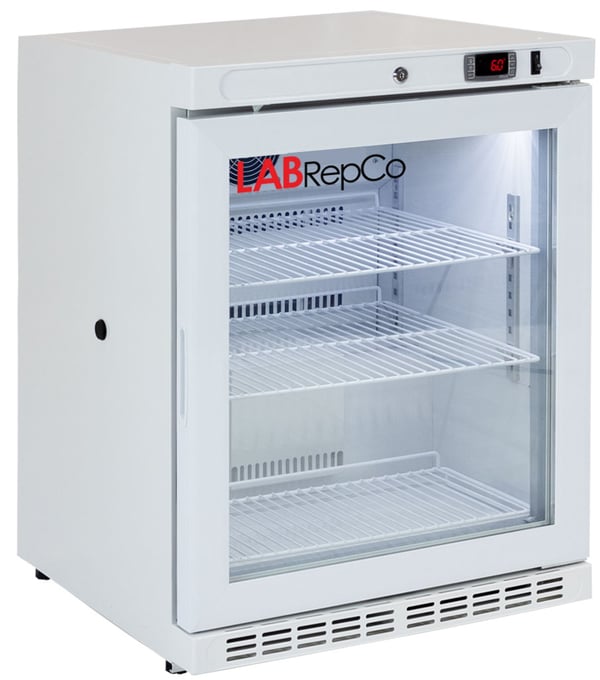
Credit: www.labrepco.com
Technology And Innovations
Technology has transformed how medication refrigerators operate, especially in shared spaces like employee kitchens. Innovations now ensure these appliances maintain strict temperature controls and security, even when placed outside traditional clinical areas. Understanding these advancements can help you decide if a medication refrigerator fits safely and efficiently in your workplace kitchen.
Smart Refrigeration Systems
Smart refrigeration systems use advanced sensors and microprocessors to regulate temperature precisely. These systems adjust cooling based on the contents inside, reducing energy waste while protecting sensitive medicines. Imagine a fridge that learns your storage patterns and optimizes itself—this technology makes that possible.
Remote Monitoring Features
Remote monitoring lets you check the fridge’s status from anywhere using your phone or computer. You can see real-time temperature data and receive alerts if conditions stray from safe ranges. This means you don’t have to be physically present to ensure your medication stays protected, which is ideal in a busy employee kitchen.
Alarm And Notification Systems
Alarms and notifications act as your first line of defense against medication spoilage. They sound off or send messages when temperature fluctuations occur or if the door is left open. These alerts help you respond quickly, preventing costly losses and maintaining compliance with storage regulations.
Case Studies And Examples
Understanding how medication refrigerators fit into employee kitchens requires real-world insights. Looking at actual case studies and examples can help you see what works and what doesn’t. These stories reveal practical challenges and solutions that might affect your setup.
Successful Implementations
One healthcare clinic placed a medication refrigerator in their staff kitchen with clear labeling and strict access controls. They used digital locks and posted guidelines on proper storage. This setup improved medication safety without disrupting the kitchen’s primary use.
Another example is a small pharmacy where the fridge was located in a break room but separated by a glass partition. Staff could access medications quickly, yet food contamination risks were minimized. Such thoughtful placement balances convenience and safety effectively.
Common Mistakes To Avoid
Many facilities store medication fridges next to regular food refrigerators without clear separation. This can lead to cross-contamination and confusion about what’s safe to consume. Mixing personal snacks with sensitive medicines puts everyone at risk.
Another frequent error is neglecting temperature monitoring when the fridge is in a busy kitchen. Without consistent checks, medications may spoil unnoticed. Also, failing to train staff on handling procedures often results in improper medication storage.
Lessons Learned
- Designate the medication fridge with clear signage and limit access to trained personnel only.
- Place the fridge away from food prep areas to reduce contamination risks.
- Implement regular temperature logs and quick alerts for any deviations.
- Educate your team about the importance of medication storage and handling rules.
Have you considered how your kitchen layout could affect medication safety? These case studies show it’s not just about having the fridge but managing its environment carefully. What steps will you take to avoid common pitfalls?

Credit: www.costco.ca
Frequently Asked Questions
Can Medication Refrigerators Be Placed In Employee Kitchens?
Medication refrigerators should not be placed in employee kitchens due to contamination risks. These areas lack proper temperature monitoring and security needed for storing medications safely.
What Are The Risks Of Storing Meds In Kitchen Refrigerators?
Storing medications in kitchen refrigerators risks contamination, inconsistent temperatures, and accidental misuse. It can compromise medication efficacy and safety, leading to potential health hazards.
How To Properly Store Medication Refrigerators At Workplaces?
Medication refrigerators should be in designated, temperature-controlled areas with restricted access. They must have temperature monitoring and alarms to ensure medication safety and compliance with regulations.
Are There Legal Rules For Medication Fridge Placement?
Yes, regulations often require medication refrigerators to be in secure, controlled environments. Placement in employee kitchens usually violates health and safety standards and pharmacy guidelines.
Conclusion
Storing medication in an employee kitchen fridge needs careful thought. Keep medicines safe and separate from food. Follow workplace rules and health guidelines strictly. Cleanliness and temperature control matter a lot. Always label medication clearly to avoid mix-ups. Ask a health expert if unsure about storage.
This helps protect both medicine and people. A proper setup keeps everyone safer and healthier. Simple steps can prevent big problems later. Choose a spot that suits safety needs best.


