


You love your KitchenAid attachments because they make cooking easier and more fun. But when it’s time to clean up, you might wonder: can these handy tools go in the dishwasher?
You don’t want to damage your attachments or waste time hand-washing if you don’t have to. Keep reading to find out exactly which KitchenAid attachments are dishwasher safe—and which ones need special care. This simple info will save you time, protect your tools, and keep your kitchen running smoothly.
Kitchenaid Attachments Overview
KitchenAid attachments expand the mixer’s abilities beyond just mixing dough or batter. These add-ons help with slicing, shredding, grinding, and more. They are designed to fit securely onto the mixer. Each attachment serves a unique kitchen task, making cooking easier and faster.
Knowing the types of attachments and their materials helps in cleaning and maintenance. Some parts are dishwasher safe, while others require hand washing. Proper care keeps attachments working well and lasting longer.
Common Types Of Attachments
- Food Grinder: Grinds meat, vegetables, and other ingredients.
- Slicer/Shredder: Cuts vegetables and cheese into thin slices or shreds.
- Pasta Roller and Cutter: Rolls dough and cuts it into pasta shapes.
- Ice Cream Maker: Churns and freezes homemade ice cream.
- Spiralizer: Creates spiral shapes from vegetables like zucchini.
- Citrus Juicer: Extracts juice from citrus fruits easily.
Materials Used In Attachments
- Stainless Steel: Common for blades and grinding plates. Durable and rust-resistant.
- Plastic: Used for housing parts and some rollers. Lightweight but less heat-resistant.
- Aluminum: Found in some rollers and cutters. Strong but may require careful cleaning.
- Rubber or Silicone: Used for seals and gaskets. Flexible and water-resistant.
Credit: www.amazon.com
Dishwasher Safety For Attachments
Understanding dishwasher safety for your Kitchen Aid attachments is essential to keep them in perfect condition. Not all parts are designed to withstand the heat and water pressure inside a dishwasher. Knowing which attachments are safe and which ones require hand washing can save you time and protect your investment.
Which Attachments Are Dishwasher Safe
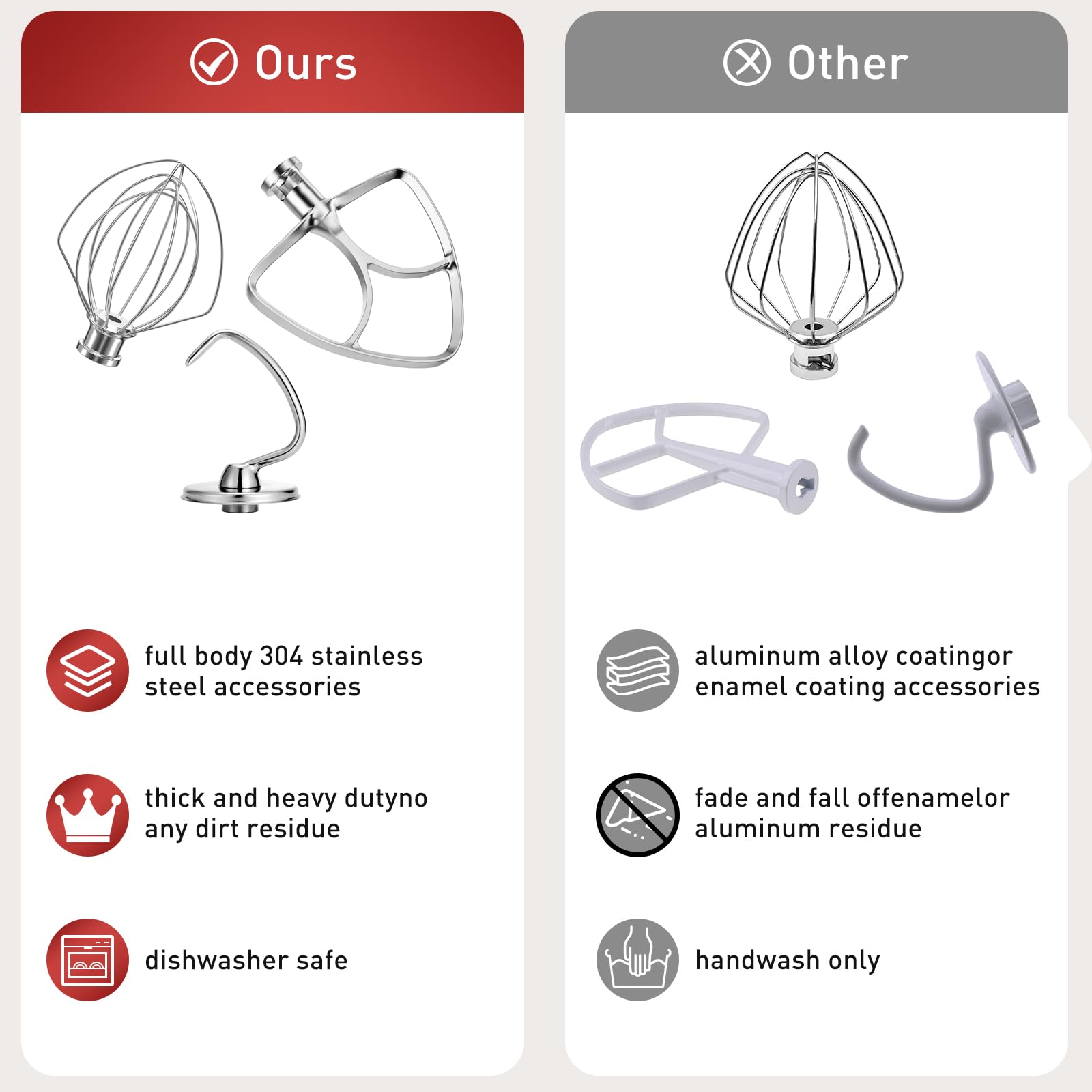
Many Kitchen Aid attachments are made from durable materials that can handle dishwasher cleaning. Attachments like stainless steel dough hooks, flat beaters, and wire whisks usually can go in the dishwasher’s top rack without any issues.
- Stainless steel components resist rust and corrosion well.
- Plastic parts marked “dishwasher safe” are generally okay on the top rack.
- Glass or metal bowls included with attachments are often dishwasher safe too.
However, placing these parts on the bottom rack or near heating elements can cause damage. Have you noticed your plastic parts warping after a dishwasher cycle? That’s a sign to switch to hand washing or place them higher in the dishwasher.
Attachments To Avoid Putting In Dishwasher
Some attachments are sensitive to heat and strong detergents, so avoid putting them in the dishwasher. Items like silicone spatulas, rubber gaskets, and electrical components should always be cleaned by hand.
- Attachments with electrical parts or motors can short circuit if exposed to water pressure.
- Plastic parts not labeled dishwasher safe may crack or fade over time.
- Non-stick coated parts lose their finish faster when exposed to harsh dishwasher detergents.
Have you ever experienced an attachment that looked fine before but deteriorated after dishwasher cleaning? That’s a clear sign it needs gentle care. Always check your attachment’s manual before deciding how to clean it.
Cleaning Tips For Dishwasher Safe Attachments
Cleaning Kitchen Aid attachments correctly keeps them working well for years. Knowing how to wash dishwasher safe parts saves time and effort. Follow simple tips to protect your attachments and keep them sparkling.
Pre-rinsing Techniques
Remove large food pieces from attachments before placing them in the dishwasher. A quick rinse under running water helps prevent clogs and buildup. Use a soft brush to clean crevices and tight spots. Avoid soaking attachments too long to protect metal parts.
Best Dishwasher Settings
Choose a gentle or normal wash cycle for dishwasher safe attachments. Avoid high heat drying to prevent damage to plastic or rubber components. Place attachments on the top rack to keep them away from direct heat. Use a mild detergent to maintain the finish and function of parts.
Credit: kitchpulse.com
Hand Washing Attachments
Some Kitchen Aid attachments are not dishwasher safe and require hand washing to maintain their quality and longevity. Knowing how to properly clean these attachments helps avoid damage and keeps them functioning well. Hand washing also gives you control over cleaning delicate parts that might get bent or rusted in a dishwasher.
Proper Hand Washing Methods
Start by detaching the attachment from the mixer before washing. Use warm water to rinse off any food particles immediately after use, preventing residue from drying and sticking.
Use a soft sponge or cloth to gently scrub the surfaces. Avoid abrasive scrubbers that can scratch or damage the finish. Pay close attention to crevices and moving parts where food tends to get trapped.
Rinse thoroughly with warm water to remove all soap. Dry the attachment completely with a clean towel or let it air dry on a rack to prevent rust. Do you notice how much smoother your attachments work when they’re clean and dry?
Recommended Cleaning Supplies
- Mild dish soap:Harsh chemicals can degrade the metal or plastic parts.
- Soft sponge or microfiber cloth:These help remove residue without scratching surfaces.
- Small brush or toothbrush:Useful for cleaning hard-to-reach areas and tiny crevices.
- Lint-free towel:Speeds up drying and reduces water spots.
Avoid bleach or strong detergents that can corrode metal components. Have you tried using a toothbrush for those tricky spots? It can make hand washing faster and more effective.
Maintaining Attachments For Longevity
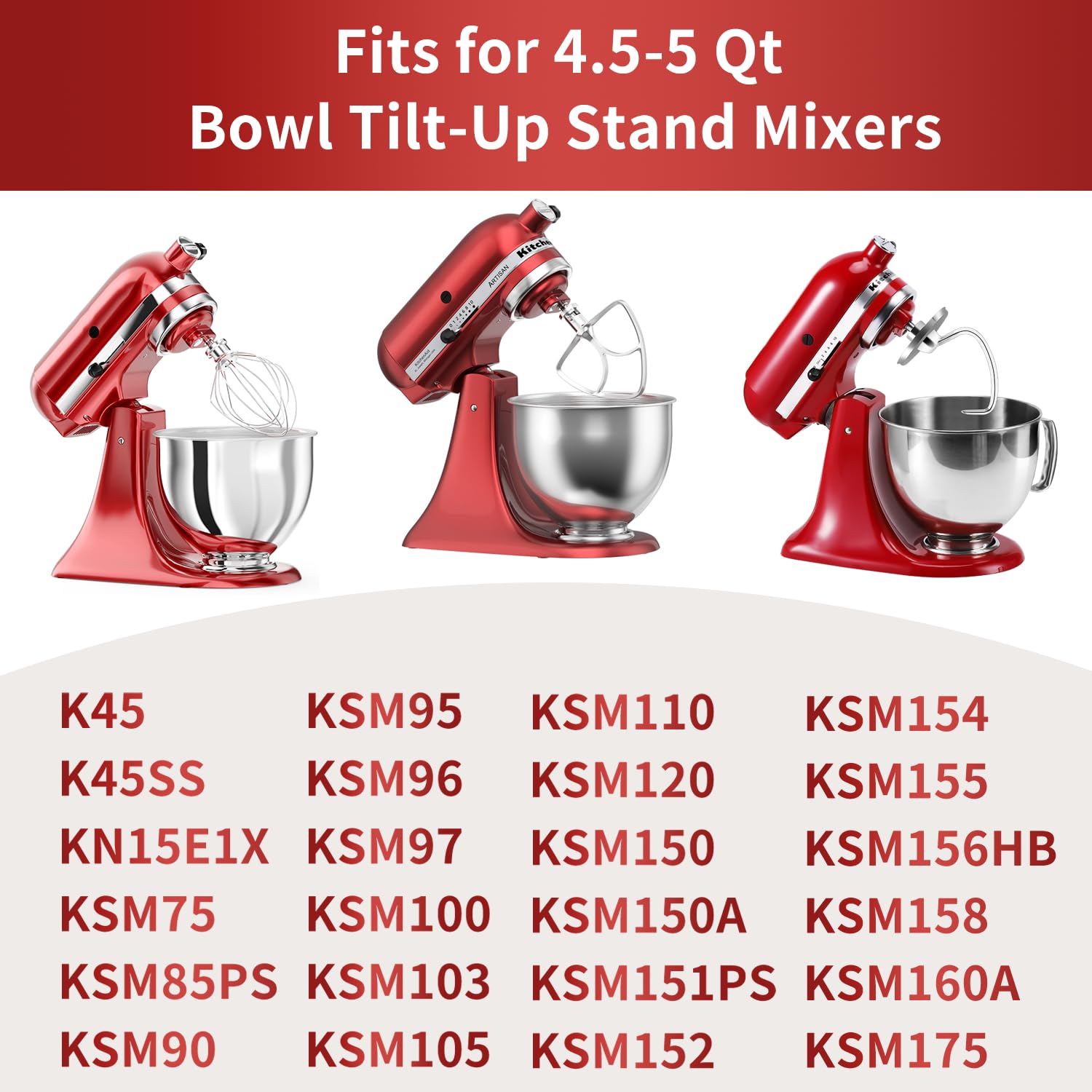
Kitchen Aid attachments usually last longer with gentle cleaning. Most can go in the dishwasher, but check the manual first. Avoid high heat to keep parts safe and working well.
Maintaining your KitchenAid attachments for longevity isn’t just about following the manufacturer’s instructions. It’s about understanding the little nuances that can make a big difference in how long these kitchen helpers last. Your attachments are more than just tools; they are the unsung heroes behind countless culinary creations. If you want them to serve you well for years to come, a little care goes a long way.
Storage Tips
Storing your KitchenAid attachments properly can extend their lifespan significantly. Keep them in a dry, cool place to prevent rust and corrosion. Consider using a dedicated drawer or cabinet space to avoid unnecessary wear and tear. Investing in protective covers or storage boxes can prevent dust and scratches. Stack them neatly to avoid bending or damaging delicate parts.
Regular Maintenance Practices
Regular maintenance is key to keeping your attachments in top shape. Always clean them immediately after use to prevent food residue from hardening. Use mild soap and warm water, avoiding abrasive sponges that can scratch surfaces. Dry thoroughly before storing to prevent moisture damage. Inspect your attachments regularly for any signs of wear or damage. Tighten any loose parts and ensure everything is in working order before you start your next cooking adventure. Are you guilty of neglecting these simple practices? Taking a few extra minutes for maintenance now can save you from costly replacements later. So, next time you’re tempted to skip the cleaning, think of the years of service your attachments can still offer.
Credit: www.amazon.com
Frequently Asked Questions
Can Kitchenaid Attachments Be Washed In A Dishwasher?
Most KitchenAid attachments are dishwasher-safe. However, always check the user manual for specific parts before placing them in the dishwasher. Some delicate or metal attachments may require hand washing to avoid damage.
Which Kitchenaid Attachments Should Not Go In The Dishwasher?
Attachments with sharp blades or electrical components should not be dishwasher cleaned. Hand washing preserves the quality and prolongs the attachment’s lifespan. Avoid dishwashing gears, motors, or attachments with wooden parts.
How To Clean Kitchenaid Attachments Safely?
For safe cleaning, detach the accessory from the mixer. Use warm, soapy water and a soft brush or cloth. Dry thoroughly before reattaching or storing to prevent rust or damage.
Does Dishwasher Detergent Harm Kitchenaid Attachments?
Dishwasher detergent can be harsh on some KitchenAid attachments. It may cause discoloration or corrosion. Use mild detergent and avoid high heat cycles to maintain attachment quality.
Conclusion
Most Kitchen Aid attachments are safe for dishwasher use. Always check the user manual first. Some parts, like motors or electrical components, should never go in the dishwasher. Hand washing these keeps them working longer. Use warm water and mild soap for cleaning.
Taking care of your attachments helps them last. Simple steps protect your investment and save time. Clean attachments make cooking easier and more fun. Keep your kitchen tools ready for every meal.


