


Are you wondering if you can put your KitchenAid mixer bowl in the dishwasher? You’re not alone.
Cleaning your mixer bowl quickly and safely is important, especially when you’ve just finished baking. But using the dishwasher might damage your bowl or affect its performance. You’ll discover the best way to clean your KitchenAid mixer bowl without risking any harm.
Keep reading to find out how to keep your mixer bowl spotless and in perfect shape for every recipe.
Dishwasher Safety For Mixer Bowls
Knowing whether you can safely put your Kitchen Aid mixer bowl in the dishwasher is crucial for keeping your kitchen tools in top shape. Not every mixer bowl is created equal, and their materials play a big role in how well they handle dishwasher cycles. Let’s look closely at what dishwasher safety means for your mixer bowl and what you should watch out for.
Material Types And Dishwasher Compatibility
Kitchen Aid mixer bowls commonly come in stainless steel, glass, and sometimes ceramic. Stainless steel bowls usually tolerate dishwasher cleaning well, but repeated exposure can dull their finish over time. Glass bowls can generally handle dishwashers but may chip if placed improperly or hit by other dishes.
Ceramic bowls, while beautiful, often require hand washing to avoid cracks or glaze damage. Have you noticed your stainless steel bowl losing its shine after a few dishwasher cycles? That’s a common result of harsh dishwasher detergents reacting with metal surfaces.
Manufacturer Recommendations
Kitchen Aid’s official guidance often suggests hand washing mixer bowls to preserve their finish and longevity. Even if a bowl is labeled dishwasher safe, the manufacturer might recommend gentle cycles or the top rack only. Following these instructions can save you from unexpected damage.
Before tossing your bowl into the dishwasher, check the user manual or the bottom of the bowl for dishwasher-safe markings. If you don’t have the manual handy, Kitchen Aid’s website offers clear care instructions that could prevent costly mistakes.
Common Risks Of Dishwasher Cleaning
Dishwasher cleaning can cause several issues, including scratches, discoloration, and weakened seals on mixer bowls. High water temperatures and aggressive detergents may degrade the bowl’s surface over time, especially if the bowl has any painted or polished finishes.
Think about whether the convenience of dishwasher cleaning outweighs the risk of shortening your bowl’s lifespan. Sometimes, a quick hand wash with mild soap and a soft sponge is the best way to keep your mixer bowl looking new and working perfectly for years.
Credit: kitchpulse.com
Hand Washing Vs Dishwasher
Deciding between hand washing and using a dishwasher for your KitchenAid mixer bowl often comes down to balancing convenience with care. Both methods can clean your bowl effectively, but they impact the bowl differently over time. Understanding these differences helps you make choices that keep your mixer bowl in great condition while fitting your lifestyle.
Benefits Of Hand Washing
Hand washing your KitchenAid mixer bowl allows you to be gentle with its finish and materials. You can use a soft sponge and mild detergent, avoiding abrasive scrubbers that might scratch the surface.
Rinsing and drying immediately after washing prevents water spots and keeps the bowl looking shiny. Plus, you get to inspect the bowl closely and remove any stubborn spots that a dishwasher might miss.
Have you noticed how some stains or residues seem to linger even after a dishwasher cycle? Hand washing gives you control to tackle those spots right away.
When Dishwasher Use Is Acceptable
Using a dishwasher occasionally is fine, especially if you’re short on time or need to clean multiple items at once. The upper rack is usually safer for the mixer bowl to avoid intense heat exposure from the dishwasher’s heating element.
Make sure to avoid harsh detergents with bleach or strong chemicals that can dull the bowl’s finish. Also, using a gentle or glassware cycle helps reduce the risk of damage.
Do you run your dishwasher on a high-heat drying cycle? Turning that off can protect your mixer bowl from unnecessary heat stress.
Impact On Bowl Longevity
Repeated dishwasher cycles can gradually wear down the finish and may cause discoloration over time. The heat and strong detergents can weaken the protective coating on the stainless steel.
Hand washing extends the life of your bowl by preserving its finish and structural integrity. You’ll notice fewer scratches and less dulling compared to frequent dishwasher use.
Think about how often you use your mixer bowl and decide whether the convenience of a dishwasher is worth the potential trade-off in longevity. What’s more important to you: saving time now or maintaining your bowl’s pristine look for years?
Cleaning Tips For Kitchenaid Mixer Bowls
KitchenAid mixer bowls are usually dishwasher safe, but check the manual to be sure. Hand washing helps keep the finish shiny and prevents damage. Use warm, soapy water and a soft cloth for best results.
Cleaning your KitchenAid mixer bowl effectively not only ensures its longevity but also keeps your culinary creations free from unwanted residues. While it might seem easy to toss it in the dishwasher, not all bowls are dishwasher safe, and improper cleaning methods could lead to damage. Let’s explore some practical cleaning tips that will help maintain the integrity and appearance of your mixer bowl.
Effective Cleaning Techniques
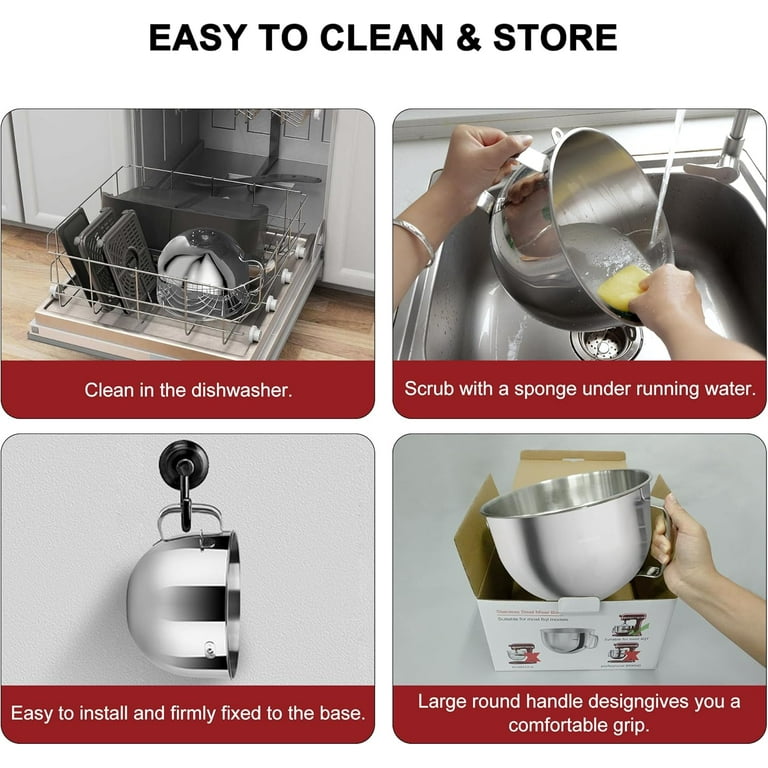
Hand washing your KitchenAid mixer bowl is often the safest bet. Use warm, soapy water and a soft sponge to gently clean the surface. Avoid abrasive scrubbers that might scratch the bowl, especially if it’s made of stainless steel or glass. Rinsing the bowl immediately after use can prevent food from drying and sticking, making the cleaning process much easier. If you’re dealing with particularly sticky ingredients, fill the bowl with warm water and let it soak for a few minutes before washing. For those who prefer the convenience of a dishwasher, check the manufacturer’s instructions to ensure your specific bowl model is dishwasher safe. Some materials might not withstand the intense heat and detergents used in dishwashers.
Avoiding Damage During Cleaning
To avoid damage, steer clear of harsh chemicals and bleach-based cleaners. These can corrode the surface and affect the bowl’s finish. Always dry the bowl thoroughly after washing to prevent water spots and maintain its shine. If your bowl has any plastic parts, like the base or handle, ensure these are kept away from high heat to prevent warping or melting. This is particularly crucial if you’re using a dishwasher. Remember, proper storage also plays a role in preventing damage. Keep the bowl in a cool, dry place, and avoid stacking heavy items on top of it to prevent dents or cracks.
Removing Stubborn Stains And Residue
Stubborn stains and residue can be frustrating, but a little patience and the right technique can work wonders. For tough stains, create a paste using baking soda and water. Apply it to the stained area and let it sit for a few minutes before gently scrubbing with a soft sponge. Vinegar is another household staple that can help remove residue, especially if you’re dealing with mineral deposits. Mix equal parts vinegar and water, and use a cloth to wipe the affected areas. For lingering odors or greasy residues, try a lemon juice solution. Lemon juice not only cuts through grease but also leaves your bowl smelling fresh. Simply mix lemon juice with a bit of water, wash the bowl, and rinse thoroughly. Have you discovered any unique tricks for keeping your mixer bowl spotless? Share your insights in the comments below!
Credit: www.amazon.com
Alternative Care Tips
Taking care of your KitchenAid mixer bowl goes beyond just cleaning it. Alternative care tips can help maintain its shine and functionality for years. These tips save you from damage and extend the life of your mixer bowl without relying on the dishwasher.
Proper Storage Practices
Storing your mixer bowl correctly prevents scratches and dents. Always dry the bowl completely before putting it away to avoid water spots and rust. Placing a soft cloth or paper towel between stacked bowls keeps them safe from rubbing against each other.
Think about your kitchen setup. Do you have a dedicated space for your mixer bowl? Keeping it in a cool, dry cabinet away from heavy items reduces accidental damage. If your kitchen has limited space, consider using bowl protectors or padded dividers for extra safety.
Routine Maintenance Suggestions
Regular maintenance keeps your bowl looking fresh and working well. After every use, wash the bowl with warm soapy water using a soft sponge or cloth. Avoid abrasive scrubbers that can scratch the surface.
Occasionally, give the bowl a gentle polish with a non-abrasive cleaner designed for stainless steel or aluminum, depending on your model. Have you checked your mixer bowl for small dents or discoloration lately? Addressing these early prevents bigger problems later.
Don’t forget to check the bowl’s attachment points. Wiping them clean and ensuring they fit properly on the mixer improves performance and safety. These small steps add up to a longer-lasting, more reliable kitchen tool.
Troubleshooting Dishwasher Issues
Dishwasher problems can be frustrating, especially when you’re trying to keep your Kitchen Aid mixer bowl spotless. Even if the bowl is dishwasher-safe, issues like cloudiness, discoloration, residue, or odors can pop up unexpectedly. Understanding how to troubleshoot these issues helps you maintain the bowl’s shine and hygiene without extra hassle.
Dealing With Cloudiness Or Discoloration
Have you noticed a cloudy film or strange discoloration on your mixer bowl after running it through the dishwasher? This often happens because of hard water deposits or harsh dishwasher detergents. To fix this, try adding a rinse aid to your dishwasher cycle to prevent mineral buildup and protect the bowl’s finish.
If cloudiness persists, soak the bowl in a mixture of white vinegar and warm water for 10-15 minutes. This natural acid breaks down mineral deposits safely. Avoid using abrasive scrubbers after soaking, as they might scratch the surface.
Handling Residue And Odors
Sometimes, food residue or odors linger even after a dishwasher cycle. This can be due to improper loading or not rinsing the bowl before placing it in the dishwasher. Always scrape off large food bits and rinse the bowl briefly to avoid trapped debris.
If your bowl smells off, try washing it with baking soda and warm water. Baking soda neutralizes odors without harsh chemicals. For stubborn smells, let the bowl air dry completely before storing it to prevent moisture buildup, which causes odors.
Credit: www.walmart.com
Frequently Asked Questions
Can I Wash My Kitchen Aid Mixer Bowl In The Dishwasher?
Yes, most Kitchen Aid mixer bowls are dishwasher safe. Use the top rack to avoid damage. Always check your specific model’s manual for confirmation.
Will Dishwasher Damage My Kitchen Aid Mixer Bowl?
Dishwasher use typically won’t damage a stainless steel Kitchen Aid bowl. However, repeated exposure to harsh detergents may dull the finish over time.
How Do I Clean My Kitchen Aid Mixer Bowl Properly?
Hand wash with warm soapy water for best results. Dry immediately to prevent water spots. Use the dishwasher only if the manual allows.
Are All Kitchen Aid Mixer Bowls Dishwasher Safe?
No, not all bowls are dishwasher safe. Stainless steel bowls generally are, but glass or ceramic bowls often are not dishwasher friendly.
Conclusion
The Kitchen Aid mixer bowl can usually go in the dishwasher. Check your model’s manual to be sure. Some bowls may lose their shine or get damaged over time. Hand washing with warm, soapy water is often safer. This keeps the bowl looking new and working well.
Taking care of your mixer bowl helps it last longer. Clean it gently and enjoy your cooking time. Simple steps make a big difference in the kitchen.


