


Are you wondering if you can use Microban Bathroom Cleaner in your kitchen? You’re not alone.
When it comes to cleaning, you want products that work well and keep your family safe. But bathroom cleaners often have strong ingredients, and you might worry about using them where you prepare food. What if the cleaner leaves harmful residues?
Or what if it doesn’t disinfect your kitchen surfaces properly? Keep reading to find out if Microban Bathroom Cleaner is a smart choice for your kitchen and how to use it safely. Your home’s cleanliness and safety depend on it.
Microban Bathroom Cleaner Basics
Understanding the basics of Microban Bathroom Cleaner is essential before deciding if it fits your kitchen cleaning needs. This cleaner is specifically designed for bathroom environments, but its composition and properties might make you wonder about its versatility.
Key Ingredients
Microban Bathroom Cleaner contains several active ingredients aimed at removing soap scum, grime, and bathroom-specific stains.
- Surfactants:These break down dirt and grease.
- Antimicrobial agents:Help prevent bacterial growth.
- Fragrance components:Leave a fresh scent after cleaning.
These ingredients are balanced to tackle bathroom messes efficiently, but they may not be formulated for kitchen residues like food grease or oils.
Intended Uses
Microban Bathroom Cleaner is made for bathroom surfaces such as sinks, tubs, tiles, and toilets. Its formula targets mold, mildew, soap scum, and hard water stains.
Using it on kitchen counters or appliances isn’t typically recommended since kitchen messes often involve food particles and grease that require different cleaning agents.
Would you want to rely on a bathroom cleaner to remove greasy kitchen spills effectively, or is a dedicated kitchen cleaner a better choice for your health and safety?
Antimicrobial Properties
One of Microban’s standout features is its antimicrobial technology, which inhibits the growth of bacteria and mold for up to 24 hours.
This ongoing protection is excellent in damp bathroom environments prone to germs.
However, in a kitchen setting, where surfaces are exposed to food and constant contamination, the antimicrobial effect may not be sufficient alone to ensure cleanliness and food safety.

Credit: www.amazon.com
Kitchen Cleaning Needs
Kitchens require careful cleaning to keep surfaces safe and hygienic. Grease, food scraps, and bacteria build up quickly. Regular cleaning removes these contaminants and prevents illness. Choosing the right cleaner matters. It must handle tough kitchen messes without damaging surfaces or leaving harmful residues.
Common Kitchen Contaminants
Kitchens have many common contaminants like:
- Grease and oil from cooking
- Food crumbs and spills
- Bacteria from raw meat and vegetables
- Mold and mildew in damp areas
These contaminants can spread germs and cause bad smells. Cleaning products must target all these effectively.
Surface Types In Kitchens
Kitchens contain different surfaces, each with unique needs:
- Countertops (granite, laminate, wood)
- Stovetops and ovens (metal, glass)
- Sink areas (stainless steel, ceramic)
- Cabinet doors (wood, painted surfaces)
Some surfaces are sensitive to harsh chemicals. Choose cleaners safe for all kitchen materials.
Food Safety Concerns
Food safety is vital in kitchens. Cleaners must not leave harmful residues on food prep areas. Bacteria and viruses must be killed without toxic effects. Always rinse surfaces well after cleaning. Avoid products that can contaminate food or cause allergic reactions.
Safety Considerations
Safety is the top priority when using any cleaner in the kitchen. The kitchen is where food is prepared, so using the right products is crucial. Some bathroom cleaners may contain chemicals unsafe for food areas. Understanding safety aspects helps protect your health and family.
Toxicity Risks
Microban bathroom cleaner contains chemicals designed to kill germs. These chemicals might be harmful if ingested or inhaled. Using it in the kitchen can increase exposure to toxins. Small amounts left on surfaces can cause health problems.
Children and pets are especially at risk. They may touch or lick treated surfaces. Avoid cleaners with strong chemicals in places where food touches.
Residue Impact On Food
Bathroom cleaners can leave residue after cleaning. This residue might mix with food or utensils. Consuming food contaminated with residues can cause stomach issues. Even small traces can affect taste and safety.
Proper rinsing is necessary to remove residue completely. Without it, the risk of contamination rises. Kitchen cleaners are made to leave no harmful residue behind.
Manufacturer’s Warnings
Always read the product label before use. Manufacturers provide safety instructions and usage areas. Microban bathroom cleaner labels usually warn against kitchen use. Ignoring these warnings can be dangerous.
Following instructions ensures safe and effective cleaning. Use products only as directed to avoid accidents. Trust the manufacturer’s guidance for the best results.
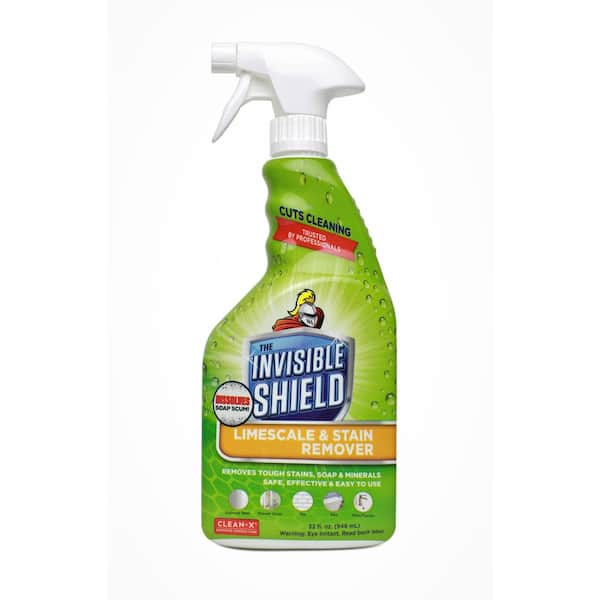
Credit: www.homedepot.com
Comparing Bathroom And Kitchen Cleaners
Cleaning products for bathrooms and kitchens often seem interchangeable. Yet, they serve different purposes. Understanding these differences helps in choosing the right cleaner. Let’s explore how bathroom and kitchen cleaners compare.
Formulation Differences
Bathroom cleaners often contain strong chemicals. These break down soap scum and mineral deposits. Ingredients like bleach are common. Kitchen cleaners focus on grease and food stains. They usually have milder formulations. This makes them safe for surfaces where food is prepared.
Effectiveness Against Germs
Both cleaners target germs. Bathroom cleaners might be stronger against bacteria. This is due to the moisture-rich environment. Kitchen cleaners also kill bacteria. They are designed to handle food-related germs. The effectiveness depends on the product’s active ingredients.
Suitability For Food Areas
Bathroom cleaners might not be safe for kitchen use. Some contain harsh chemicals not suitable for food areas. Kitchen cleaners are often safe for countertops and appliances. Always check the label for safety information. This ensures the product won’t contaminate food surfaces.
Alternatives For Kitchen Cleaning
Choosing the right cleaner for your kitchen is important for safety and hygiene. Some bathroom cleaners may contain chemicals not ideal for food areas. Finding alternatives designed for kitchen use helps keep your space clean and safe.
Many kitchen cleaners are made to tackle grease, food stains, and bacteria without harmful residues. Options include store-bought safe cleaners, natural products, and simple DIY solutions using common ingredients.
Safe Kitchen Cleaners
- Look for products labeled as kitchen-safe or food-safe.
- Choose cleaners that kill germs but are gentle on surfaces.
- Use sprays or wipes made for countertops and appliances.
- Check for non-toxic and biodegradable ingredients.
- Follow instructions for proper use and ventilation.
Natural Cleaning Options
- Vinegar helps remove grease and disinfects well.
- Baking soda works as a mild abrasive and deodorizer.
- Lemon juice cuts through stains and adds a fresh scent.
- Essential oils like tea tree oil have antibacterial properties.
- These options are safe around food and easy to find.
Diy Cleaning Solutions
- Mix equal parts water and vinegar in a spray bottle.
- Create a paste with baking soda and water for scrubbing.
- Combine lemon juice with olive oil for wood surfaces.
- Add a few drops of essential oils for extra cleaning power.
- Test homemade solutions on a small area before full use.
Best Practices For Using Bathroom Cleaner In Kitchen
Using a bathroom cleaner like Microban in the kitchen calls for care. The kitchen is a space where food is prepared. This means extra caution is needed to keep surfaces safe and clean. Following best practices helps prevent health risks and keeps your kitchen fresh.
Proper Dilution
Bathroom cleaners can be strong. Always check the label for dilution instructions. Diluting the cleaner reduces harsh chemicals. Use the right amount of water to avoid residue. Too strong a solution can harm kitchen surfaces or food safety. Use a spray bottle for even application.
Surface Rinsing
Rinse surfaces well after cleaning. This removes any leftover cleaner and chemicals. Use clean water and a cloth or sponge. Rinsing prevents chemical taste or smell on food areas. Make sure no residue stays on cutting boards, counters, or sinks.
Avoiding Cross-contamination
Use separate cloths and sponges for kitchen and bathroom. Clean kitchen tools only with kitchen cleaners or mild soap. Store cleaning products away from food and utensils. Wash hands thoroughly after cleaning to stop bacteria spread. These steps keep germs from moving between rooms.
Expert Opinions And Recommendations
Experts weigh in on using Microban Bathroom Cleaner in the kitchen with various perspectives. Understanding their insights helps you make safer and smarter cleaning choices. Let’s look at what health agencies, cleaning pros, and real users say.
Health Agency Guidelines
Health agencies generally recommend using cleaners specifically designed for food prep areas in the kitchen. Bathroom cleaners like Microban often contain chemicals not approved for surfaces that come into contact with food. This raises concerns about residue that might linger and affect your health.
You should always check product labels for safety instructions. If a bathroom cleaner is not labeled safe for kitchen surfaces, it’s best to avoid using it there. Agencies suggest opting for EPA-registered disinfectants that clearly state kitchen use.
Cleaning Professionals’ Advice
Cleaning professionals emphasize the importance of matching the cleaner to the surface and environment. Many agree that Microban Bathroom Cleaner is powerful on bathroom grime but can be too harsh for kitchen counters or cutting boards.
They recommend using kitchen-safe disinfectants to prevent cross-contamination and protect food safety. Some pros share that switching between different cleaners without rinsing well can cause chemical reactions or damage surfaces. Do you think your cleaning routine could benefit from a more tailored approach?
User Experiences
Users have mixed experiences with Microban Bathroom Cleaner in the kitchen. Some report effective stain and germ removal on kitchen tiles or sinks, praising its fresh scent and fast action. Others warn about lingering chemical smells and concerns about safety when food touches treated surfaces.
One user shared how switching to a kitchen-specific cleaner reduced their family’s allergic reactions. This highlights the importance of listening to your body and observing how your household responds. Have you noticed any reactions after using bathroom cleaners in food areas?
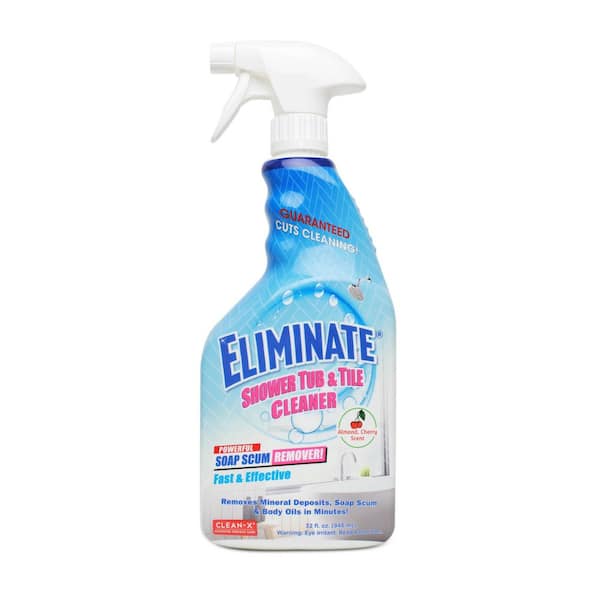
Credit: www.homedepot.com
Frequently Asked Questions
Can Microban Bathroom Cleaner Be Used On Kitchen Surfaces?
Microban Bathroom Cleaner is formulated for bathroom use and may not be ideal for kitchen surfaces. For food preparation areas, use cleaners specifically designed for kitchens to ensure safety and effectiveness.
Is Microban Bathroom Cleaner Safe For Kitchen Counters?
Microban Bathroom Cleaner is not recommended for kitchen counters. It may contain ingredients unsuitable for food-contact surfaces, potentially causing health risks if not rinsed properly.
Can Microban Bathroom Cleaner Disinfect Kitchen Areas?
While Microban Bathroom Cleaner has disinfecting properties, it is designed for bathrooms. For kitchens, use EPA-registered kitchen disinfectants to ensure proper sanitation and safety.
What Are The Risks Of Using Bathroom Cleaner In The Kitchen?
Using bathroom cleaner in the kitchen risks chemical contamination and potential health hazards. Different cleaners target specific germs and surfaces, so use kitchen-safe products to avoid risks.
Conclusion
Microban Bathroom Cleaner can clean some kitchen surfaces safely. Always read the label before using any cleaner. Some ingredients might not suit food areas. Use a separate cleaner for dishes and food prep. Cleaners made for kitchens are safer for germs there.
Keep your home clean and safe by choosing wisely. Small steps help keep your kitchen healthy every day.


