


Is your kitchen hood filter clogged with grease and grime? If you want your kitchen to stay fresh and your cooking safe, keeping that filter clean is a must.
But degreasing it can feel like a tough, messy job. Don’t worry—this guide will show you simple, effective ways to get your kitchen hood filter sparkling clean again. By following these easy steps, you’ll save time, avoid harsh chemicals, and keep your kitchen smelling great.
Ready to make your hood filter work like new? Let’s dive in!
Why Clean Kitchen Hood Filters
Keeping your kitchen hood filters clean is more than just a chore—it’s a crucial part of maintaining a safe and healthy cooking environment. Over time, grease and grime build up, reducing the filter’s effectiveness. You might not realize how much this affects your kitchen until you see the difference a clean filter makes.
Health And Safety Benefits
Dirty kitchen hood filters can become a fire hazard. Grease is highly flammable, and if it accumulates, it increases the risk of kitchen fires. Regular cleaning helps prevent this danger and keeps your cooking area safer.
Besides fire risks, clogged filters can harbor bacteria and mold. This can contaminate the air and surfaces in your kitchen, potentially causing health issues. Cleaning your filters regularly reduces these risks and supports a healthier cooking space.
Improved Air Quality
Your kitchen hood filter’s main job is to trap grease and smoke, keeping the air clean. When filters are clogged, they fail to do this properly, leaving your kitchen filled with unpleasant odors and airborne grease particles.
Have you noticed your kitchen walls turning sticky or your smoke detector going off more often? These are signs your filter needs attention. Cleaning it regularly improves air circulation, making your kitchen fresher and more comfortable.
Extending Filter Lifespan
Filters that aren’t cleaned often wear out faster. Grease and dirt build-up put extra strain on the filter, causing damage that reduces its efficiency. Taking time to clean your filters can save you money by delaying the need for replacements.
Think of it as simple maintenance—just like changing oil in a car. When you care for your kitchen hood filter, it performs better and lasts longer. This means fewer expenses and less hassle in the long run.

Credit: food52.com
Tools And Materials Needed
Cleaning a kitchen hood filter needs the right tools and materials. Using proper items makes the task easier and more effective. Prepare everything before starting to avoid interruptions. Here’s what you need for degreasing your kitchen hood filter.
Degreasing Solutions
- Commercial degreaser sprays made for kitchen use
- Dish soap with grease-cutting power
- Baking soda mixed with water for a natural cleaner
- White vinegar as a mild acid to break down grease
Choose a solution that suits your preferences. Stronger solutions remove heavy grease faster.
Scrubbing Brushes And Cloths
- Soft-bristle brush to reach corners without damage
- Stiff-bristle brush for tough grease spots
- Non-abrasive sponges to avoid scratching
- Microfiber cloths for wiping and drying the filter
Different brushes help clean various parts of the filter better.
Protective Gear
- Rubber gloves to protect your hands from chemicals
- Safety goggles to shield eyes from splashes
- Old apron or clothes to avoid stains
Protect yourself to keep the cleaning process safe and comfortable.
Preparing The Filter For Cleaning
Remove the kitchen hood filter carefully to avoid damage. Let it cool down before handling. Gather cleaning supplies like hot water, detergent, and a soft brush.
Preparing the filter for cleaning is a crucial step in maintaining a functional kitchen hood. A clean filter improves air quality and keeps the cooking area fresh. Follow these simple steps to ensure your kitchen hood filter is ready for effective cleaning.
Removing The Filter Safely
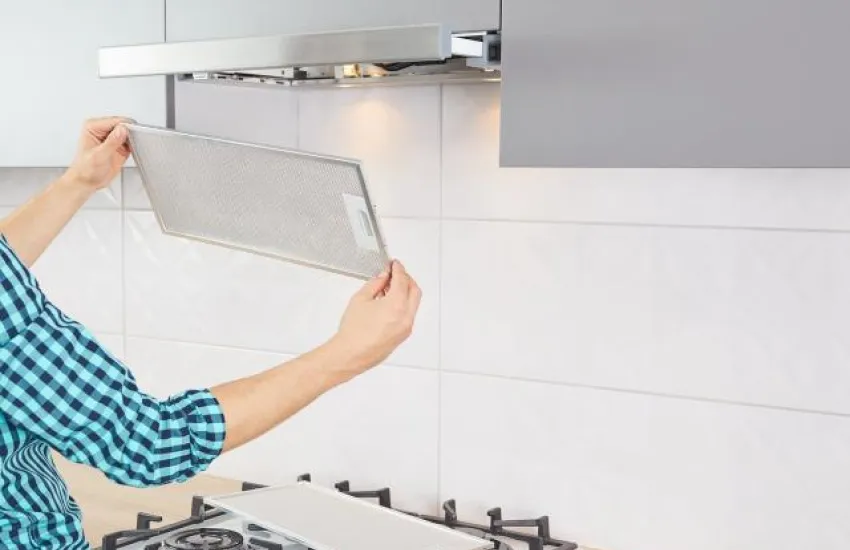
Begin by turning off the kitchen hood. Ensure no power is flowing to avoid accidents. Look for the clips or latches holding the filter. Use a screwdriver if needed. Carefully detach the filter without forcing it. Check for any damage or wear. If damaged, consider a replacement.
Initial Rinse To Loosen Grease
Take the filter to the sink. Use warm water for the first rinse. Let the water run over both sides of the filter. This helps loosen the grease and grime. Avoid using cold water. Cold water may not be effective in breaking down the grease. Repeat the rinse until you see grease washing away.

Credit: www.realtor.com
Effective Degreasing Techniques
Degreasing your kitchen hood filter effectively can transform your cooking space and improve air quality. The key lies in using techniques that break down grease without damaging the filter material. Let’s dive into practical ways you can clean your filter thoroughly and with ease.
Soaking The Filter
Start by soaking your kitchen hood filter in hot water mixed with a strong degreasing dish soap. This helps loosen the layers of grease stuck in the mesh. Make sure the water is hot enough to break down oils but not boiling to avoid warping the filter.
Let the filter soak for at least 15 to 30 minutes. This gives the soap time to penetrate the grease. You’ll notice the grime softening, which makes the next steps much easier.
Scrubbing Stubborn Grease
After soaking, grab a non-abrasive scrub brush or an old toothbrush. Focus on scrubbing areas where grease has built up heavily. Scrubbing in circular motions helps lift the grease from hard-to-reach corners.
If you find certain spots still resisting, don’t rush. Apply a little more degreasing soap directly and scrub again. It’s a simple step, but patience here saves time and effort later.
Using Baking Soda And Vinegar
For an eco-friendly option, sprinkle baking soda over the filter and then spray or pour vinegar on top. The bubbling action acts like a natural cleaner that breaks down grease effectively.
Leave this mixture on the filter for about 10 minutes, then rinse with warm water. You’ll be surprised how this combo tackles grease without harsh chemicals, making your cleaning safer and just as efficient.
Rinsing And Drying The Filter
Rinsing and drying the kitchen hood filter is a key step in its cleaning process. Removing all soap and grease residues helps maintain the filter’s efficiency. Proper rinsing prevents buildup that can cause odors and reduce airflow.
Drying the filter thoroughly is just as important. Moisture left on the filter can lead to rust or mold growth. Use the right drying methods to keep the filter clean and ready for use.
Thorough Water Rinse
Rinse the filter under warm running water. Use a strong stream to wash away loosened grease and soap. Make sure water flows through all filter layers to remove trapped dirt.
- Hold the filter at an angle to let water reach all surfaces.
- Use a soft brush if needed to remove stubborn grease spots.
- Rinse until the water runs clear, showing no soap suds.
Proper Drying Methods
Shake off excess water gently. Pat the filter dry with a clean cloth or towel. Avoid rubbing hard, which can damage the filter mesh.
- Air-dry the filter by placing it upright in a well-ventilated area.
- Allow at least a few hours for complete drying before reinstalling.
- Do not use direct heat sources like hairdryers or ovens to speed drying.
Credit: cltappliance.com
Reinstalling The Filter
Reinstalling the kitchen hood filter is a crucial step after degreasing. Proper placement ensures the hood works effectively. Careful reinstallation prevents damage and maintains good airflow. Follow simple steps to fit the filter back perfectly.
Ensuring Correct Placement
Start by aligning the filter with the slots or hooks inside the hood. Check the filter’s shape and size to match the compartment. Gently slide or snap the filter into place without forcing it. Secure the filter fully to avoid any gaps. Proper fit keeps grease from escaping and blocks smoke well.
Final Inspection
Look closely at the filter’s edges for a tight fit. Wiggle the filter slightly to confirm it stays in place. Make sure no parts are loose or hanging. Clean the surrounding area before turning the hood on. A final check helps avoid noise and keeps the kitchen fresh.
Tips To Maintain A Clean Filter
Keeping your kitchen hood filter clean is essential for a safe and efficient cooking environment. Grease buildup not only reduces the filter’s effectiveness but can also pose fire hazards. You can extend the life of your filter and maintain better air quality by following simple maintenance tips.
Regular Cleaning Schedule
Set a specific day each week or month to clean your filter. Consistency helps prevent grease from hardening and becoming difficult to remove.
If you cook often or prepare greasy foods, clean your filter more frequently. You might find every two weeks works better than once a month in busy kitchens.
Keep a reminder on your phone or calendar. This small habit ensures your filter never gets neglected, saving you time and effort later.
Avoiding Excessive Grease Build-up
Use range hoods every time you cook to trap grease before it settles on the filter. Turning it on a bit earlier can catch grease right from the start.
Clean up spills and splatters on stovetops immediately. Less grease in the air means less grease on your filter.
Consider installing a pre-filter or grease-catching pads. These simple additions can trap large grease particles, reducing how often you need to deep clean the main filter.
Frequently Asked Questions
How Often Should I Degrease My Kitchen Hood Filter?
You should degrease your kitchen hood filter every 1 to 3 months. Frequent cleaning prevents grease buildup and maintains airflow. More frequent cleaning is needed with heavy cooking or frying.
What Household Items Effectively Degrease Hood Filters?
Hot water, dish soap, baking soda, and vinegar effectively degrease hood filters. These items break down grease safely and are environmentally friendly. Avoid harsh chemicals that may damage filters.
Can I Use A Dishwasher To Clean Hood Filters?
Yes, many metal hood filters are dishwasher-safe. Use a gentle cycle with hot water and detergent. Avoid washing charcoal or non-metal filters in the dishwasher.
Why Is Regular Hood Filter Cleaning Important?
Regular cleaning prevents grease fires and improves kitchen air quality. It also extends the filter’s lifespan and ensures efficient ventilation. Neglecting cleaning risks clogs and odors.
Conclusion
Keeping your kitchen hood filter clean helps maintain good air quality. Regular degreasing prevents grease buildup and fire risks. Use simple household items for safe, effective cleaning. Clean the filter every few weeks to keep it working well. A clean filter also helps your kitchen stay fresh and tidy.
Taking these small steps saves time and money in the long run. Healthy kitchen, happy cooking!


