


You’ve just washed your dishes, and now comes the tricky part: drying them in your open kitchen. It might seem simple, but getting it right can save you time, keep your space tidy, and even protect your dishes from water spots or damage.
If you’ve ever felt frustrated with cluttered countertops or slow drying times, this guide is made for you. Keep reading to discover easy, practical tips that will help you dry your dishes quickly and efficiently—without spoiling the look of your beautiful open kitchen.
Your clean, sparkling dishes are just a few steps away!
Choosing The Right Drying Method
Choosing the right drying method in an open kitchen is more than just a routine task—it affects your kitchen’s hygiene, efficiency, and even the overall vibe of the space. The method you pick can save you time and reduce clutter while keeping your dishes spotless. Have you ever noticed how some drying setups make your kitchen feel calm and organized, while others add chaos?
Air Drying Vs. Towel Drying
Air drying is simple and hands-off. You just place your dishes in a well-ventilated area and let nature do the work. This method lowers the risk of spreading bacteria since you’re not touching the dishes with potentially damp towels.
However, towel drying gives you immediate use of your dishes and cuts down on water spots. The key is to use a clean, dry towel and replace it often. Have you tried using microfiber towels? They absorb water quickly and leave no lint behind, making your dishes shine.
Think about your kitchen’s airflow and how quickly you need your dishes ready. If you’re rushed, towel drying might suit your pace better. If you prefer a low-touch approach, air drying might be your best friend.
Using Dish Racks Effectively
A well-designed dish rack can transform your drying experience. Position it near the sink to catch drips and keep counters dry. Make sure it has separate sections for plates, cups, and utensils to prevent overcrowding.
Look for racks with drainage systems that direct water back into the sink—this keeps your countertop clean and dry. I once switched to a tiered rack, and it doubled my drying space without taking up more counter room.
Ask yourself: does your dish rack make it easy to grab what you need quickly? If not, rearranging or upgrading it might save you time and frustration every day.
Optimizing Airflow In Open Kitchens
Optimizing airflow in open kitchens plays a crucial role in drying dishes efficiently. Good air circulation speeds up evaporation, reducing water spots and the chance of bacterial growth. You can create a more comfortable and hygienic kitchen environment just by paying attention to how air moves around your drying area.
Positioning Dishes For Faster Drying
Arrange your dishes so air flows freely around each item. Avoid stacking plates or cups directly on top of each other, as trapped moisture slows drying.
Try spacing items with enough gap to let air circulate on all sides. Standing plates upright and placing bowls at a slight angle helps water drain quickly.
Have you noticed how a tilted glass dries faster than one lying flat? Use this to your advantage by positioning items to encourage natural drainage.
Utilizing Fans And Ventilation
Adding a small fan near your drying rack can dramatically boost airflow and cut drying time. Point the fan so it circulates air gently without blowing water droplets off dishes.
Make sure your kitchen’s ventilation system is working well to remove humid air. If you have windows, open them during and after washing to refresh the air.
Even a ceiling fan or range hood running on low can help move air around. Have you tried turning on your exhaust fan just for dish drying? It can make a noticeable difference.
Maintaining Hygiene While Drying
Keep dishes clean by using a clean drying rack and fresh towels. Avoid placing wet dishes near open food to stop germs. Let air flow freely to help dishes dry faster and stay fresh.
Maintaining hygiene while drying dishes is essential in an open kitchen. Clean dishes ensure your family stays healthy. Focus on hygiene to prevent bacteria and germs.
Cleaning Drying Surfaces Regularly
Clean your drying surfaces every day. Use mild soap and warm water. Dry the area with a clean towel. This prevents bacteria growth. Check for any food particles left behind. Remove them immediately. A clean surface keeps dishes germ-free.
Avoiding Cross-contamination
Separate different types of dishes. Avoid stacking them together. Use separate drying racks for utensils and plates. Keep cutting boards away from other dishes. This reduces the risk of cross-contamination. Use a clean towel for each drying session. Change towels frequently to maintain hygiene.

Credit: food52.com
Materials And Tools For Quick Drying
Drying dishes quickly in an open kitchen depends heavily on the right materials and tools. These choices affect not only the drying speed but also the hygiene and overall kitchen experience. Selecting the proper towels and mats can save you time and keep your kitchen tidy without extra effort.
Choosing Absorbent Towels
Not all kitchen towels are made equal. Look for towels made from microfiber or 100% cotton—they soak up water fast and leave dishes streak-free. Avoid thin or rough fabrics that push water around instead of absorbing it.
Think about how often you wash your towels too. Thick, plush towels absorb better but take longer to dry themselves. Having several on hand ensures you always have a dry one ready.
Do you prefer a towel that dries your dishes quickly or one that lasts longer? Balancing absorbency with durability makes a big difference in daily kitchen routines.
Using Quick-dry Mats And Trays
Quick-dry mats are designed to allow air circulation under your dishes, speeding up evaporation. Silicone mats with raised ridges or mesh patterns prevent water pooling, keeping your dishes dry and your countertop clean.
Tray options with built-in drainage channels direct water away from dishes, reducing drying time. Some trays even come with removable drip trays for easy cleaning.
Consider the size of your drying area. Do you need a compact mat for a small space or a large tray to handle more dishes? Matching your mat or tray to your kitchen layout ensures efficiency and convenience.
Tips For Drying Different Types Of Dishes
Drying dishes properly helps keep your kitchen clean and prevents water spots. Different dishes need different drying methods to avoid damage and speed up drying. Use the right technique for each type to keep your dishes safe and spotless.
Glassware And Cups
Place glassware upside down on a drying rack. This lets water drain out easily. Use a soft cloth to dry any spots or streaks. Avoid stacking glasses to prevent scratches and cracks. For delicate cups, dry gently by hand with a microfiber towel.
Plates And Bowls
Arrange plates and bowls on their sides in the drying rack. This helps air flow and stops water from pooling. Use a clean towel to dry edges and bottoms fast. Avoid piling plates to reduce chipping risks. For bowls, tilt them slightly to drain water completely.
Cutlery And Utensils
Place cutlery handles down in a separate holder or container. This keeps tips clean and helps water drain. Spread spoons, forks, and knives apart to dry evenly. Use a cloth to wipe sharp edges carefully. For wooden utensils, dry immediately to prevent warping or cracking.
Credit: www.tasteofhome.com
Preventing Water Spots And Streaks
Water spots and streaks make dishes look less clean and dull. Preventing these marks keeps your dishes shiny and fresh in an open kitchen. Simple habits can stop spots before they form, saving time and effort.
Proper Rinsing Techniques
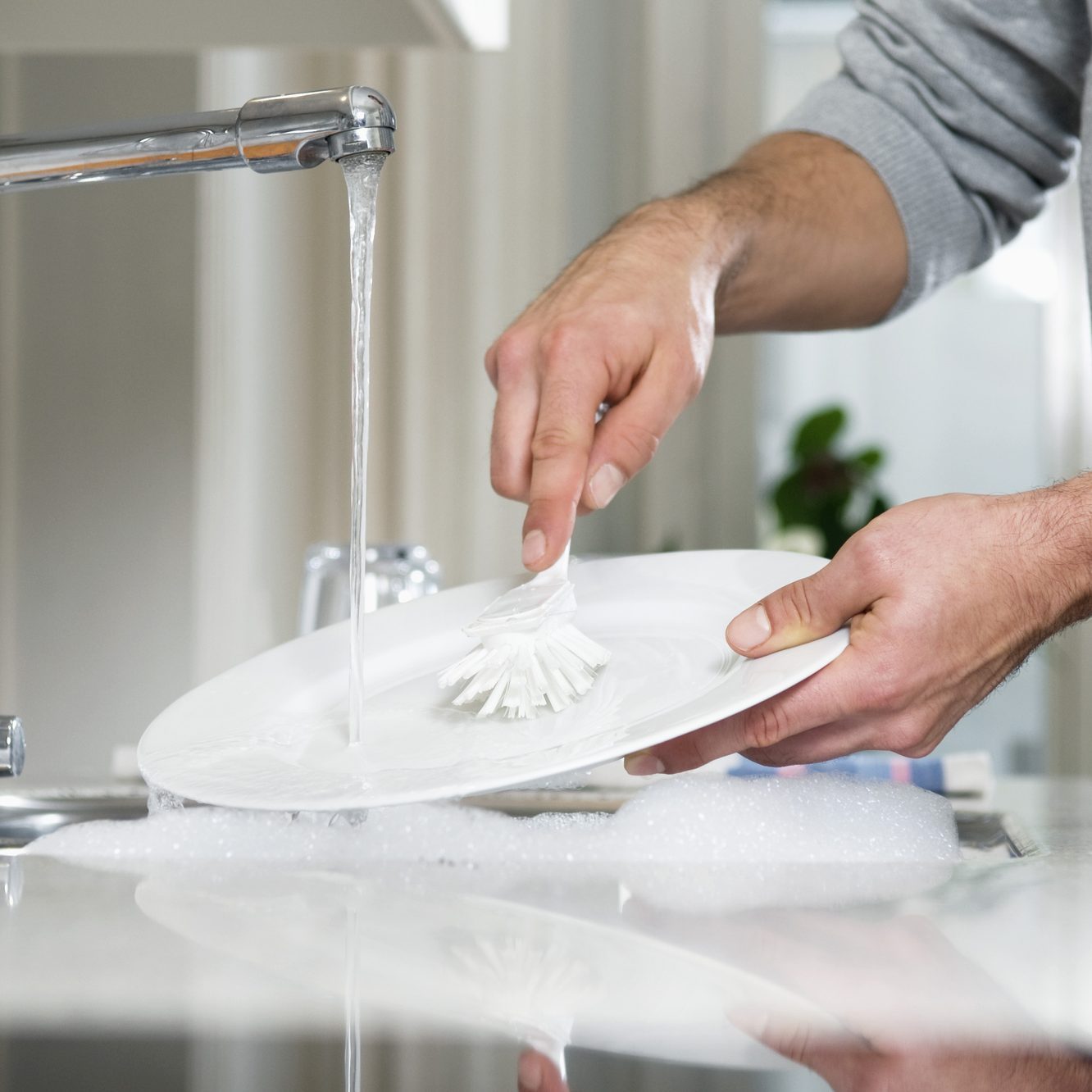
Rinse dishes with warm water to remove soap and food residue completely. Use a steady stream to wash away tiny particles that cause spots. Avoid letting dishes air dry with leftover water droplets. Shake off excess water or wipe dishes gently with a clean cloth. Focus on edges and corners where water tends to gather.
Using Vinegar Or Rinse Aids
Vinegar acts as a natural rinse aid to prevent spots. Add a small amount of white vinegar to the final rinse water. It helps dissolve minerals that leave streaks on dishes. Commercial rinse aids work similarly and are easy to use. Both options improve drying and give dishes a clear, spotless finish.
Time-saving Drying Practices
Saving time while drying dishes in an open kitchen can make your daily routine smoother. Instead of letting wet dishes pile up, you can adopt smart drying habits that keep your space tidy and your workflow efficient. These quick practices help you spend less time at the sink and more time on things that matter.
Drying In Batches
Try grouping similar dishes together and drying them all at once. For example, start with all the plates, then move on to glasses, and finally utensils. This method reduces the constant shifting between different types of dishes and helps you focus your drying effort.
Batch drying also allows you to use a designated drying rack or towel more effectively. You can stack dishes neatly without overcrowding, which speeds up drying time. Have you noticed how drying a few items at a time feels less overwhelming than tackling everything at once?
Multi-tasking While Dishes Dry
While your dishes air dry or sit on a drying rack, use that time to knock out other small kitchen tasks. Wiping down counters, organizing utensils, or prepping ingredients can all happen during this window. This approach maximizes your productivity without feeling rushed.
Think about how much easier meal prep becomes when you stay ahead of cleanup. Instead of watching dishes drip-dry, you’re actively managing your kitchen space. What small job can you handle next time your dishes are drying?

Credit: www.goodhousekeeping.com
Frequently Asked Questions
How To Dry Dishes Quickly In An Open Kitchen?
To dry dishes quickly, use a clean, absorbent dish towel or air dry on a dish rack. Ensure good ventilation and sunlight if possible to speed up drying and reduce moisture buildup.
What Is The Best Dish Rack For Open Kitchens?
Choose a dish rack with good drainage and rust-resistant material. Stainless steel or bamboo racks work well. They allow airflow, preventing water pooling and keeping dishes dry in open kitchen spaces.
Can I Air Dry Dishes Without A Rack?
Yes, you can air dry dishes by placing them on a clean, dry cloth. Arrange dishes to allow airflow between them. This method works well if you lack a dish rack in your open kitchen.
How To Prevent Water Spots On Dishes In Open Kitchens?
To prevent water spots, use filtered water for rinsing and wipe dishes with a microfiber cloth. Good air circulation helps dishes dry faster, reducing the chance of spots forming in open kitchen areas.
Conclusion
Drying dishes in an open kitchen can be simple and quick. Use a clean towel or let air do its work naturally. Place dishes where air flows well to avoid water spots. Keep your drying area tidy to save space and time.
These easy steps help keep your kitchen clean and fresh. Try them daily for better results and less hassle. Clean dishes, happy kitchen.


