


Are you ready to upgrade your kitchen by installing a dishwasher right next to your cabinets? It might seem tricky at first, but with the right steps, you can do it yourself and save time and money.
Imagine the convenience of having a dishwasher perfectly fitted into your kitchen, making cleanup faster and your space look seamless. In this guide, you’ll learn exactly how to install your dishwasher with your kitchen cabinets, step by step. Keep reading, and you’ll soon have the skills to transform your kitchen with ease.
Preparing The Space
Getting your space ready before installing a dishwasher is crucial for a smooth fit and hassle-free setup. Proper preparation helps avoid surprises and ensures your new appliance fits perfectly within your kitchen cabinets. Let’s focus on the key steps that set you up for success.
Measuring The Cabinet Opening
Accurate measurements are your best friend here. Use a tape measure to check the height, width, and depth of the cabinet opening where the dishwasher will go. Don’t just measure once—take each measurement twice to avoid errors.
Keep in mind that dishwashers generally require a standard opening of about 24 inches wide, but this can vary. Are you sure your cabinet space matches your dishwasher’s size? Even a half-inch difference can cause problems during installation.
Clearing The Area
Clear everything out from under the counter and around the cabinet opening. Remove any baseboards, trim, or obstacles that might block the dishwasher’s path. This gives you room to maneuver and protects your cabinets from damage.
Think about the plumbing and electrical lines too—are they accessible and ready? Clearing the area also means cleaning up any dust or debris, which keeps your work environment safe and neat.
Gathering Tools And Materials
Having the right tools on hand saves you from frustrating interruptions. Common tools you’ll need include a screwdriver, adjustable wrench, level, and possibly a drill. Don’t forget safety gear like gloves and goggles.
Beyond tools, make sure you have all the installation materials ready: the dishwasher’s mounting brackets, water supply lines, drain hoses, and electrical connectors. Missing parts can delay your project and increase stress.
Removing The Old Dishwasher
Removing your old dishwasher is the first major task before installing a new one. This step requires careful attention to avoid damage to your kitchen cabinets and plumbing. Taking your time here will save you from unexpected repairs later.
Disconnecting Power And Water
Safety is the priority when disconnecting your old dishwasher. Start by turning off the power supply at the circuit breaker to avoid any electric shock. Then, shut off the water valve connected to the dishwasher to prevent leaks.
Next, unplug the dishwasher if it has a power cord or carefully disconnect the hardwired electrical connection. Use a voltage tester to double-check that no electricity is flowing before moving on. Detach the water supply line using an adjustable wrench, and be ready with a towel to catch any drips.
Detaching From Cabinets
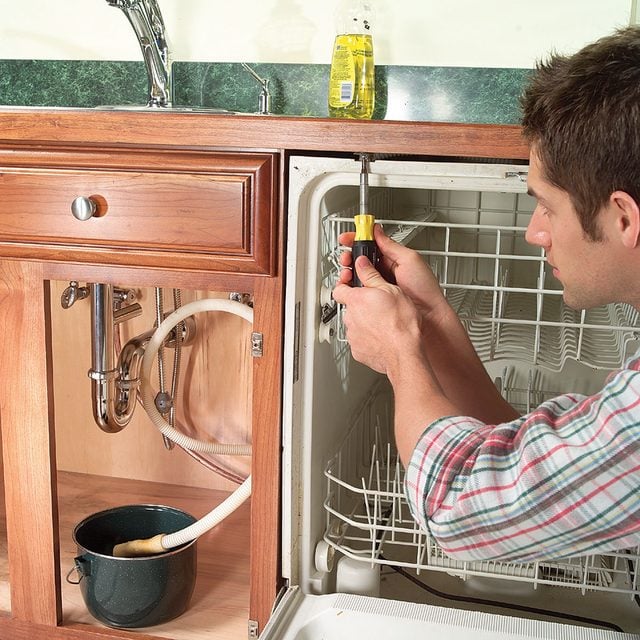
Your dishwasher is usually secured to the cabinets or countertop with screws or brackets. Look inside the dishwasher door frame to find these fasteners. Removing them requires a screwdriver, but be gentle to avoid stripping the screws.
Sometimes, the dishwasher might be sealed with caulk or adhesive around the edges. Use a utility knife to carefully cut through any seals so you don’t damage your cabinets. If the unit feels stuck, a light tap can help loosen it without causing harm.
Extracting The Unit
Once disconnected and detached, it’s time to pull the dishwasher out. Open the dishwasher door fully and gently slide the unit forward. Keep a firm grip and move slowly to avoid scratching your floor or cabinets.
If the dishwasher feels heavy, ask for help or use furniture sliders to make the process easier. Watch out for any remaining water in the base and place a shallow pan underneath to catch spills. Removing your old dishwasher carefully sets the stage for a smooth installation of your new appliance.
Installing The New Dishwasher
Installing a new dishwasher requires careful attention to detail. Proper installation ensures the appliance works efficiently and fits well within your kitchen cabinets. Follow these steps to position and connect your dishwasher correctly. This guide covers positioning, water supply connection, drain hose hookup, and electrical wiring.
Positioning The Dishwasher
Slide the dishwasher into the cabinet opening. Check that it fits snugly but can still move slightly. Make sure the front is flush with the cabinet doors. Adjust the height using the leveling legs. Use a level tool to keep the dishwasher straight. Leave enough space behind for hoses and wiring.
Connecting Water Supply
Turn off the main water valve before starting. Attach the water supply line to the dishwasher’s inlet valve. Use plumber’s tape on the threaded connections to prevent leaks. Tighten connections with a wrench, but do not overtighten. Turn on the water slowly and check for leaks. Ensure the water pressure matches the dishwasher’s requirements.
Hooking Up The Drain Hose
Connect the drain hose to the dishwasher’s drain outlet. Secure the hose with a clamp or zip tie. Attach the other end to the kitchen sink drain or garbage disposal. Use a high loop or air gap to prevent backflow. Check that the hose is not kinked or bent. Test for leaks by running a short wash cycle.
Wiring The Electrical Connections
Turn off power at the circuit breaker. Open the dishwasher’s access panel to reach the wiring compartment. Connect the house wiring to the dishwasher wires using wire nuts. Match wire colors: black to black, white to white, and green to ground. Secure all connections inside the compartment. Close the access panel and restore power. Test the dishwasher to confirm it powers on correctly.
Credit: www.familyhandyman.com
Securing The Dishwasher To Cabinets
Secure the dishwasher firmly to the kitchen cabinets using mounting brackets. This prevents movement and ensures stability during use. Tighten screws carefully to avoid damaging the cabinets or appliance.
Securing the dishwasher to your kitchen cabinets ensures stability and safety. Proper installation prevents unwanted movement and noise during operation. This process involves a few crucial steps to align and secure your appliance effectively.
Aligning With Cabinet Front
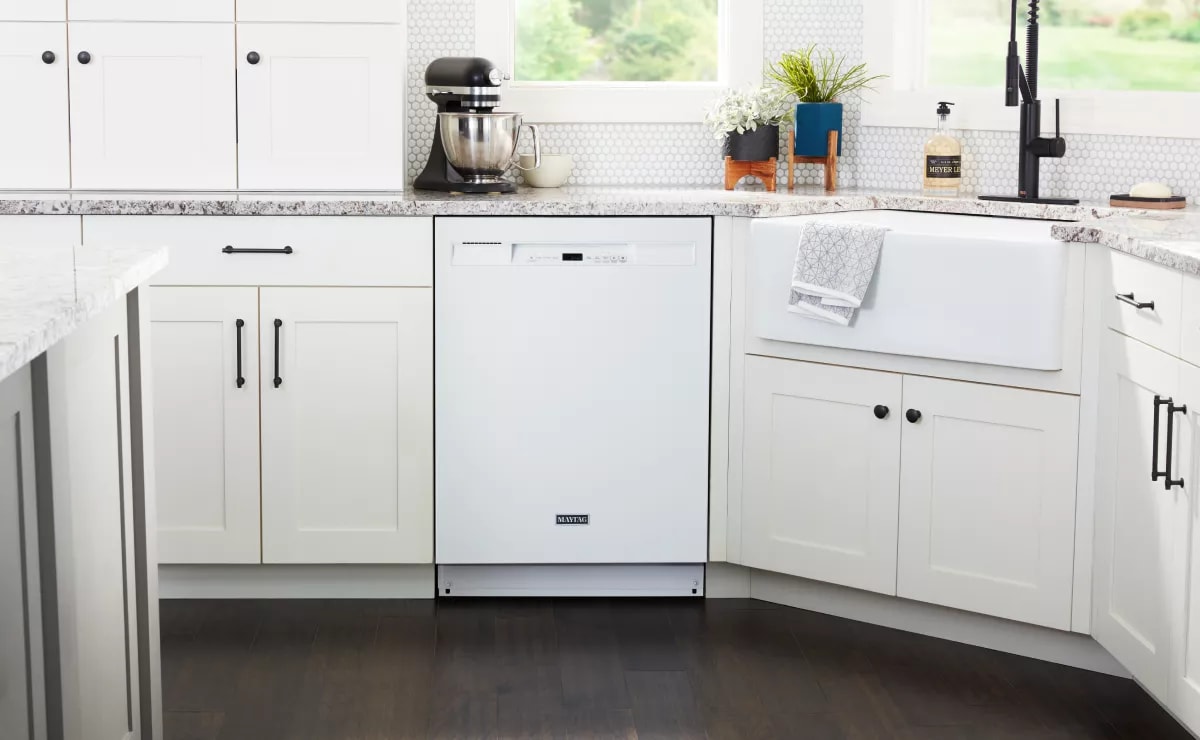
Align the dishwasher with the front of the cabinets. The front panel should be even with the cabinet doors. Use a level to ensure a straight alignment. This step ensures a neat, professional appearance.
Attaching Mounting Brackets
Mounting brackets hold the dishwasher in place. Locate the brackets on the top or sides of the appliance. Secure the brackets to the underside of the countertop or to the cabinet sides. Use screws to attach them firmly.
Checking Stability
Check the dishwasher’s stability after securing the brackets. Gently push and pull the appliance. It should remain steady without any rocking. Adjust the brackets if necessary for a secure fit. This step ensures the dishwasher stays in place during use.
Testing The Installation
Testing the dishwasher installation is essential before regular use. It confirms that the appliance works correctly and safely. This step helps spot leaks, electrical issues, and other problems early. Proper testing saves time and prevents damage to your kitchen cabinets and floor.
Running A Test Cycle
Start by running a short wash cycle without dishes. Choose a quick or rinse setting. This helps check if the dishwasher fills and drains water properly. Listen for unusual sounds during the cycle. The dishwasher should operate smoothly and quietly.
Checking For Leaks
Look under and around the dishwasher for any water leaks. Use a dry cloth to wipe the floor and cabinet base. Check the water supply hose and drain connections. Tighten any loose fittings. Even small leaks can cause cabinet damage over time.
Verifying Electrical Function
Ensure the dishwasher powers on and off as expected. Test all control buttons and display lights. The door latch must hold the door firmly during operation. Confirm the dishwasher stops immediately when you open the door. Proper electrical function is crucial for safety and performance.
Credit: www.maytag.com
Final Adjustments
Final adjustments are key to ensuring your dishwasher fits seamlessly with your kitchen cabinets. These small tweaks make a big difference in both appearance and functionality. Taking time here prevents issues down the road and helps your kitchen look professionally finished.
Adjusting Dishwasher Level
Use a spirit level to check if your dishwasher sits perfectly flat. Uneven placement can cause noise, poor drainage, or door alignment problems. Adjust the height by turning the dishwasher’s leveling feet until the bubble in the level centers exactly.
Don’t forget to double-check side-to-side tilt too. If your floor isn’t perfectly flat, small adjustments here can save you frustration later. Have you ever noticed your dishwasher door swinging open on its own? Leveling fixes that.
Replacing Cabinet Panels
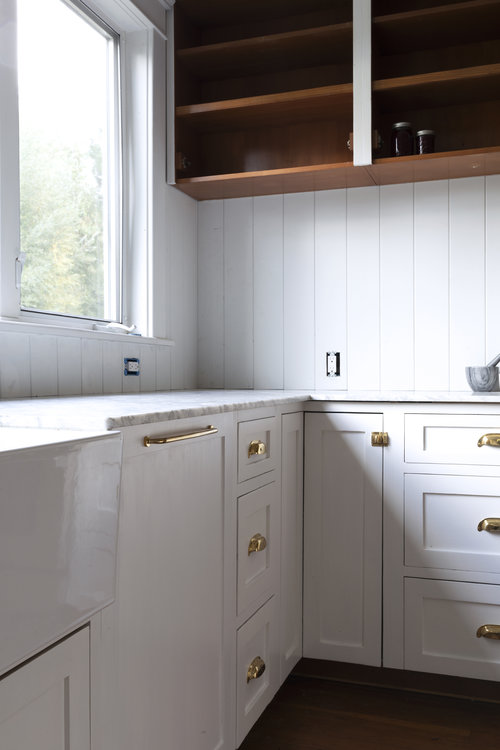
If you removed cabinet panels to install your dishwasher, now is the time to put them back. Make sure the panels align properly with the surrounding cabinetry for a consistent look. Use a drill or screwdriver to secure them tightly, so they don’t wobble or come loose.
Take care when handling the panels—scratches or dents can stand out against your beautiful kitchen. If your dishwasher is a built-in model with a custom panel, double-check that it fits flush and doesn’t interfere with the door’s movement. Does your panel match the cabinet finish perfectly? If not, consider a quick touch-up.
Cleaning Up Workspace
After everything is in place, clear out any leftover debris or packaging. Wipe down your dishwasher’s exterior and the surrounding cabinet areas to remove dust and fingerprints. A clean workspace helps you spot any missed adjustments or potential issues.
Also, check for tools or parts left behind that could cause damage or get lost. You’ll appreciate a tidy kitchen when your new dishwasher is humming quietly in the background. How often do you clean your workspace during home projects? Keeping it organized saves time and stress.
Credit: www.thegritandpolish.com
Frequently Asked Questions
How Do I Measure Space For Dishwasher Installation?
Measure the width, height, and depth of the cabinet space. Ensure at least 24 inches wide and proper clearance for plumbing and electrical connections.
What Tools Are Needed To Install A Dishwasher?
You need a drill, screwdriver, adjustable wrench, level, measuring tape, and pliers. These tools help secure the dishwasher and connect plumbing and electrical parts.
Can I Install A Dishwasher With Existing Kitchen Cabinets?
Yes, you can install a dishwasher by modifying the cabinet space. Remove the cabinet door or panel and ensure plumbing and electrical access for proper installation.
How Do I Connect Dishwasher To Water Supply?
Turn off the water supply first. Use a braided water line to connect the dishwasher’s inlet valve to the hot water supply under the sink.
Conclusion
Installing a dishwasher with kitchen cabinets is easier than you think. Follow each step carefully and take your time. Measure spaces well to ensure a perfect fit. Connect water and power safely for smooth operation. Double-check all connections before closing cabinets.
A well-installed dishwasher saves time and keeps your kitchen tidy. Enjoy clean dishes without hassle every day. Small efforts lead to big convenience in your kitchen. Ready to make your space more functional? Start your installation project today.


