


Are you tired of throwing away kitchen scraps that just end up in the trash? What if you could turn that waste into something valuable for your garden?
Making compost from your kitchen waste is easier than you think, and it can save you money while helping the environment. You’ll discover simple steps to transform your food scraps into rich, healthy compost. Keep reading, and you’ll learn how to reduce waste and boost your plants’ growth—all from your own kitchen.
Ready to get started? Let’s dive in!
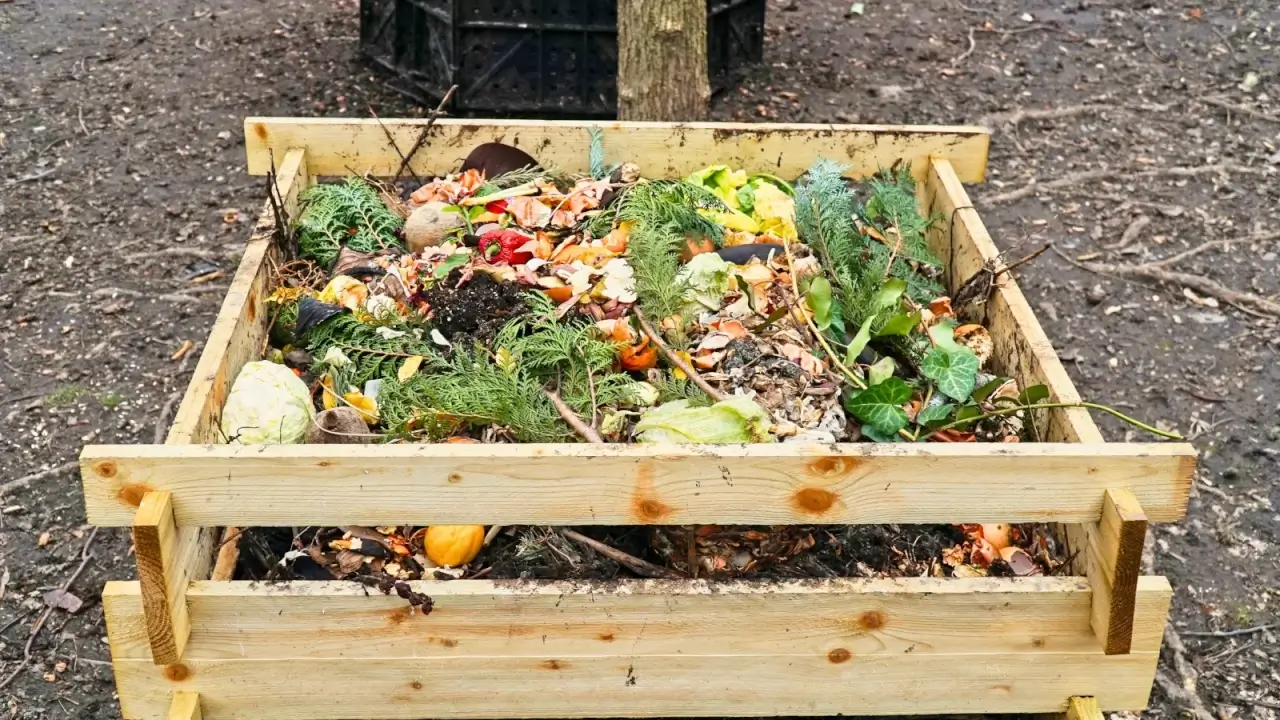
Credit: modernfarmer.com
Benefits Of Composting Kitchen Waste
Composting kitchen waste offers more than just a way to reduce trash. It transforms scraps into valuable resources that benefit your garden, wallet, and the environment. Understanding these benefits can motivate you to start composting and see the difference it makes in everyday life.
Improves Soil Health Naturally
Compost enriches your soil with essential nutrients like nitrogen, phosphorus, and potassium. This natural fertilizer helps plants grow stronger and healthier without relying on chemical fertilizers. Have you noticed how your plants thrive when fed with homemade compost?
Reduces Household Waste
Composting kitchen scraps cuts down the amount of garbage you send to landfills. This means less waste trucked away, fewer emissions, and a smaller carbon footprint. What could you do with the extra space in your trash bin?
Saves Money On Fertilizers And Waste Disposal
By turning food scraps into compost, you reduce the need to buy expensive fertilizers. You also save on garbage collection fees if your local service charges based on waste volume. How much could you save each month by composting?
Supports Environmental Sustainability
Composting helps reduce methane emissions, a potent greenhouse gas produced by decomposing waste in landfills. It promotes a circular system where waste becomes a resource, cutting pollution. How does your daily routine contribute to a healthier planet?
Encourages Mindful Consumption
When you compost, you become more aware of the food you buy and waste. This awareness can lead to better shopping habits and less food thrown away. Could composting help you rethink how you use your kitchen resources?

Credit: www.youtube.com
Choosing The Right Compost Bin
Choosing the right compost bin is crucial for successful kitchen waste composting. The correct bin helps control odor, speeds up decomposition, and keeps pests away. It also fits your space and composting needs. Understanding different types and features helps you pick the best bin for your home.
Types Of Compost Bins
- Plastic Bins:Lightweight and easy to clean. Often come with lids to keep pests out.
- Wire Bins:Allow good airflow but do not control odors well. Best for outdoor use.
- Tumbler Bins:Can be rotated to mix waste. Speeds up composting process.
- Wooden Bins:Natural look and good insulation. May require more space and maintenance.
Size And Capacity
Choose a bin size based on your kitchen waste amount. Small households can use bins around 20-30 gallons. Larger families may need 50 gallons or more. A bin too small fills quickly and may smell. Too large bins take longer to fill and compost.
Ventilation And Drainage
Good airflow speeds up decomposition. Look for bins with vents or holes. Drainage holes prevent water buildup. Excess moisture slows composting and causes bad smell. Some bins include trays to collect liquid compost, called “compost tea.”
Location And Space
Pick a bin that fits your available space. Bins for indoors should be compact and sealed. Outdoor bins can be larger and less sealed. Consider ease of access for adding kitchen scraps and turning compost.
Best Kitchen Waste For Composting
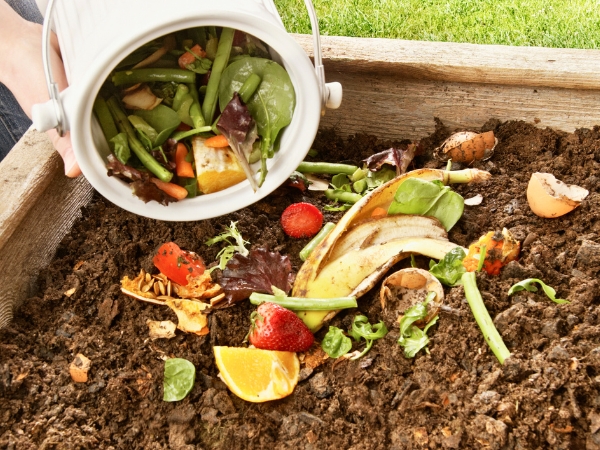
Kitchen scraps like fruit peels, vegetable bits, and coffee grounds make great compost material. Avoid meat, dairy, and oily foods to keep compost healthy. Chop waste into small pieces to speed up decomposition.
Composting kitchen waste is an eco-friendly way to enrich soil. It reduces waste and enhances garden productivity. Knowing the best kitchen scraps to compost can make the process efficient. Certain kitchen wastes break down faster and enrich compost better.
Vegetable Peels And Scraps
Vegetable peels are rich in nutrients. They decompose quickly and add essential minerals. Carrot tops, potato skins, and onion peels are excellent choices. Chop them into smaller pieces to speed up decomposition.
Fruit Wastes
Fruit wastes, like apple cores and banana peels, are composting champions. They are high in moisture and nutrients. Avoid citrus peels in large amounts as they can alter compost pH.
Coffee Grounds And Tea Bags
Coffee grounds add nitrogen to your compost. They also help improve soil structure. Tea bags, preferably those without synthetic materials, are also great. Ensure to remove any staples from tea bags.
Eggshells
Eggshells provide calcium to compost. Crush them before adding to speed up decomposition. They help in balancing the pH level of the compost.
Stale Bread
Stale bread is a good source of carbon. It breaks down quickly and adds bulk to compost. Ensure it doesn’t contain mold before adding.
Nut Shells
Nut shells, like peanut and almond shells, are carbon-rich. They decompose slower but add texture to compost. Crush them for faster decomposition.
Herb And Spice Stems
Stems from herbs and spices can be composted. They add aroma and nutrients to compost. Chop them to speed up the composting process.
- Vegetable Peels: Nutrient-rich and quick to decompose.
- Fruit Wastes: High in moisture and nutrients.
- Coffee Grounds: Add nitrogen and improve soil structure.
- Eggshells: Provide calcium and help balance pH.
- Stale Bread: Good carbon source, decomposes quickly.
- Nut Shells: Carbon-rich, add texture.
- Herb Stems: Add aroma and nutrients.
Credit: canadale.ca
Preparing Kitchen Waste For Compost
Getting your kitchen waste ready for composting is a crucial step that can make your compost pile break down faster and smell better. Proper preparation helps balance moisture and aeration, which keeps the process healthy and efficient. Let’s look at how you can prepare your scraps to feed your compost well.
Sort Your Kitchen Waste
Start by separating your compostable scraps from trash. Avoid putting meat, dairy, or oily foods into your compost—they attract pests and create odor. Stick to fruit and vegetable peels, coffee grounds, eggshells, and small amounts of bread.
Do you find it easy to remember what goes in and what stays out? Keeping a small bin near your sink helps you collect the right scraps without second-guessing.
Chop Or Shred Waste Into Smaller Pieces
Breaking down larger scraps speeds up decomposition. Cut vegetable peels, fruit cores, and eggshells into smaller chunks before adding them to your compost. This gives microbes more surface area to work on.
I used to throw whole banana peels in, but after chopping them up, my compost turned dark and crumbly much faster. Give it a try and notice the difference.
Maintain A Good Balance Of Greens And Browns
Your kitchen waste mostly counts as “greens” (rich in nitrogen). To keep the compost healthy, balance it with “browns” (materials high in carbon) like dry leaves, shredded paper, or cardboard. Too much green can make your pile smelly and soggy.
Try adding a handful of shredded paper or dry leaves each time you add kitchen scraps. This simple habit can save you from unpleasant odors and slow decomposition.
Keep The Waste Moist But Not Wet
Kitchen scraps contain a lot of water, so avoid adding extra water immediately after adding them. Compost should feel like a damp sponge—moist but not dripping. If your pile looks dry, sprinkle a little water; if it’s too wet, add more browns.
Have you noticed your compost pile getting slimy or smelly? That’s a sign it’s too wet, and you might need to add dry materials and turn it more often.
Layering And Mixing Compost Materials
Layering and mixing compost materials is key to making healthy compost from kitchen waste. It helps balance moisture, air, and nutrients. This balance speeds up decomposition and prevents bad smells.
Start by placing dry, brown materials like leaves or shredded paper. These provide carbon, which is essential for microbes. Then add green, wet materials such as fruit scraps or vegetable peels. These add nitrogen, which fuels the composting process.
Alternating layers of brown and green materials creates a good mix. This structure allows air to flow and moisture to spread evenly. Avoid putting too much of one type in a single layer.
Choosing The Right Materials
- Brown materials: dry leaves, cardboard, paper, straw
- Green materials: fruit scraps, vegetable peels, coffee grounds
- Avoid meat, dairy, and oily foods that attract pests
How To Layer Compost Properly
- Start with a 3-4 inch layer of brown materials
- Add a 2-3 inch layer of green materials on top
- Sprinkle water lightly to keep it moist but not wet
- Repeat layers until the bin is full
Mixing And Turning The Compost
- Turn the pile every 1-2 weeks with a garden fork
- Mix materials to add air and speed up breakdown
- Check moisture and add water if it feels dry
- Break up clumps to keep the pile loose
Maintaining Moisture And Aeration
Maintaining the right moisture and aeration is key to successful composting of kitchen waste. Moisture helps microbes break down organic matter, while air provides oxygen for them to survive. Without proper balance, composting slows down or smells bad.
Keep the compost damp like a wrung-out sponge. Too dry, and microbes stop working. Too wet, and the pile becomes smelly and soggy.
Checking Moisture Levels Regularly
Touch the compost to feel its moisture. It should be moist but not dripping. Add water if it feels dry. Add dry materials like shredded paper if too wet. Repeat this check every few days for best results.
Turning The Compost For Aeration
Turn the compost pile often to add air. Use a garden fork or shovel to mix materials. This stops the compost from becoming compacted and smelly. Aeration helps microbes breathe and speeds up decomposition.
Using Materials That Help Airflow
Add bulky items like small twigs or dry leaves. These create air pockets inside the pile. Avoid packing the compost tightly. Good airflow keeps the pile healthy and odor-free.
Troubleshooting Common Compost Issues
Composting kitchen waste can be incredibly rewarding, but sometimes your compost pile might not behave as expected. Troubleshooting common compost issues helps you keep your pile healthy and productive. Understanding these problems early means you can fix them quickly and keep your composting journey smooth.
Dealing with Foul Odors in Your Compost
Foul smells usually mean your compost is too wet or lacks enough air. When I first started composting, my pile smelled like rotten eggs because I added too many food scraps without enough dry leaves. To fix this, add dry materials like shredded paper or dry leaves and turn your pile regularly to introduce oxygen.
Are you adding too many kitchen scraps at once? Spread out your additions and mix in brown materials to balance moisture and airflow. Remember, a healthy compost should smell earthy, not sour or rotten.
Why Is My Compost Not Heating Up?
If your compost pile stays cold, it might be missing the right mix of ingredients or enough moisture. I found that adding both green (nitrogen-rich) and brown (carbon-rich) materials in roughly equal parts helped jumpstart the heat.
Check if your pile is too dry; a dry pile can’t support the microbes that generate heat. Water it lightly and turn it to redistribute moisture. Do you know your compost balance? Try layering kitchen scraps with dry leaves and see if the temperature rises.
How To Fix A Compost That’s Too Wet Or Soggy
A soggy compost pile can slow down decomposition and cause bad smells. This happened to me after a rainy week—I simply added more dry materials like shredded cardboard and stirred the pile to improve drainage.
Make sure your compost isn’t sitting in a waterlogged spot. Elevate your bin or add coarse materials like small twigs to help water drain. Are you covering your compost? A simple tarp can prevent excess rain from soaking your pile.
Solving The Problem Of Pests In Your Compost
Pests like fruit flies or rodents can be a nuisance if your compost isn’t managed well. I learned to avoid this by burying food scraps deeper in the pile and never adding meat or dairy.
Secure your compost bin with a lid and avoid adding foods that attract pests. If you spot pests, turning the pile more often can help. How often do you check your compost? Frequent monitoring keeps pests at bay.
Using Finished Compost In Your Garden
Finished compost is rich, dark, and crumbly. It looks like soil and smells earthy. Using it in your garden improves soil health and plant growth. It adds nutrients and helps soil hold water better. Plants grow stronger and resist diseases more easily.
Applying finished compost is simple and effective. It works for flower beds, vegetable gardens, and lawns. You can mix it into the soil or use it as a top layer. This small step makes a big difference in your garden’s health.
How To Apply Finished Compost
- Spread a 1-2 inch layer over garden beds.
- Mix compost into the top 6-8 inches of soil.
- Use compost as mulch around plants to retain moisture.
- Work compost into potting soil for container plants.
Benefits Of Using Finished Compost
- Improves soil structure and aeration.
- Increases nutrient availability for plants.
- Boosts soil moisture retention during dry periods.
- Supports beneficial soil organisms like earthworms.
- Reduces the need for chemical fertilizers.
When To Use Finished Compost
- Before planting new flowers or vegetables.
- During spring and fall garden preparation.
- As a top dressing in the growing season.
- When refreshing potting soil in containers.
Frequently Asked Questions
What Kitchen Waste Can Be Composted Effectively?
Most vegetable scraps, fruit peels, coffee grounds, eggshells, and bread can be composted. Avoid meat, dairy, and oily foods to prevent odor and pests.
How Long Does Kitchen Waste Take To Compost?
Kitchen waste typically takes 2 to 6 months to compost fully. Proper aeration, moisture, and chopping speed up the process.
Can I Compost Cooked Food Leftovers?
It’s best to avoid composting cooked food as it attracts pests and slows decomposition. Stick to raw, plant-based scraps for healthy compost.
How To Maintain Moisture In Kitchen Compost?
Keep compost moist like a wrung-out sponge. Add water if dry, or dry materials if too wet to balance moisture.
Conclusion
Composting kitchen waste helps reduce trash and feed plants. It saves money and cuts pollution. Anyone can start with simple steps and common items. Watch your scraps turn into rich soil in weeks. Small efforts add up to big environmental benefits.
Try composting today for a cleaner, greener home. It’s easy, useful, and good for the earth. Keep your kitchen waste out of landfills. Nature will thank you with healthy gardens. Composting brings life back to soil and plants.


