

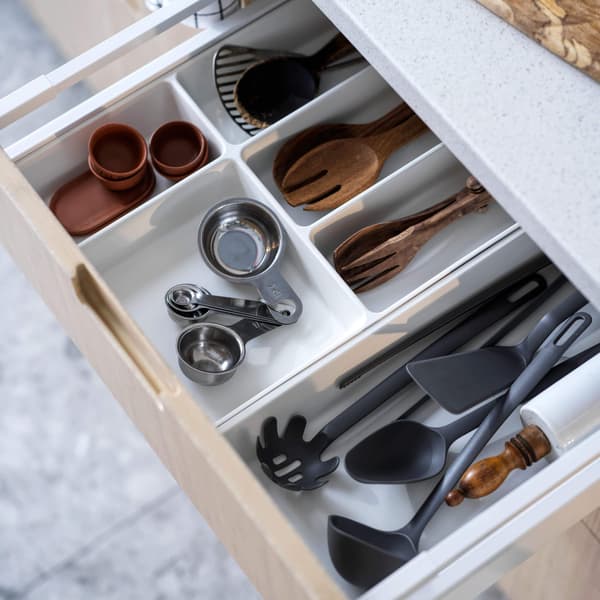
Are you tired of digging through a messy deep drawer every time you need a spatula or a whisk? Organizing kitchen utensils in a deep drawer can feel like a puzzle, but it doesn’t have to be that way.
Imagine opening your drawer and instantly finding exactly what you need—no frustration, no wasted time. You’ll discover simple, smart ways to arrange your utensils so your kitchen runs smoother and your cooking becomes more enjoyable. Keep reading, and you’ll transform your cluttered drawer into a neat, easy-to-navigate space.
Assessing Your Drawer Space
Organizing kitchen utensils in a deep drawer starts with understanding the drawer itself. Assessing the available space helps plan a layout that fits your needs. It avoids clutter and wasted room. Taking a clear look at the drawer’s size and any limits ensures the best use of space.
Measuring Depth And Width
Measure the drawer’s depth from front to back. Then, check the width across the opening. Use a tape measure for accuracy. Write down the numbers to guide your organization choices. Knowing these dimensions helps select suitable trays or dividers. It also prevents buying items that do not fit.
Identifying Drawer Limitations
Look for any built-in features that reduce space. Some drawers have fixed separators or rails inside. Check for soft-close mechanisms that might limit height. Notice how the drawer opens and closes. Think about how these factors affect utensil placement. Planning around these limits keeps the drawer functional and neat.

Credit: www.amazon.com
Categorizing Utensils
Categorizing utensils helps create a neat and efficient kitchen drawer. It saves time and reduces clutter. Organizing by categories makes finding tools easier. It also helps keep the drawer tidy over time.
Grouping By Function
Group utensils by their purpose for quick access. Put cooking tools like spatulas and ladles together. Keep eating utensils such as forks, knives, and spoons in another section. Baking tools like whisks and measuring cups belong in a separate group. This way, you can grab what you need instantly without searching.
Sorting By Size And Frequency
Sort utensils by size to maximize drawer space. Place larger items at the back or sides. Smaller utensils go in front for easy reach. Also, separate frequently used tools from those used rarely. Keep daily utensils near the front to save time. Store occasional-use items in less accessible spots.
Choosing Storage Solutions
Deep drawers offer great space for kitchen utensils but need smart organizing tools. Use dividers and trays to keep items separated and easy to find. Stacking smaller containers inside helps maximize space and maintain order.
Organizing kitchen utensils in a deep drawer can feel like solving a puzzle. The key is choosing the right storage solutions. With a little creativity and some practical tools, you can transform your cluttered drawer into a functional space that makes cooking a breeze.
Using Dividers And Trays
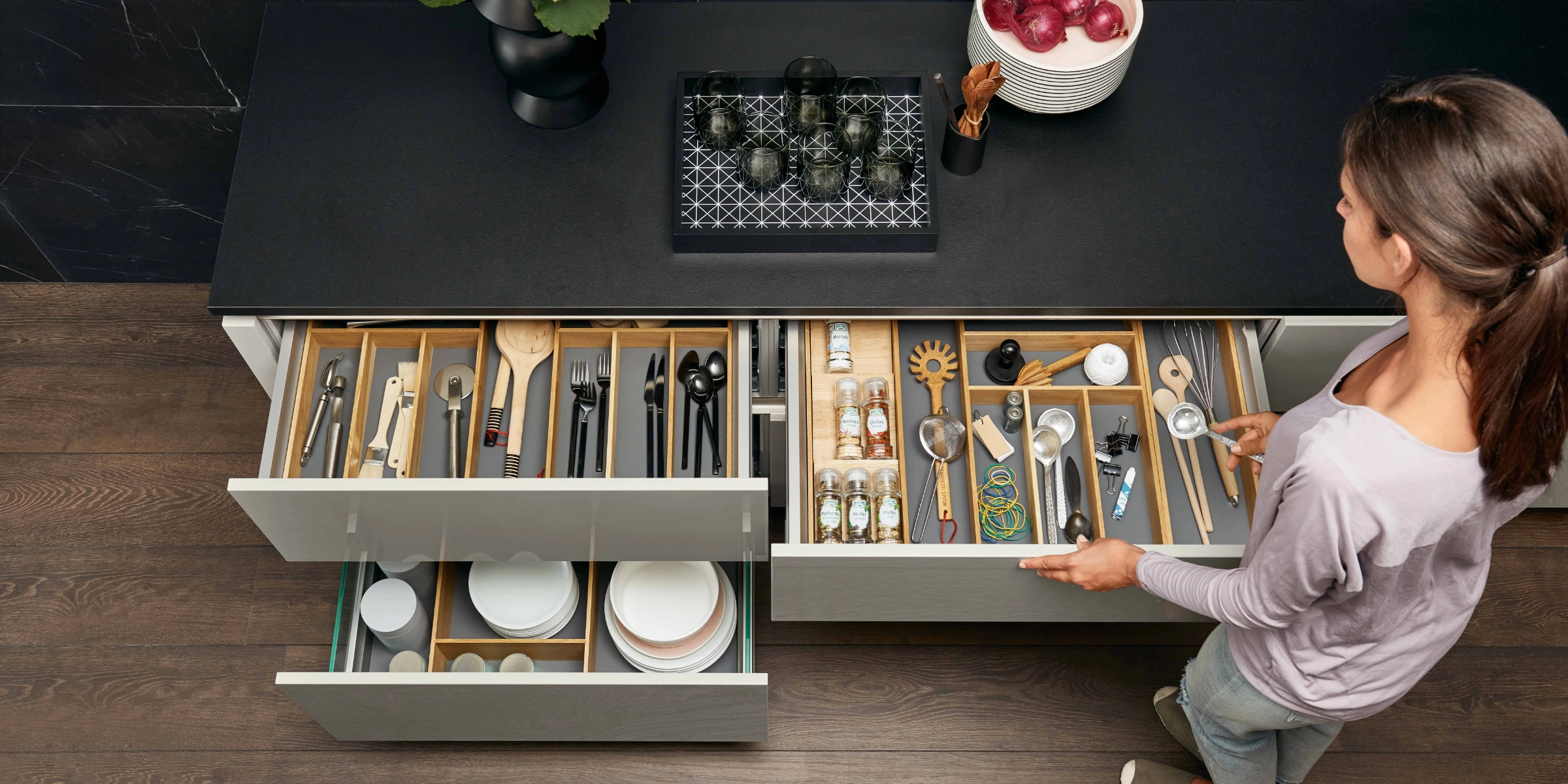
Dividers and trays are your best friends for organizing deep drawers. They help separate utensils into categories, making everything easy to find. Imagine opening your drawer and immediately spotting that elusive whisk or spatula without digging through a heap of tools. You can find adjustable dividers that fit the exact dimensions of your drawer. This customization ensures that every utensil has its own designated spot. Trays with compartments are perfect for grouping smaller items like measuring spoons and peelers.
Incorporating Adjustable Inserts
Adjustable inserts offer flexibility that static dividers may lack. They can be expanded or contracted to fit different sized utensils. This adaptability is especially useful if your collection includes a variety of tools, from tiny corn holders to large ladles. Think about the last time you bought a new kitchen gadget. Adjustable inserts allow you to quickly rearrange your drawer to accommodate your latest addition. It’s like having a kitchen storage system that grows with you.
Repurposing Containers
Repurposing containers you already own can save money and reduce waste. Small boxes, baskets, or even unused Tupperware can be excellent for organizing utensils. Consider using a shallow container for knives to keep them safely in place. Or use a small basket to hold your collection of tea strainers. You’ll find that repurposing not only declutters but also adds a personal touch to your kitchen organization. Have you ever thought about how repurposing aligns with sustainability goals? It’s a creative way to reduce, reuse, and organize all at once.
Credit: www.nolte-kuechen.com
Maximizing Vertical Space
Deep drawers offer a lot of room, but without smart use of vertical space, utensils can get lost in the clutter. Maximizing vertical space means using the height of the drawer efficiently, not just the base area. This approach keeps your utensils visible and easy to reach, saving you time and frustration during busy cooking sessions.
Stacking Techniques
Stacking utensils is more than just piling them up. Use shallow trays or flat containers to create layers within the drawer. This way, you can separate different types of utensils—like spoons, forks, and knives—without mixing them all together.
Try placing heavier items at the bottom to keep stacks stable. Smaller items can go on top, making everything accessible without digging through piles. Have you noticed how a well-stacked drawer feels less chaotic and more inviting to use?
Using Tiered Organizers
Tiered organizers take vertical space to the next level by adding multiple levels inside the drawer. These organizers let you see each utensil category at a glance, which speeds up your kitchen prep.
Look for adjustable tiers so you can customize the height for different utensils. For example, shorter tiers work great for teaspoons, while taller tiers fit spatulas or ladles. This flexibility helps you avoid wasted space and keeps everything neat.
Arranging For Easy Access
Arranging kitchen utensils in a deep drawer for easy access saves time and reduces clutter. Organizing items by how often you use them helps keep the drawer neat. This way, the most needed tools are within reach. The less used ones stay out of the way but remain accessible.
Placing Daily Use Items Upfront
Keep utensils you use every day close to the front of the drawer. This includes spoons, forks, knives, and cooking tools like spatulas and ladles. Use small containers or dividers to group similar items together. This prevents them from mixing and makes grabbing them quicker. Arrange items horizontally so they are easy to see and reach. Avoid stacking too many tools on top of each other.
Organizing Rarely Used Tools
Store items you use less often toward the back or sides of the drawer. These might include specialty gadgets, measuring cups, or holiday-specific tools. Use larger containers or bins to keep these organized. Label the containers for quick identification. This keeps the drawer tidy and ensures rarely used items do not block daily essentials.

Credit: www.amazon.com
Maintaining Organization
Keeping kitchen utensils organized in a deep drawer requires regular care. Without this, clutter can build up fast. Maintaining order helps save time and keeps your kitchen neat. Small, consistent efforts make a big difference over time.
Regular Decluttering
Set a schedule to check your drawer often. Remove utensils that are broken or rarely used. This frees up space and keeps the drawer manageable. Sort items into groups: keep, toss, or donate. Doing this prevents overcrowding and keeps only essentials in reach.
Cleaning And Reorganizing Tips
Take everything out before cleaning the drawer. Wipe the inside with a damp cloth and mild cleaner. Dry it well to avoid moisture damage. Use drawer dividers or small containers to separate utensils by type. Place frequently used items at the front for easy access. Reorganize items based on your cooking habits to improve efficiency.
Frequently Asked Questions
How Can I Maximize Space In A Deep Kitchen Drawer?
Use adjustable dividers and stackable trays to organize utensils efficiently. Group items by type and size to keep everything accessible and neat.
What Are The Best Organizers For Deep Kitchen Drawers?
Wooden or plastic utensil trays and adjustable drawer dividers work best. They help separate and arrange utensils, preventing clutter and making items easy to find.
How Do I Keep Kitchen Utensils From Sliding In Deep Drawers?
Use non-slip drawer liners or silicone mats at the drawer base. These materials prevent utensils from moving around when opening or closing the drawer.
Can I Store Large Kitchen Tools In Deep Drawers?
Yes, deep drawers are perfect for bulky items like ladles and spatulas. Use custom-sized organizers to keep large tools separated and easy to grab.
Conclusion
Organizing kitchen utensils in a deep drawer saves time and space. Use trays or dividers to keep items neat and easy to find. Group similar tools together for quick access. Keep frequently used utensils near the front. Clean and declutter the drawer regularly.
A well-organized drawer makes cooking more enjoyable and less stressful. Try these simple steps to improve your kitchen today. Small changes bring big results.


