


Are you wondering if your KitchenAid food processor is dishwasher safe? You’re not alone.
Cleaning kitchen gadgets can be a hassle, and knowing exactly how to care for your food processor saves you time and keeps it working like new. You’ll get clear answers and simple tips to make cleanup easy and safe. Keep reading to find out how to protect your KitchenAid and enjoy hassle-free cooking every time.
Credit: www.kitchenaid.com
Kitchenaid Food Processor Parts
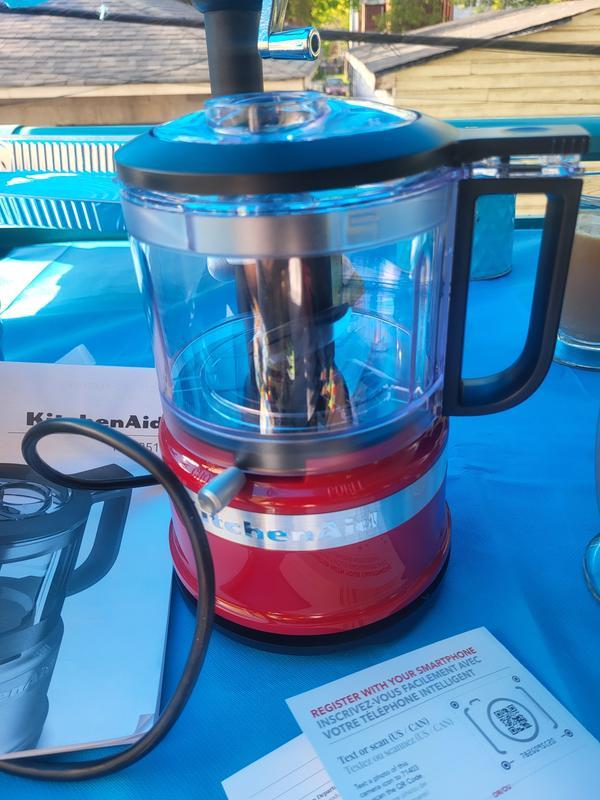
The Kitchenaid Food Processor has several parts that work together to make food prep easier. Knowing these parts helps in cleaning and maintaining the appliance. Each component has a role in its performance and care.
Main Components
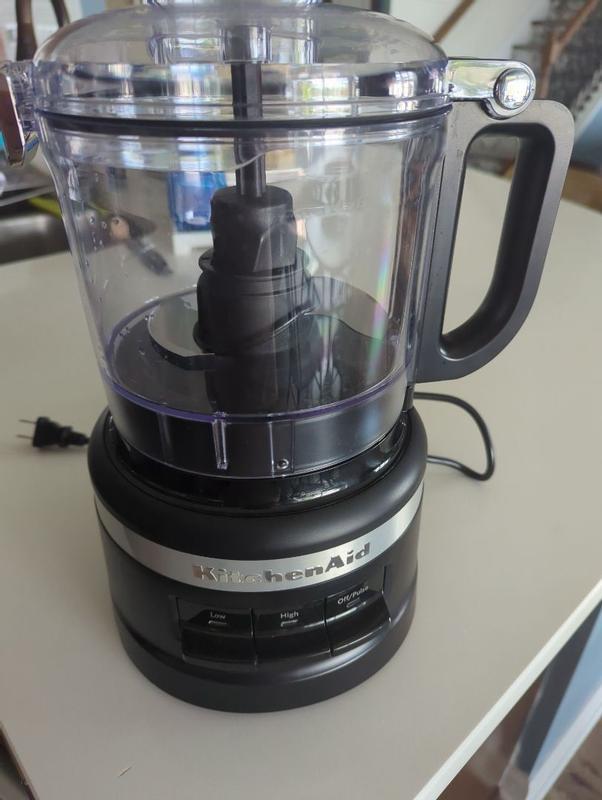
The main components include the motor base, work bowl, and lid. The motor base powers the processor. The work bowl holds the food during chopping or slicing. The lid secures the bowl and has a feed tube for adding ingredients.
These parts are sturdy and built to last. They also need regular cleaning to keep the processor working well. Some parts are dishwasher safe, but it depends on the model.
Removable Attachments
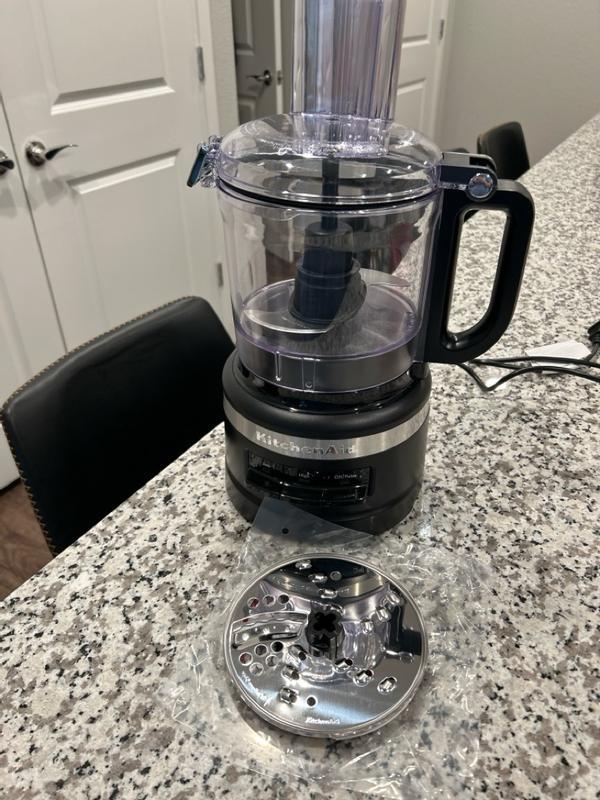
Removable attachments include blades, discs, and shredders. Blades chop, mince, and puree food. Discs slice or shred ingredients in different thicknesses. Attachments can be swapped to suit different tasks.
Cleaning removable attachments is easy. Most of them fit in the dishwasher’s top rack. This saves time and keeps them sharp and clean. Always check the user manual for dishwasher safety details.
Credit: www.kitchenaid.com
Dishwasher Safety For Kitchenaid
Knowing which parts of your Kitchenaid food processor are dishwasher safe can save you time and protect your appliance. Not all components handle the dishwasher’s heat and water pressure well, so it’s important to clean wisely. Let’s break down what you can safely toss in the dishwasher and what needs a gentle hand wash.
Which Parts Are Dishwasher Safe
Typically, the removable bowl, lid, and some of the attachments like the shredding and slicing discs are dishwasher safe. These parts are usually made of durable plastic or metal that withstands dishwasher cycles well.
- Place the bowl and lid on the top rack to avoid intense heat exposure.
- Metal discs can go in the dishwasher but avoid placing them near heavy utensils to prevent damage.
- Check your specific model’s manual as dishwasher safety may vary slightly.
Have you ever noticed a dull blade after a few dishwasher cycles? That’s a sign to be cautious about which parts you clean in the dishwasher.
Parts To Hand Wash Only
The motor base and any electrical parts must never go in the dishwasher. Water can damage the motor and electronics, leading to costly repairs or replacements.
Also, some plastic components may warp or lose their finish if exposed to dishwasher heat repeatedly.
- Always hand wash the motor base with a damp cloth—never submerge it in water.
- Use mild soap and a soft sponge for plastic parts prone to warping.
- Be extra gentle with sharp blades; hand washing preserves their edge and prevents rust.
Have you experienced warping or discoloration on your processor parts? That often happens when parts designed for hand washing end up in the dishwasher.
Cleaning Tips For Dishwasher Safe Parts
Cleaning your KitchenAid food processor parts properly keeps them fresh and working well. Some parts are dishwasher safe, which saves time and effort. Follow these tips to clean those parts safely in your dishwasher.
Loading The Dishwasher Correctly
Place food processor parts on the top rack only. Avoid overloading the dishwasher to allow water to reach all surfaces. Large pieces should not block the spray arms. Position blades carefully to prevent damage and injury. Secure lids and smaller pieces so they don’t move during the wash cycle.
Choosing The Right Detergent
Use a mild dishwasher detergent to protect your food processor parts. Avoid harsh chemicals or bleach that can cause damage. Choose detergents labeled safe for plastics and kitchen tools. Powder, gel, or pods all work well as long as they are gentle. Rinse aid helps prevent spots and improves drying.
Hand Washing Techniques
Proper hand washing removes germs and food particles from kitchen tools. The Kitchenaid food processor parts are mostly dishwasher safe, but hand washing is best for blades. Using warm water and soap helps keep the processor clean and safe for food preparation.
Hand washing your KitchenAid food processor can ensure its longevity and maintain its performance. While dishwashers are convenient, they aren’t always the best option for delicate kitchen tools. By using the right techniques, you can keep your food processor in top condition without the worry of damage.
Tools And Soaps To Use
Invest in a soft-bristled brush or a sponge with a gentle scrub side. These tools are perfect for removing stubborn food residues without scratching the surface. Choose a mild dish soap, one that effectively cleans but is gentle on the materials. Avoid using harsh chemicals or abrasive cleaners as they can deteriorate the plastic and dull the blades.
Avoiding Damage During Cleaning
Handle each part with care to prevent accidental drops or knocks. Disassemble the processor completely, ensuring each piece is washed separately. Avoid soaking the blades for extended periods, as this can lead to rusting. Instead, wash them promptly and dry thoroughly with a soft cloth. By focusing on these simple hand washing techniques, you can keep your KitchenAid food processor in pristine condition. Do you have any tried-and-true tips for hand washing your kitchen gadgets? Share your thoughts in the comments below!
Maintaining Your Food Processor
Keeping your KitchenAid food processor in top shape ensures it works smoothly every time you need it. Regular care not only extends its life but also keeps your food preparation safe and efficient. Let’s look at simple ways to maintain your food processor so it stays as reliable as the day you bought it.
Regular Inspection
Check your food processor for any signs of wear or damage before and after each use. Look closely at the blades—are they dull or chipped? Damaged blades can affect performance and even pose a safety risk.
Also, inspect the motor base for any unusual sounds or overheating during operation. If something feels off, it’s better to address it early rather than letting a small issue turn into a costly repair.
Have you ever noticed a strange smell or smoke? That’s a clear sign to stop using the appliance immediately and get it checked. Regular inspection helps you catch problems early and keeps your food processor working smoothly.
Proper Storage
Where you keep your food processor matters. Store it in a dry, cool place away from direct sunlight to prevent damage to plastic parts.
Keep all removable parts together to avoid losing pieces like the lid or blades. Using a dedicated container or drawer can save you frustration when you need to assemble it quickly.
Consider wrapping the power cord loosely to avoid kinks or frays. Have you ever struggled with a tangled cord? Proper storage prevents that hassle and protects your appliance.
Credit: www.kitchenaid.com
Common Mistakes To Avoid
Knowing the common mistakes to avoid helps keep your KitchenAid food processor safe and working well. Many users damage parts by not handling dishwasher cleaning correctly. Avoiding these errors extends the life of your appliance and keeps it clean without risk.
Overloading The Dishwasher
Stuffing too many items in the dishwasher stops water from reaching all surfaces. This leaves food bits on the food processor parts. Overcrowding also increases the chance of parts banging and breaking. Space out items for better cleaning and less damage.
Ignoring Manufacturer Instructions
KitchenAid includes clear cleaning guidelines in the manual. Ignoring these can cause warping or fading of plastic parts. Some pieces may need hand washing only. Always check which parts are dishwasher safe before loading them in.
Frequently Asked Questions
Is The Kitchenaid Food Processor Dishwasher Safe?
Yes, most KitchenAid food processor parts are dishwasher safe. Always check the user manual for specific parts and dishwasher settings.
Which Kitchenaid Parts Can Go In The Dishwasher?
Typically, the bowl, lid, and blades are dishwasher safe. The motor base should never be submerged or placed in the dishwasher.
Can Dishwasher Damage Kitchenaid Food Processor Parts?
Using the top rack and avoiding high heat prevents damage. Harsh detergents and high temperatures can warp or dull parts.
How To Clean Kitchenaid Food Processor Safely?
Hand wash the motor base with a damp cloth. Clean removable parts in the dishwasher’s top rack or by hand.
Conclusion
Kitchenaid food processor parts usually clean well in the dishwasher. Most bowls, lids, and blades are dishwasher safe on the top rack. Always check your model’s manual to be sure. Avoid putting the motor base in the dishwasher. Hand washing some parts can help them last longer.
Taking care of your food processor keeps it working great. Cleaning it right saves you time and effort. Enjoy cooking with a clean, ready-to-use kitchen tool every day. Simple steps make cleanup easy and safe.


