


When you step into your kitchen, the right knife can make all the difference. But do you really know what each kitchen knife is used for?
Using the wrong knife can slow you down and even make cooking frustrating. Imagine slicing through a tough steak with a delicate paring knife—it just won’t work well. You’ll discover exactly which knife to reach for every time. Knowing this will save you time, effort, and help you create meals with confidence.
Ready to sharpen your knowledge? Let’s dive in.

Credit: www.wired.com
Knife Types
Knowing the different knife types in your kitchen can change how you cook and prepare food. Each knife has a unique shape and purpose, designed to make specific tasks easier and safer. Understanding what each knife is for helps you choose the right tool and improve your cooking experience.
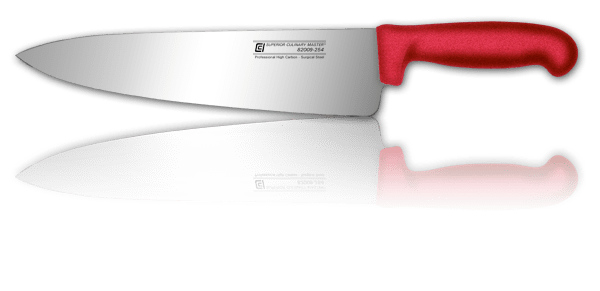
Chef’s Knife
This is the all-rounder in your kitchen. It usually has an 8 to 10-inch blade and handles most tasks like chopping, slicing, and dicing. If you had to pick just one knife, this would be it.
Paring Knife
Small but mighty, this knife is perfect for peeling, trimming, and detailed work. Its sharp tip gives you control for tasks like deveining shrimp or cutting small fruits. Do you struggle with peeling? This knife can be a game changer.
Bread Knife
With a long, serrated blade, this knife slices through bread without crushing it. It’s also great for cutting cakes and tomatoes. Have you noticed how a regular knife squashes soft bread? This one prevents that.
Utility Knife
This knife sits between a chef’s knife and a paring knife in size. It’s great for slicing sandwiches, cutting fruits, and small meats. It’s a handy tool when you need more precision than a chef’s knife but more length than a paring knife.
Boning Knife
Designed with a thin, flexible blade, this knife helps you remove bones from meat and fish. It lets you get close to the bone without wasting meat. Ever tried to fillet a fish with a chef’s knife? This makes the job much cleaner.
Santoku Knife
A Japanese favorite, the Santoku has a shorter, wider blade than a chef’s knife. It excels at slicing, dicing, and mincing vegetables and meats. If you prefer lighter knives, this one offers great control and speed.
Cleaver
This heavy, broad knife is built to cut through bones and tough meat. It also works well for crushing garlic or ginger. Have you ever needed to chop through a bone? The cleaver handles that with ease.
Carving Knife
With a long, thin blade, the carving knife is perfect for slicing cooked meats like turkey or roast. It helps you make thin, even slices without tearing the meat. Planning a holiday meal? This knife makes serving easier.
Fillet Knife
Similar to a boning knife but even more flexible, the fillet knife is ideal for delicate fish fillets. It allows you to separate skin and bones smoothly. If you love fresh fish, this knife will become your best friend.
Cutting Techniques
Mastering cutting techniques in the kitchen can elevate your cooking game and save you time. Each knife has a specific role, and knowing how to use them efficiently can make a huge difference. Let’s dive into the different cutting techniques and discover how each knife can best serve its purpose in your kitchen.
Chopping
Chopping is an essential technique for creating uniform pieces, especially when preparing vegetables. A chef’s knife is your go-to tool here. Its broad blade allows you to rock back and forth, creating even cuts with ease.
Slicing
Slicing requires precision and a steady hand. A slicing knife, with its long and narrow blade, is perfect for this task. Whether you’re cutting through a juicy tomato or a loaf of bread, the right slicing technique ensures every piece is perfect.
Dicing
Dicing is all about consistency. A paring knife is ideal for dicing smaller items like garlic and shallots. The key is to cut items into uniform cubes, ensuring they cook evenly.
Mincing
Mincing involves cutting ingredients into very fine pieces. This technique is commonly used for herbs and garlic. A chef’s knife works well for this, allowing you to create a fine mince that blends seamlessly into your dishes.
Julienne
The julienne technique transforms vegetables into matchstick-like strips. A utility knife can help you achieve this elegant cut. It’s perfect for salads and garnishes, adding a professional touch to your meals.
Butterflying
Butterflying is ideal for preparing meats like chicken breasts for even cooking. A boning knife helps you slice through the meat with precision, creating an even thickness. This technique ensures your meat cooks uniformly, enhancing flavor and texture.
These cutting techniques are not just about following a recipe; they’re about enhancing your cooking skills. Which technique will you master first?
Choosing The Right Knife
Choosing the right knife can transform your cooking experience. It’s not just about owning a sharp blade; it’s about matching the knife to your task. Picking the perfect knife saves time, improves safety, and enhances the quality of your dishes.
Based On Ingredient
Different ingredients demand different knives. A chef’s knife handles vegetables and meats well, but a serrated knife is better for bread or tomatoes. Using a paring knife for peeling fruits gives you more control and precision.
Think about the texture and toughness of what you’re cutting. Soft ingredients like herbs need a small, nimble knife, while tougher items like butternut squash require a heavy-duty cleaver. Choosing the right blade makes your prep smoother and less frustrating.
Based On Recipe
Your recipe influences the knife you should pick. If you’re dicing onions finely, a sharp chef’s knife or santoku blade is ideal. For slicing thin, even cuts of fish for sushi, a flexible fillet knife works best.
Recipes that involve intricate garnishing or decorative cuts benefit from smaller knives with pointed tips. Meanwhile, large roasts or whole poultry call for a carving knife to make clean, even slices. Ask yourself: what cuts will your recipe demand most?
Based On Skill Level
Your comfort and skill with knives matter. Beginners often do well with an all-purpose chef’s knife that’s balanced and easy to handle. It minimizes mistakes and builds confidence during prep.
As you gain experience, you might explore specialized knives like a boning knife or a cleaver to tackle specific tasks. Using the right knife for your skill level prevents accidents and helps you improve faster. What knife feels natural in your hand?
Credit: thediscriminatingchef.com
Knife Maintenance
Keeping your kitchen knives in top shape is essential for both safety and efficiency. Proper knife maintenance not only extends the life of your blades but also ensures every cut is smooth and precise. Let’s break down the key steps to maintain your knives effectively.
Sharpening
Sharpening restores the blade’s edge by removing metal to create a new, sharp surface. Using a whetstone or a professional sharpener can bring your dull knives back to life quickly. Think about how a dull knife makes simple tasks frustrating — sharpening solves this instantly and improves your cooking experience.
Try to sharpen your knives when you notice they struggle to cut through foods cleanly. Over-sharpening can wear down the blade, so aim for a balance. If you’re unsure, a quick test is to see if the knife slices paper or tomato skin smoothly without much pressure.
Honing
Honing is different from sharpening; it doesn’t remove metal but realigns the blade’s edge. Use a honing steel regularly to keep your knife’s edge straight and effective between sharpening sessions. I often hone my knives before every cooking session—it only takes a minute and keeps the blade performing well.
Honing helps maintain sharpness longer and reduces the frequency of sharpening. Think of it as a tune-up for your knife’s edge. If your knife feels dull despite honing, it’s time for a proper sharpening.
Cleaning And Storage
Cleaning your knives correctly prevents rust and corrosion. Always hand wash with mild soap and warm water, then dry immediately with a soft cloth. Avoid the dishwasher — harsh detergents and high heat can damage the blade and handle.
Storage matters just as much as cleaning. Use a knife block, magnetic strip, or protective sheath to prevent the blades from knocking against other utensils. How you store your knives can affect their edge retention and safety in your kitchen.
Safety Tips
Using kitchen knives safely reduces the risk of injury. Each knife requires careful handling. Follow these simple tips to keep your cooking safe and efficient.
Proper Grip
Hold the knife firmly with your dominant hand. Wrap your fingers around the handle. Place your thumb on the side of the blade for control. Avoid gripping the blade itself. A steady grip helps prevent slips and accidents.
Cutting Surface
Use a stable cutting board made of wood or plastic. Avoid cutting on glass, metal, or stone surfaces. These can dull the blade quickly and cause slipping. Keep the board clean and dry. Secure the board by placing a damp towel underneath it.
Knife Handling
Always cut away from your body and fingers. Keep the blade sharp to reduce force needed. Never try to catch a falling knife. Pass knives handle-first to others. Store knives safely in a block or magnetic strip. Clean knives carefully and dry immediately after washing.

Credit: www.wired.com
Frequently Asked Questions
What Is The Purpose Of A Chef’s Knife?
A chef’s knife is versatile for chopping, slicing, and dicing various foods. It handles vegetables, meat, and herbs efficiently.
How Is A Paring Knife Used In The Kitchen?
A paring knife is ideal for peeling, trimming, and detailed cutting tasks. Its small size offers precision and control.
Why Choose A Serrated Knife For Bread?
Serrated knives cut through crusty bread without crushing it. Their saw-like edges grip and slice cleanly through tough surfaces.
When Should You Use A Boning Knife?
Boning knives help remove bones from meat, fish, and poultry. Their thin, flexible blades allow precise cuts around joints.
Conclusion
Choosing the right knife makes cooking easier and safer. Each knife has a special job in the kitchen. Using the correct knife saves time and effort. It also helps you cut food cleanly and neatly. Keep your knives sharp for the best results.
Practice with different knives to learn their uses well. Soon, you will feel confident handling any kitchen task. A well-chosen knife set makes cooking more fun and efficient. Remember, simple tools can lead to great meals.


