


Are you curious about who took the crown in Season 1 of Hell’s Kitchen? If you’ve ever wondered which chef rose above the rest and claimed victory in this intense cooking competition, you’re in the right place.
This article will reveal the winner and share the story behind their success. Keep reading to find out how they impressed Gordon Ramsay and what made them stand out from the very start. Your craving for the truth about Hell’s Kitchen Season 1 ends here!

Credit: hellskitchen.fandom.com
Season 1 Recap
Season 1 of Hell’s Kitchen set the stage for what would become a gripping culinary competition. The intensity, drama, and skill displayed by the contestants made it a must-watch. Let’s take a closer look at how the season unfolded and what made it unforgettable.
Contestant Lineup
The first season featured a diverse group of chefs, each bringing unique strengths and backgrounds. From seasoned cooks to ambitious newcomers, the competition was fierce right from the start.
- Michael Wray, the eventual winner, was known for his calm and focused approach.
- Amanda Webb stood out with her strong personality and cooking skills.
- Scott Leibfried impressed many with his technical abilities, later becoming a key figure on the show.
Seeing how different personalities clashed and collaborated gave the season its dynamic edge. What qualities do you think helped Michael rise above the rest?
Key Challenges
The challenges tested both creativity and pressure management. From rapid-fire dinner services to complex menu creations, the contestants faced tasks that pushed their limits.
- Team dinners where timing and coordination were crucial.
- Signature dish presentations that revealed each chef’s personal style.
- Intense elimination challenges that demanded quick thinking.
These challenges weren’t just about cooking; they revealed leadership and resilience. Have you ever felt pressure like that in your own kitchen or workplace?
Memorable Moments
Season 1 delivered moments that kept viewers hooked. The tension in the kitchen often boiled over, leading to heated exchanges and raw emotions.
- Chef Ramsay’s first explosive outburst set a tone of no-nonsense standards.
- Michael’s calm under fire during the final dinner service showcased his true potential.
- Unexpected eliminations that surprised both contestants and fans.
These moments remind us that success isn’t just about skill—it’s about how you handle pressure. What moment from this season do you think best shows the importance of staying composed?
Finale Breakdown
The finale of Hell’s Kitchen Season 1 was a true test of skill, endurance, and nerve. It brought everything the contestants had learned to one intense showdown. Every moment counted as the finalists pushed themselves to the limit, hoping to claim the coveted title.
Last Challenge Details
The final challenge was a high-pressure dinner service where the remaining chefs had to prepare multiple courses flawlessly. They faced a demanding menu that included intricate dishes requiring precision and speed.
The setup was designed to mimic a real restaurant environment, with a full dining room and high expectations from both guests and judges. This task wasn’t just about cooking—it was about managing stress and timing perfectly.
Judges’ Decisions
After the dinner service, the judges gathered to critique every plate and every decision made during the challenge. They focused on taste, presentation, and how well each chef handled the pressure.
Each judge brought their own perspective, which sometimes led to heated debates. This made you wonder: how do you weigh technical skill against creativity or leadership in a kitchen?
Final Tensions
The tension in the kitchen was palpable as the judges prepared to announce the winner. The finalists, exhausted but determined, awaited their fate with bated breath.
It was clear that not just cooking talent but mental toughness shaped the outcome. Have you ever faced a moment where your preparation met pressure head-on? That’s exactly what happened here.
Winner Reveal
The moment everyone was waiting for finally arrived: the winner reveal of Hell’s Kitchen Season 1. After intense challenges, heated kitchen battles, and high-pressure service nights, the competition came down to a single chef who outshined the rest. The excitement and anticipation made this moment unforgettable for both contestants and viewers alike.
Who Took The Title
Michael Wray emerged as the winner of Hell’s Kitchen Season 1. His ability to stay calm under pressure and deliver consistently impressive dishes gave him the edge over his competitors.
Throughout the season, Michael demonstrated strong leadership and a keen sense of timing in the kitchen. These qualities helped him navigate the toughest challenges and ultimately claim the top spot.
Winner’s Background
Before joining Hell’s Kitchen, Michael had a solid background in the culinary world but was still looking for a big break. His experience ranged from working in local restaurants to experimenting with new recipes at home.
This blend of practical skills and creativity shaped his approach on the show. It’s a reminder that your personal journey and unique style can set you apart in a competitive environment.
Reactions To The Win
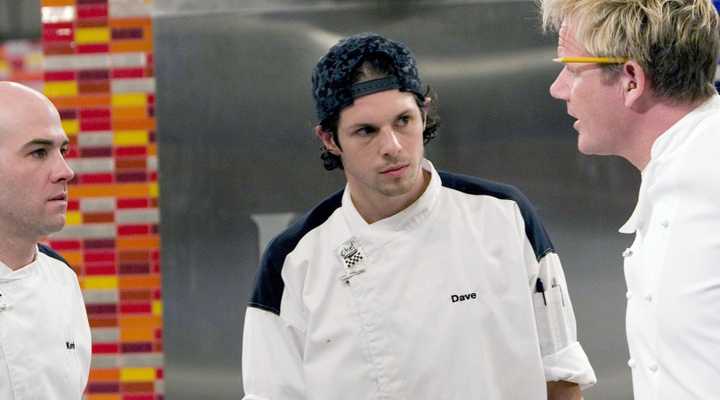
The win sparked a mix of excitement and surprise among fans and contestants. Many praised Michael’s steady performance, while some debated if others deserved the title more.
Your reaction might depend on what you value in a chef—technical skill, innovation, or leadership under pressure. What qualities do you think matter most when choosing a winner in a cooking competition?
Credit: screenrant.com
Post-show Success
The journey on Hell’s Kitchen doesn’t end at the finale. The winner’s real challenge begins after the cameras stop rolling. How they leverage their victory can define their entire culinary career and shape their place in the restaurant world.
Career Impact
Winning Hell’s Kitchen Season 1 opened doors that many chefs only dream of. The champion received not just a cash prize but also a high-profile head chef position at a renowned restaurant. This role provided invaluable hands-on experience managing a kitchen and leading a team under intense pressure.
Many winners, including Season 1’s, have used this momentum to build their own brands. Some started their own restaurants, while others ventured into consulting or cookbook writing. You might wonder, what would you do with such a platform? The key is turning exposure into sustainable success.
Subsequent Appearances
Post-win, the Season 1 champion didn’t just disappear from the spotlight. They made several guest appearances on Hell’s Kitchen and other cooking shows, sharing insights and mentoring new contestants. This kept their name relevant and helped maintain connections within the industry.
These appearances also offered a chance to showcase growth beyond the initial win. Staying visible can lead to opportunities like guest chef dinners, TV hosting gigs, and endorsements. How often do you think about maintaining your professional network after a big achievement?
Legacy In Hell’s Kitchen
The Season 1 winner set a standard for future contestants. Their performance and post-show career became a benchmark for success on the series. Contestants often cite them as an inspiration, proving that winning Hell’s Kitchen can be a real career springboard.
This legacy influences how producers and fans view the show’s potential impact. It reminds you that the outcome is more than just a title—it’s a stepping stone. What legacy do you want to leave in your field, and how will you build it?
Fan Theories And Speculations
The buzz around “Hell’s Kitchen” Season 1 was intense. Fans eagerly speculated about the winner. Many theories emerged, each with its loyal followers. These speculations added excitement to the show. Let’s dive into the intriguing fan theories.
Unexpected Outcomes
Fans often predicted surprising winners. Some believed a dark horse might win. This theory kept viewers on edge. Every episode seemed crucial. The unpredictability added thrill to the show. The element of surprise was always present.
Behind-the-scenes Insights
Behind-the-scenes stories fueled fan theories. Rumors about contestant alliances spread quickly. Insiders hinted at potential biases. Some fans believed in production influences. These insights made the competition appear more dramatic. The mystery of backstage dynamics intrigued many viewers.
What Could Have Changed
Speculations on alternate outcomes were common. Fans debated what small changes might have shifted results. Some pointed to specific challenges. Others questioned judging criteria. These discussions sparked lively debates. Viewers enjoyed analyzing what might have been.
Credit: hkroleplay.fandom.com
Frequently Asked Questions
Who Won Hell’s Kitchen Season 1?
Michael Wray won Hell’s Kitchen Season 1. He impressed Chef Ramsay with his cooking skills and leadership.
What Prize Did Season 1 Winner Receive?
Michael Wray earned a head chef position at a prestigious restaurant. This prize launched his culinary career successfully.
How Many Contestants Competed In Season 1?
There were 12 contestants competing in Hell’s Kitchen Season 1. Each faced intense cooking challenges and eliminations.
When Did Hell’s Kitchen Season 1 Air?
Season 1 of Hell’s Kitchen aired in 2005. It marked the beginning of the popular cooking competition series.
Conclusion
Season 1 of Hell’s Kitchen showed intense cooking battles. The winner earned respect and a great prize. Each chef faced tough challenges and pressure. The final choice surprised many fans. This season set the stage for future ones. Fans still talk about the drama and skills.
Watching the journey was exciting from start to end. Hell’s Kitchen remains a favorite cooking show today.


