


Are your old kitchen drawers sticking, squeaking, or just not sliding smoothly anymore? You’re not alone—and the good news is, you don’t have to replace the entire drawer to fix this common problem.
Installing new drawer slides can bring your drawers back to life, making them glide effortlessly every time you open and close them. In this guide, you’ll discover simple, step-by-step instructions to upgrade your old kitchen drawers quickly and easily. Whether you’re a beginner or just looking for some handy tips, by the end of this article, you’ll have the confidence to transform your kitchen drawers without spending a fortune or calling in a pro.
Ready to make your drawers work like new? Let’s dive in!
Choosing The Right Drawer Slides
Choosing the right drawer slides is key to upgrading old kitchen drawers. The right slides ensure smooth movement and long-lasting use. This choice depends on the drawer’s size, weight, and how you want it to open.
Types Of Drawer Slides
Drawer slides come in various styles. Each style suits different needs and drawer types.
- Side-Mount Slides:Installed on the sides of the drawer. They offer strong support and full extension.
- Undermount Slides:Mounted under the drawer. They hide from view and provide a clean look.
- Center-Mount Slides:Fixed under the drawer center. Best for lightweight drawers.
- Ball-Bearing Slides:Use ball bearings for smooth and quiet operation. Good for heavy drawers.
Measuring Your Drawers
Accurate measurements are vital for choosing the right slides. Measure the drawer’s length, width, and depth carefully.
- Measure the drawer box, not just the face.
- Note the thickness of the drawer sides.
- Check the space inside the cabinet for slide clearance.
Use these numbers to pick slides that fit perfectly. Slides too long or too short cause problems.
Materials And Durability
Drawer slide materials affect durability and performance. Choose materials that last and resist wear.
- Steel Slides:Strong and durable. Ideal for heavy kitchen drawers.
- Aluminum Slides:Lightweight but less strong. Suitable for lighter drawers.
- Plastic Slides:Less durable. Best for very light drawers or low use.
Look for corrosion-resistant finishes, especially in kitchens with high moisture.

Credit: www.diychatroom.com
Removing Old Drawer Slides
Removing old drawer slides is the first crucial step to giving your kitchen drawers a fresh, smooth glide. It can feel a bit tricky if your slides have been in place for years, but with the right approach, you can make this task straightforward and even satisfying. Let’s break down what you need and how to do it efficiently.
Tools You’ll Need
- Screwdriver:A Phillips head or flathead, depending on the screws used.
- Drill with screwdriver bits:Speeds up screw removal, especially if they’re tight.
- Pliers:Useful for pulling out any stubborn nails or clips.
- Putty knife or scraper:Helps to loosen any glued parts or stubborn slide pieces.
- Safety gloves:Protect your hands from sharp edges on metal slides.
Step-by-step Removal Process
Start by pulling the drawer completely out of the cabinet. If it feels stuck, wiggle it gently side to side to loosen it.
Locate the screws attaching the slides to both the drawer and cabinet sides. Sometimes, you’ll find a small lever or clip that needs pressing or lifting to release the drawer from the slide. Have you ever pulled a drawer and it just wouldn’t budge? That clip is often the culprit.
Use your screwdriver or drill to remove all screws carefully. Keep them in a small container—you might reuse them later or need them for reference.
After unscrewing, slide off the old drawer slides. If they resist, gently pry them with a putty knife or scraper. Take your time to avoid damaging the drawer or cabinet surfaces.
Preparing The Drawer And Cabinet
Once the old slides are off, inspect the drawer and cabinet sides for any damage or leftover debris. Old paint chips, glue residue, or dirt can interfere with the new slides’ installation.
Sand down rough spots or fill holes that won’t be reused. A smooth surface ensures the new slides fit snugly and work properly.
Have you noticed uneven wear inside your drawer frame? This is the perfect moment to address it. Fixing these issues now saves headaches later and keeps your drawers sliding like new.
Installing New Drawer Slides
Installing new drawer slides on old drawers can breathe new life into your kitchen storage. It improves functionality and gives your drawers a smooth glide that feels satisfying every time you open or close them. The key is careful measurement and precise attachment to ensure the slides work perfectly with your existing cabinets and drawers.
Marking Slide Positions
Start by measuring the height and depth of your drawer and cabinet sides. Use a pencil to mark where the slides will sit inside the cabinet and on the drawer. Make sure the marks are level and at the same height on both sides to avoid crooked movement.
Check the instructions that come with your slides for recommended positioning. Remember, a slight mistake here can cause your drawer to jam or not close properly. Double-checking your marks before drilling saves time and frustration.
Attaching Slides To Cabinet
Hold the cabinet-side slide firmly against the marks you made. Use a drill or screwdriver to attach it with screws, starting with the front screw to keep it steady. Then add the remaining screws, ensuring the slide is straight and secure.
Try sliding the cabinet part by hand before moving on. Does it feel loose or too tight? Adjust if necessary to prevent problems once the drawer is mounted. A snug but smooth fit is what you’re aiming for.
Mounting Slides On Drawer
Next, line up the drawer-side slides with the marks on the drawer edges. Attach them carefully with screws, making sure they are flush and aligned with the cabinet slides. Misalignment here can cause the drawer to stick or come off track.
Once both sides are attached, gently slide the drawer into the cabinet. Feel how it moves—does it glide smoothly or catch somewhere? If it doesn’t move well, remove the drawer and check your alignment and screws.
Have you ever skipped measuring carefully and ended up with a stuck drawer? Taking your time now prevents that annoying problem and gives you a kitchen drawer that functions like new.

Credit: www.familyhandyman.com
Adjusting And Testing Slides
Slide the drawer in and out to check smooth movement and alignment. Adjust screws slightly to fix any sticking or uneven gaps. Test multiple times to ensure the slides work properly and the drawer fits securely.
Adjusting and testing drawer slides on old drawers can transform your kitchen experience. Proper alignment ensures drawers glide smoothly, enhancing usability. Testing after installation is crucial for lasting performance.
Aligning Drawer And Slides
Ensure the drawer is level before aligning. Misalignment causes drawers to stick. Check the distance between the drawer and cabinet. Use a measuring tape for precision. Mark the spots for screw holes on both sides. Attach slides to the drawer using screws. Ensure the slides are straight and aligned.
Fixing Common Issues
Old drawers may have wear and tear. Check for any wood splits or damage. Repair these with wood glue or filler. Ensure the slides are not bent or rusty. Replace any damaged slides for smooth operation. Check the drawer’s weight capacity. Heavy items can strain the slides.
Smooth Operation Tips
Lubricate slides for smoother movement. Use a silicone-based lubricant. Avoid oil-based lubricants as they attract dust. Ensure the drawer is not overloaded. Balance the weight evenly inside the drawer. Test the drawer by opening and closing it several times. Adjust if necessary for optimal performance.
Maintaining Drawer Slides
Maintaining kitchen drawer slides is essential for smooth operation and durability. Proper care prevents sticking, squeaking, and damage over time. Simple maintenance keeps your drawers working like new and saves money on repairs.
Cleaning And Lubrication
Clean drawer slides regularly to remove dust and debris. Use a soft cloth or a small brush to clear dirt from the tracks. Avoid water as it can cause rust on metal slides.
Lubricate the slides to reduce friction and noise. Apply a small amount of silicone spray or a light oil. Wipe off any excess to prevent attracting more dirt.
Regular Inspection
Check drawer slides often for signs of wear or damage. Look for bent parts, loose screws, or broken components. Tighten any loose screws to keep slides secure.
Test drawer movement for smoothness. If you notice sticking or uneven sliding, address the problem quickly. Early repairs prevent bigger issues later.
Extending Slide Lifespan
- Do not overload drawers beyond their weight limit.
- Avoid slamming drawers to reduce stress on slides.
- Keep drawer contents organized to prevent uneven pressure.
- Replace worn or damaged slides promptly.
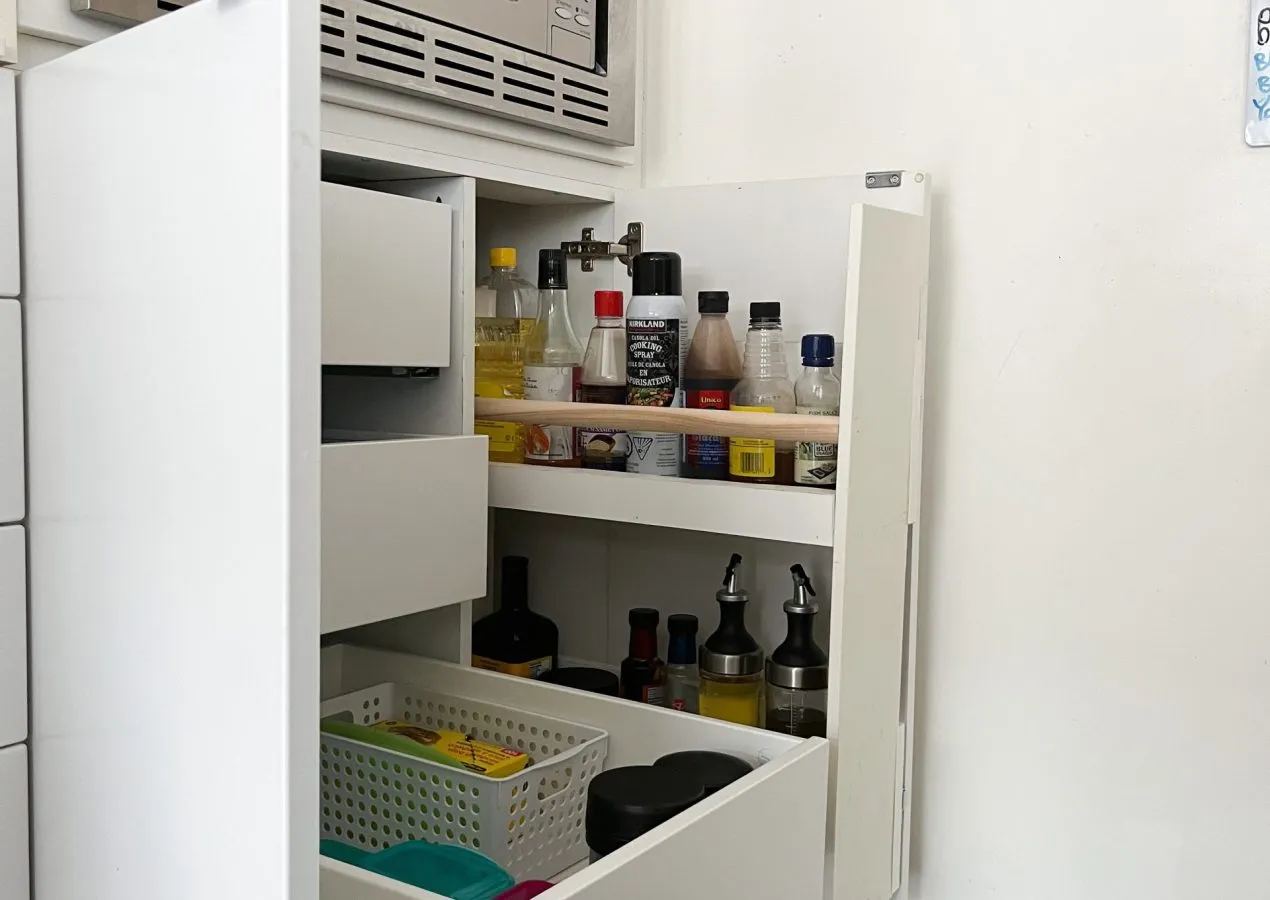
Simple habits protect your slides and extend their life. Regular care keeps your kitchen drawers functioning well for years.
Credit: hanashappyhome.com
Frequently Asked Questions
How Do I Measure Old Drawers For New Slides?
Measure the drawer’s width, depth, and height precisely. Check the space inside the cabinet where slides will fit. Accurate measurements ensure the slides match perfectly, avoiding installation issues and ensuring smooth drawer operation.
What Tools Are Needed To Install Drawer Slides?
You need a screwdriver, drill, tape measure, pencil, and level. These tools help with precise marking, drilling, and securing the slides properly. Using the right tools makes installation easier and more accurate.
Can I Install Drawer Slides Without Removing Drawers?
Yes, but it’s easier to remove drawers first. Removing allows better access for accurate slide placement and screw installation. It ensures a smoother and safer installation process.
Which Type Of Drawer Slides Suits Old Drawers Best?
Side-mount or under-mount slides work well for old drawers. Choose based on drawer weight and cabinet space. Side-mount slides are easier to install; under-mount slides offer better aesthetics.
Conclusion
Installing kitchen drawer slides on old drawers can greatly improve function. Take your time to measure and align parts carefully. Use the right tools to make the job easier. This upgrade helps your drawers open smoothly and last longer. Small efforts bring big changes to your kitchen’s usability.
Keep practicing and you will gain confidence. Enjoy the satisfaction of fixing things yourself. Your kitchen drawers deserve this simple improvement.


