


Your kitchen is the heart of your home, but it can also be a place where accidents happen quickly. Cuts, burns, and scrapes are common, and having the right first aid kit ready can make all the difference.
But what exactly should you have in your kitchen first aid kit to handle these emergencies with confidence? Keep reading to discover the essential items you need to stay prepared, protect yourself, and keep your loved ones safe. Don’t wait for an accident to find out you’re missing something important—your peace of mind starts here.
Basic First Aid Supplies
Basic first aid supplies are essential for every kitchen. They help treat small cuts, burns, and scrapes quickly. A well-stocked kit reduces risks of infection and speeds healing. Keep these items easy to reach and check them regularly for freshness.
Bandages And Dressings
Bandages protect wounds and stop bleeding. Include various sizes for different injuries. Adhesive bandages cover small cuts and scrapes. Sterile gauze pads help with larger wounds. Use non-stick dressings to avoid pain when changing them.
Antiseptic Solutions
Antiseptic solutions clean wounds and kill germs. Choose alcohol-free options to avoid skin irritation. Antiseptic wipes and sprays are handy for quick use. They prevent infections and speed up recovery. Store them in sealed packets to keep them sterile.
Adhesive Tapes And Gauze
Adhesive tapes hold dressings in place securely. Use hypoallergenic tape for sensitive skin. Medical gauze rolls cover wounds and absorb fluids. Keep different widths of tape and gauze for flexible use. These supplies help keep injuries clean and protected.

Credit: www.ishn.com
Burn Treatment Items
Burns in the kitchen are more common than you might think. Having the right burn treatment items in your first aid kit can make a big difference in how quickly you recover. These essentials help reduce pain, prevent infection, and promote healing effectively.
Burn Creams And Gels
Burn creams and gels are a must-have for soothing and protecting damaged skin. Look for products containing aloe vera or lidocaine, which calm pain and reduce inflammation. Applying these immediately after a burn can help minimize blistering and speed up healing.
Keep in mind that some creams have antibiotics to prevent infection. If you’re unsure which one to choose, a simple burn-specific gel often works well for minor burns.
Cold Packs
Cold packs provide instant relief by cooling the burn area, which helps reduce swelling and pain. Unlike running cold water, a cold pack stays in place and maintains a consistent temperature without risking further skin damage.
Remember to wrap the cold pack in a cloth before applying it to avoid frostbite. Using it for about 10-15 minutes can significantly ease discomfort and prevent the burn from worsening.
Non-stick Dressings
Non-stick dressings are critical for covering burns without sticking to the wound. This prevents reopening or damaging sensitive skin when you change the dressing. Choose sterile, breathable options that protect the burn from dirt and bacteria.
Changing dressings regularly keeps the burn clean and speeds recovery. Have a few different sizes ready, so you can cover small or larger burns comfortably and securely.
Tools For Minor Injuries
Minor injuries in the kitchen happen often. Having the right tools makes treatment quick and easy. These tools help you clean wounds, stop bleeding, and prevent infections. They keep small injuries from becoming big problems.
Tweezers And Scissors
Tweezers remove splinters, glass, and dirt from cuts fast. Choose tweezers with a pointed tip for better grip. Scissors trim bandages and tape cleanly. Keep scissors sharp and rust-free for safety.
Disposable Gloves
Disposable gloves protect you and others from germs. Use gloves when handling blood or cleaning wounds. They reduce infection risk and keep hands clean. Always change gloves between different tasks.
Thermometer
A thermometer checks if a minor burn causes a fever. Fever may mean infection or deeper injury. Digital thermometers give quick, clear readings. Keep one in the first aid kit for emergencies.
Emergency Medication
Essential emergency medication in a kitchen first aid kit includes pain relievers, antihistamines, and antiseptic creams. These help treat minor injuries and allergic reactions quickly. Keeping them handy ensures fast care during common kitchen accidents.
Having a well-stocked kitchen first aid kit is essential for handling minor injuries and medical emergencies. One crucial component is emergency medication. This ensures you’re prepared to address common ailments that might arise unexpectedly. Whether it’s a sudden headache, an allergic reaction, or an unforeseen rash, having the right medications at your fingertips can make a world of difference. Let’s explore the key elements of emergency medication in your kitchen first aid kit.
Pain Relievers
Pain can strike at any time, whether it’s from a minor cut or a headache. Keeping a variety of pain relievers in your kitchen first aid kit is a smart choice. Consider adding both acetaminophen and ibuprofen. These two options cover different types of pain and inflammation. Imagine a situation where you’ve accidentally burned your hand while cooking—having quick access to pain relief can be a game-changer.
Allergy Medication
Allergic reactions can occur with little warning, especially in a bustling kitchen environment where various foods and substances are present. Include allergy medications like antihistamines in your kit. Think about the last time you or someone else had an unexpected allergic reaction. Having a reliable solution on hand can prevent a minor incident from escalating into a serious problem. Antihistamines can help alleviate symptoms like itching, swelling, and sneezing.
Antihistamines
Antihistamines are versatile and can tackle more than just allergies. They can also help with motion sickness, nausea, and even insomnia. These are essential for those moments when you need quick relief from unexpected discomforts. Consider how often you might have wished for a simple solution to a persistent itch or a sudden bout of nausea. With the right antihistamine in your first aid kit, you’re prepared for these scenarios. Are you ready to enhance your kitchen first aid kit with these essential emergency medications? By doing so, you’re ensuring peace of mind and readiness for whatever might come your way.
Safety And Hygiene Essentials
Keeping your kitchen safe and hygienic is not just about preventing accidents but also about managing emergencies effectively. Having the right safety and hygiene essentials in your first aid kit can make a big difference when unexpected injuries occur. These items help you act quickly while maintaining cleanliness to avoid infections.
Hand Sanitizer
Hand sanitizer is a must-have in any kitchen first aid kit. It helps you clean your hands instantly when soap and water are not available. Using sanitizer before and after treating wounds reduces the risk of infection significantly.
Choose a sanitizer with at least 60% alcohol for effective germ killing. Keep a small bottle within easy reach, so you never have to worry about dirty hands during an emergency.
Cpr Face Shield
A CPR face shield is an essential tool if someone in your kitchen experiences cardiac arrest. It protects you while performing rescue breaths, reducing the risk of direct contact with bodily fluids. This safety barrier helps you provide lifesaving aid without hesitation.
Many people avoid giving CPR because they fear contamination. Having a face shield handy can boost your confidence to act fast and save a life.
Instruction Manual
Including a clear, easy-to-understand instruction manual in your kit is incredibly helpful. It guides you step-by-step through common kitchen emergencies like burns, cuts, or choking. Even if you’re not trained, having written instructions can help you stay calm and take the right action.
Look for manuals with pictures and simple language. This way, anyone in your household can quickly respond when an accident happens.

Credit: www.firstaidpro.com.au
Storage And Maintenance Tips
Keeping your kitchen first aid kit in top shape requires smart storage and regular upkeep. A well-organized kit not only saves time during emergencies but also ensures you never run out of essential supplies. Let’s look at how you can keep your first aid kit ready and easy to use.
Organizing The Kit
Arrange items by category—bandages, antiseptics, tools, and medications—so you can find what you need instantly. Use small clear containers or zip-lock bags inside the main box to separate these groups. Label each section clearly to avoid confusion when you’re in a hurry.
Think about the size of your kit, too. It should be compact enough to store easily but large enough to hold all your essentials without overcrowding. Have you noticed how much quicker it is to grab a bandage when it’s right at the top and not buried beneath other items?
Regular Checks And Replacements
Set a reminder every three to six months to check your kit. Look for expired medications, dried-out ointments, or used bandages that need replacing. Keeping track prevents you from discovering missing or unusable items when you need them most.
Keep a checklist inside the kit to mark what’s been used or needs restocking. This way, you avoid the stress of last-minute shopping during an emergency. Have you ever opened a first aid kit only to find crucial items missing? Regular checks stop that from happening.
Accessibility And Visibility
Store your first aid kit in a spot everyone in your household knows about and can reach easily. Avoid high shelves or locked cabinets that slow down access. Visibility is key—choose a bright container or place it in a well-lit area.
Consider placing the kit near where most kitchen accidents happen, such as close to the stove or prep area. Make it a habit to inform guests or new family members where it is. Could a simple change in storage location make a difference in your emergency response time?
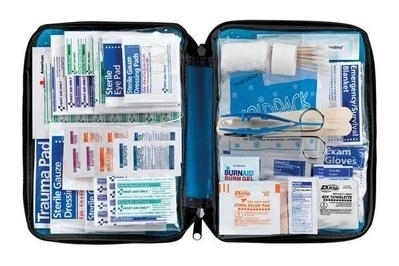
Credit: www.nytimes.com
Frequently Asked Questions
What Essential Items Belong In A Kitchen First Aid Kit?
A kitchen first aid kit should include bandages, antiseptic wipes, burn cream, adhesive tape, scissors, and sterile gauze. These items help treat cuts, burns, and minor injuries quickly, ensuring safety and prompt care in kitchen emergencies.
How Can A Kitchen First Aid Kit Prevent Serious Injuries?
A well-stocked kit allows immediate treatment of cuts, burns, and splinters. Quick care minimizes infection risks and reduces injury severity, making it easier to manage accidents before professional help arrives.
How Often Should You Check And Restock Your Kitchen First Aid Kit?
Check your kitchen first aid kit every three to six months. Replace used, expired, or damaged items promptly to maintain readiness and ensure all supplies are effective during emergencies.
Why Is A Burn Treatment Item Important In Kitchen First Aid Kits?
Burns are common kitchen injuries. Including burn cream or gel soothes pain, reduces swelling, and prevents infection. Proper burn treatment speeds healing and limits skin damage.
Conclusion
A kitchen first aid kit keeps you ready for small accidents. Include bandages, antiseptic wipes, and gloves for basic care. Add burn cream and scissors for common kitchen injuries. Keep everything organized and easy to find. Check your kit regularly to replace used or expired items.
Staying prepared helps you act fast and stay safe. A simple kit can protect your family every day. Don’t wait for an accident to be ready. Safety starts with the right supplies close by.


