


Are your kitchen drawers sticking, misaligned, or not closing smoothly? You’re not alone, and the good news is that fixing them is easier than you think.
Knowing how to adjust kitchen drawer glides can save you time, money, and frustration. In this guide, you’ll discover simple steps to make your drawers slide perfectly every time. Keep reading, and you’ll soon enjoy a kitchen that works just the way it should—smooth, quiet, and hassle-free.

Credit: vadania.com
Types Of Kitchen Drawer Glides
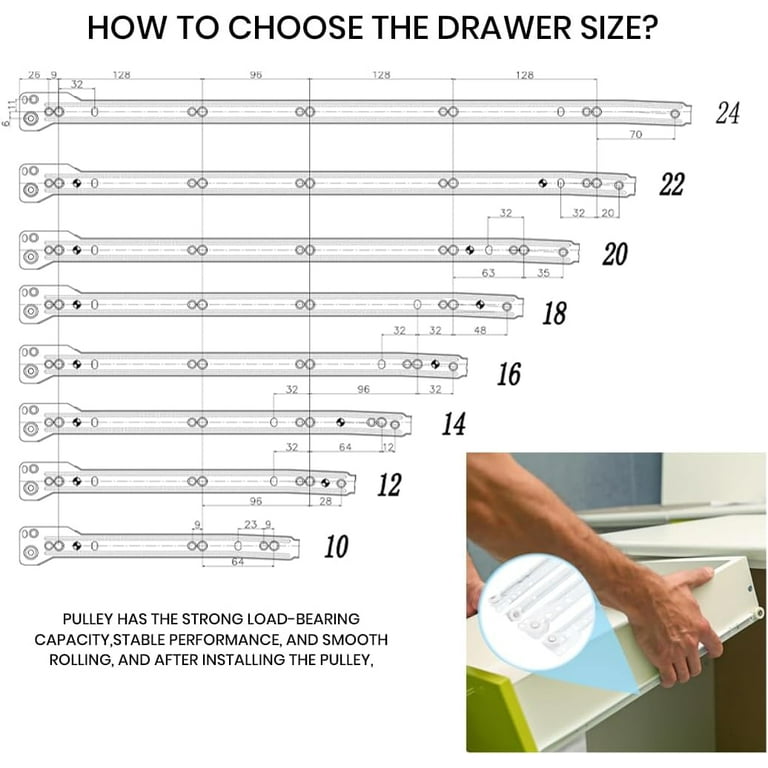
Kitchen drawer glides help your drawers open and close smoothly. Different types of glides offer unique features. Choosing the right glide can improve drawer function and lifespan.
Ball Bearing Glides
Ball bearing glides use small metal balls to move the drawer. They offer smooth and quiet operation. These glides support heavy loads well. They often have full extension for easy access to the drawer.
Roller Glides
Roller glides use plastic or metal rollers along a track. They are simple and cost-effective. Rollers work best for lighter drawers. These glides may not be as smooth as ball bearing types but are easy to install.
Undermount Glides
Undermount glides are hidden under the drawer. This design creates a clean look. They provide very smooth and quiet sliding. These glides often include soft-close features to prevent slamming.
Side Mount Glides
Side mount glides attach to the sides of the drawer and cabinet. They are strong and easy to adjust. These glides can support heavy kitchen drawers. Side mount glides are visible when drawers are open.
Credit: www.walmart.com
Signs Of Drawer Glide Issues
Drawer glides help your kitchen drawers open and close smoothly. Over time, they may wear out or get damaged. Recognizing early signs of drawer glide problems can save you time and effort. Watch for these common issues before the problem worsens.
Drawer Sticking Or Jamming
Drawers that stick or jam are a clear sign of glide trouble. The drawer may stop suddenly or require extra force to open. Dirt, debris, or bent glides often cause this issue. Ignoring sticking drawers can lead to further damage.
Uneven Drawer Movement
Uneven movement feels rough or shaky when you slide the drawer. One side may move slower or get stuck while the other moves freely. This uneven action points to misaligned or worn-out glides. Smooth, balanced movement is essential for proper function.
Drawer Misalignment
Misaligned drawers do not sit flush with the cabinet frame. They may appear crooked or tilt when opened. This problem often results from loose screws or bent glide tracks. Proper alignment keeps drawers stable and easy to use.
Noisy Operation
Unusual noises like squeaks, rattles, or grinding sound during drawer use. These sounds often indicate dry or damaged glide parts. Lubrication or glide replacement can reduce noise and improve performance. Quiet drawers make kitchen tasks more pleasant.
Tools Needed For Adjustment
Adjusting kitchen drawer glides requires a few basic tools. Having the right tools makes the job easier and faster. Each tool plays a specific role in ensuring your drawer slides smoothly and fits perfectly.
Screwdrivers
Screwdrivers are essential for loosening and tightening screws on the drawer glides. A Phillips head screwdriver works for most screws, while a flathead may be needed for some types. Using the correct screwdriver prevents damage to screws and helps achieve a secure fit.
Level
A level helps check if the drawer glides are perfectly horizontal. Proper alignment ensures the drawer opens and closes smoothly without sticking. Small adjustments guided by a level improve the overall function of the drawer.
Measuring Tape
Measuring tape is useful for checking the length and placement of the drawer glides. Accurate measurements prevent misalignment and ensure the glides fit well inside the cabinet. Measure twice to avoid errors before making any adjustments.
Lubricant
Lubricant reduces friction between the moving parts of the drawer glides. It helps the drawer slide effortlessly and quietly. Apply a small amount to the glide tracks for better performance and longer life.

Credit: www.reddit.com
Preparing The Drawer For Adjustment
Preparing the Drawer for Adjustment Clear out the kitchen drawer before adjusting the glides. Ensure the drawer is empty for smooth adjustments.
Preparing the drawer for adjustment is the first crucial step. Proper preparation ensures an easy and effective adjustment process. Follow these simple steps to get your kitchen drawer ready.
Empty The Drawer
Clear out all items from the drawer. This makes it easier to handle and prevents damage. Check for any small items hiding in corners. A clean slate is essential for a smooth adjustment.
Remove The Drawer
Carefully pull the drawer out from its slot. Use both hands to ensure balance and avoid dropping. If the drawer has a locking mechanism, release it. Place the drawer on a flat surface to inspect it better.
Inspect The Glides
Examine the glides for any visible damage. Check for any loose screws or parts. Ensure the glides are aligned and free of debris. A thorough inspection can highlight potential issues.
Adjusting Side Mount Glides
Adjusting side mount glides can make a big difference in how smoothly your kitchen drawers open and close. These glides are installed on the sides of the drawer and cabinet, so slight misalignment can cause sticking or uneven movement. By tweaking the positioning, you can restore ease and improve the overall functionality of your kitchen storage.
Loosening Mounting Screws
Start by opening the drawer fully and locating the mounting screws on the side glides. These screws hold the glide firmly in place but need to be loosened slightly to allow for adjustment. Use a screwdriver to turn them just enough so the glide can move without falling off.
Don’t remove the screws completely; a slight loosen allows you to shift the glide position. This step is crucial because tight screws lock the glide, making alignment impossible.
Aligning The Drawer
With the screws loosened, gently push or pull the drawer to align it evenly within the cabinet frame. Pay close attention to how the drawer sits—check if it’s tilted or rubbing against the cabinet sides.
Try sliding the drawer in and out to feel for smoothness. Adjust the glide until the drawer operates without resistance or gaps on either side. Have you noticed your drawer catching on something? This is usually a sign it’s out of alignment.
Tightening Screws
Once the drawer sits perfectly aligned, tighten the mounting screws to secure the glide in its new position. Make sure the screws are snug but avoid over-tightening, which can strip the holes or warp the glide.
Test the drawer again after tightening to confirm it moves smoothly. If it still sticks, you might need to repeat the adjustment steps. The right balance in screw tightness ensures long-lasting, smooth drawer operation.
Adjusting Undermount Glides
Adjusting undermount glides helps your kitchen drawers slide smoothly and close properly. These glides are hidden under the drawer, offering a clean look. Small tweaks can fix alignment problems and improve drawer function.
Accessing The Glide Mechanism
Open the drawer fully to see the undermount glide parts. Look underneath the drawer sides. You may need to remove the drawer from the cabinet to reach the glides easily. Use a screwdriver to release the drawer if needed. The glide mechanism sits under the drawer, attached to both the drawer and cabinet.
Using Adjustment Screws
Locate the adjustment screws on the glide mechanism. These screws control the drawer’s position and movement. Turn screws gently with a screwdriver. Clockwise usually tightens or raises the drawer. Counterclockwise loosens or lowers it. Adjust one side at a time for balanced alignment. Small turns make a big difference. Avoid forcing screws to prevent damage.
Testing The Movement
Slide the drawer in and out to check its movement. Notice any sticking, wobbling, or uneven gaps. Close the drawer and see if it fits flush with the cabinet. Make further screw adjustments as needed. Test multiple times after each change. Smooth, quiet operation means the glide is adjusted correctly. Repeat the process for other drawers if necessary.
Lubricating Drawer Glides
Lubricating your kitchen drawer glides is a simple task that can dramatically improve the smoothness of your drawers. Over time, dust, dirt, and wear can cause the glides to stick or squeak. Adding the right lubricant not only restores ease but also extends the life of the hardware.
Choosing The Right Lubricant
Picking the correct lubricant is key to getting lasting results. Avoid heavy oils that attract dust, as they can make the problem worse over time.
- Silicone sprayworks well for most metal and plastic drawer glides because it repels dirt and dries quickly.
- White lithium greaseis thicker and provides long-lasting lubrication, especially for heavier drawers.
- Graphite powderis excellent for wooden drawer slides but can be messy, so use it carefully.
Have you ever tried WD-40? While it can loosen stuck parts, it’s not ideal as a lubricant because it evaporates fast and leaves little protection behind.
Application Tips
Applying lubricant correctly ensures the best performance and prevents damage. Start by fully extending the drawer to expose the glides.
- Clean the glide tracks with a dry cloth or a soft brush to remove dirt and old lubricant.
- Spray or apply a thin layer of lubricant along the entire length of the glide.
- Move the drawer back and forth several times to spread the lubricant evenly.
- Wipe away any excess to prevent buildup and avoid attracting dust.
Doing this regularly can save you from stubborn drawer issues later on. How often do you check your drawer glides for smoothness?
Avoiding Common Mistakes
Even small errors can reduce the effectiveness of lubrication or damage your drawers. Don’t rush the cleaning step; lubricating over dirt traps grit and causes wear.
- Avoid using too much lubricant—excess can drip inside the cabinet and create a mess.
- Do not use oil-based lubricants on plastic glides, as they can cause the material to swell or degrade.
- Never skip testing the lubricant on a small section first to ensure compatibility.
Have you noticed your drawer getting stickier after lubrication? It’s usually a sign of buildup or the wrong product. Taking your time here saves headaches and keeps your kitchen running smoothly.
Troubleshooting Common Problems
Troubleshooting common problems with kitchen drawer glides saves time and frustration. Many issues arise from simple misalignments or worn parts. Identifying the exact problem helps fix it quickly. Below are solutions to frequent drawer glide problems that affect kitchen drawers.
Drawer Not Closing Fully
A drawer that won’t close fully usually faces an obstruction or misalignment. Dirt, debris, or small objects inside the glide track can block the drawer’s movement. Clean the tracks thoroughly with a dry cloth or vacuum.
Check if the glide screws are loose. Tighten any loose screws to secure the glide. Also, ensure the drawer is properly seated on the glides. Sometimes, the drawer slides out of alignment, causing it to stick.
Drawer Falling Off Tracks
Drawers falling off their tracks happen when the glide mechanisms are damaged or not installed correctly. Inspect the glide for any broken or bent parts. Replace damaged glides immediately.
Verify that the drawer is inserted straight onto the tracks. For ball-bearing glides, make sure the locking clips are engaged properly. Adjust the glide brackets if needed to keep the drawer stable.
Persistent Noise Issues
Noisy drawers often result from dry or worn glide components. Apply a silicone-based lubricant to the tracks to reduce friction and noise. Avoid using oil-based lubricants as they attract dust and grime.
Check for loose screws or parts that rattle during drawer movement. Tighten all hardware securely. Replace any worn rollers or bearings to restore smooth and quiet operation.
Frequently Asked Questions
How Do I Fix Misaligned Kitchen Drawer Glides?
To fix misaligned glides, loosen screws first. Adjust the glide position until the drawer slides smoothly. Then, retighten the screws securely to hold the new alignment.
What Tools Are Needed To Adjust Drawer Glides?
You typically need a screwdriver, a measuring tape, and possibly a drill. These tools help loosen screws, measure alignment, and secure the glides properly.
How Often Should Kitchen Drawer Glides Be Adjusted?
Adjust drawer glides when drawers become hard to open or close. Regular checks every 6-12 months help maintain smooth operation and prevent damage.
Can I Replace Drawer Glides Myself?
Yes, most kitchen drawer glides can be replaced by homeowners. Follow instructions carefully, use proper tools, and ensure the new glides match drawer size.
Conclusion
Adjusting kitchen drawer glides can improve drawer function and lifespan. Small tweaks make a big difference in smooth sliding. Take your time to align and secure parts properly. Test the drawer after each change to ensure it works well. Regular checks help avoid bigger problems later on.
With these simple steps, your drawers will open and close easily again. Keep tools handy and follow the guide step by step. Easy adjustments save money and keep your kitchen neat. A little effort brings lasting results.


